
Is Container House Soundproof?
The soundproofing effect of container houses varies depending on the product type and quality. Some products have poor soundproofing, but significant improvements can be achieved through process optimization and material upgrades.
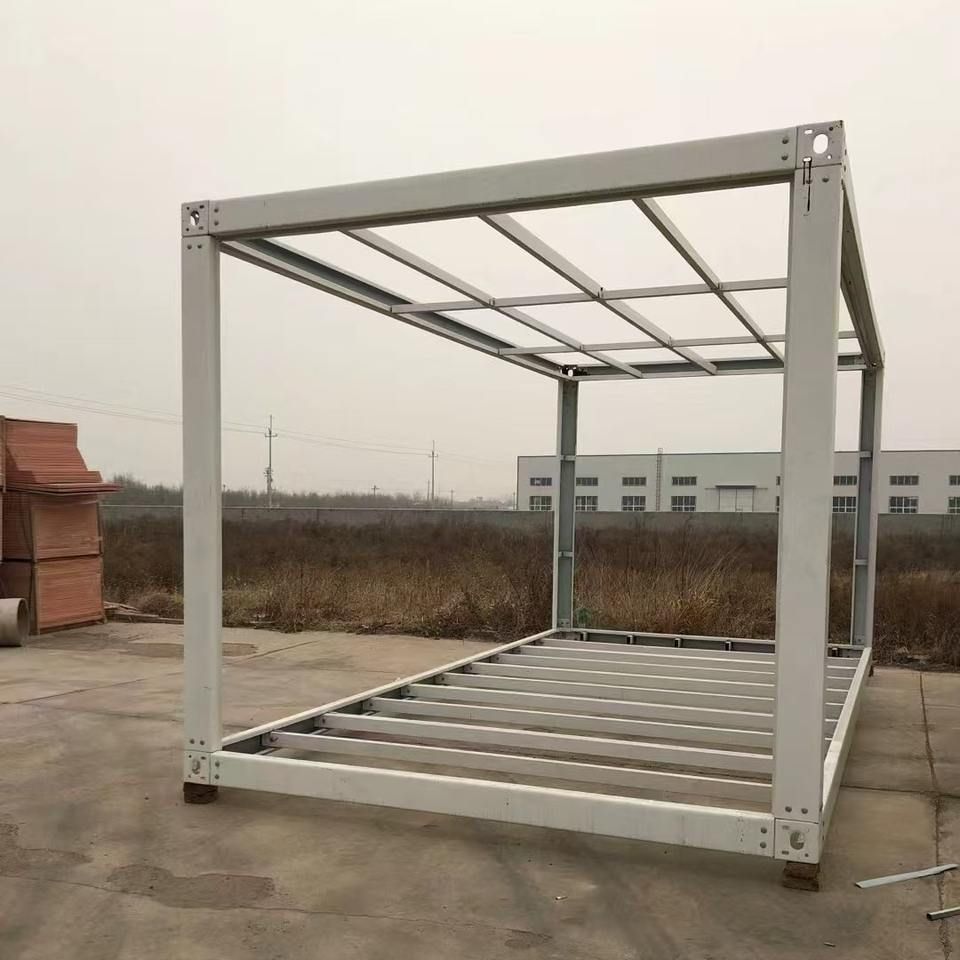
Ordinary container houses have limited soundproofing Traditional containers are primarily made of metal sheets, which have high material density and lack soundproofing layers, resulting in poor soundproofing performance. For example, the container dormitories at the Nagoya Asian Games required athletes to wear earplugs to sleep due to poor soundproofing; ordinary iron-sheet containers in cultural and tourism projects also have issues with external noise easily entering the interior. Additionally, some non-standard off-brand products use thin steel frames to cut costs, further weakening soundproofing.
Process optimization can significantly improve soundproofing performance Reputable manufacturers can effectively solve soundproofing issues by improving production processes and material selection. For example:
- Adding soundproofing layers: High-quality space capsules incorporate soundproofing, shock-absorbing, and sealing layers in walls and ceilings to block external noise, meeting the needs of homestays, shops, and other scenarios.
- Optimizing structural design: Using thermal break insulation technology and double-glazed windows and doors reduces sound transmission. For instance, Zeyu container houses use eco-friendly, flame-retardant soundproofing materials to elevate living comfort to a level close to that of brick-and-mortar houses.
- Upgrading sealing processes: Door frames, window frames, and wall panel joints are equipped with triple-layer sealing strips and weather-resistant sealants to prevent sound from seeping through gaps.
Choosing a reputable manufacturer is crucial The quality of container houses on the market varies greatly, and the following criteria should be used for selection:
- Soundproofing measured parameters: The difference between indoor and outdoor noise levels should be no less than 35 decibels to ensure normal conversation is not disturbed.
- Material standards: The main frame's structural steel should be no less than 2.0mm thick, wall panels should be no less than 50mm thick, and the spacing between bottom load-bearing joists should not exceed 400mm.
- Sealing processes: All joint gaps must be sealed to prevent sound leakage.
Summary To ensure good soundproofing performance in container houses, it is advisable to prioritize products from reputable manufacturers and pay attention to their soundproofing materials, structural design, and sealing processes. Through process optimization and material upgrades, container houses can meet the soundproofing needs of daily living and commercial operations.



