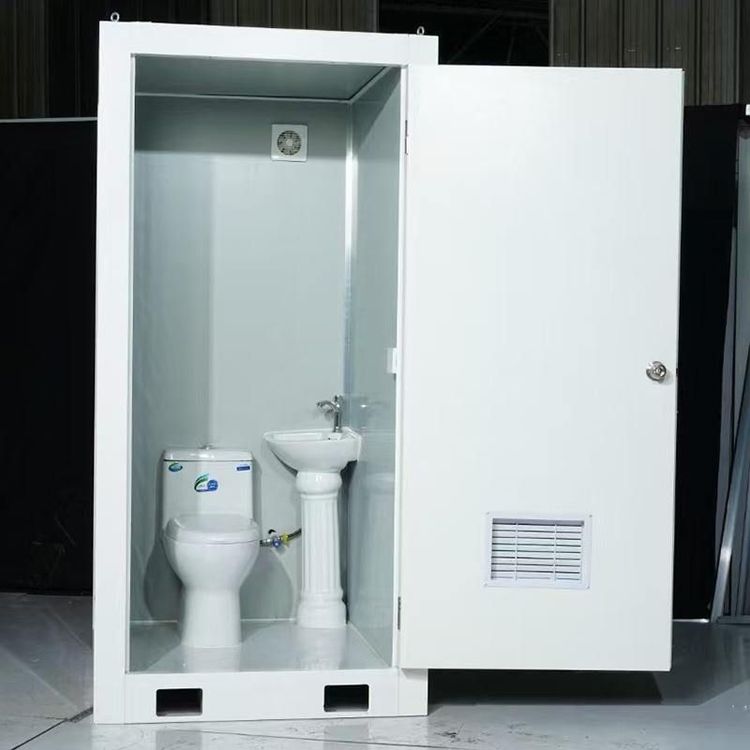
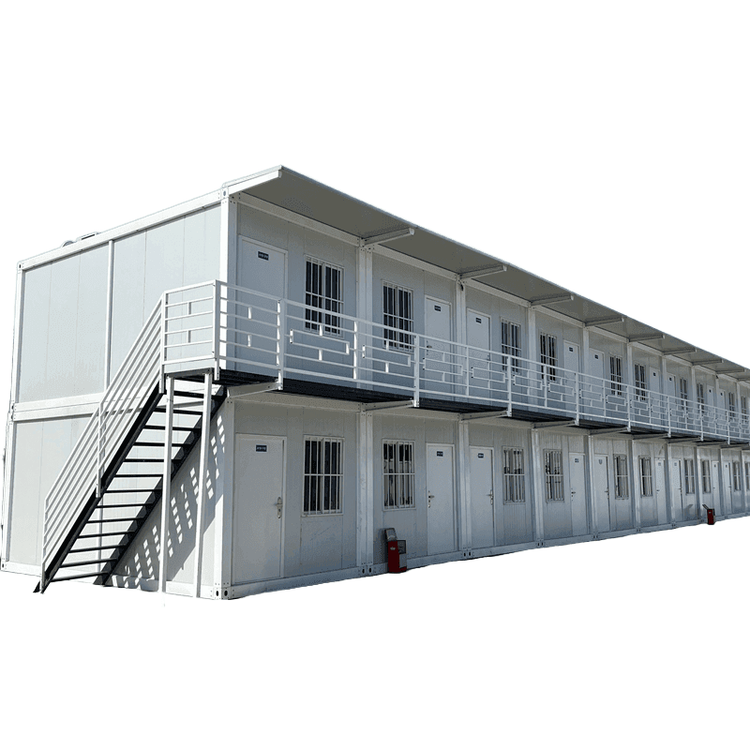
Is Container House Safe to Use?
Container houses that comply with regulations and have undergone professional renovation are safe to use, but those that have been illegally renovated or use inferior materials pose multiple safety hazards. Here is a detailed analysis:
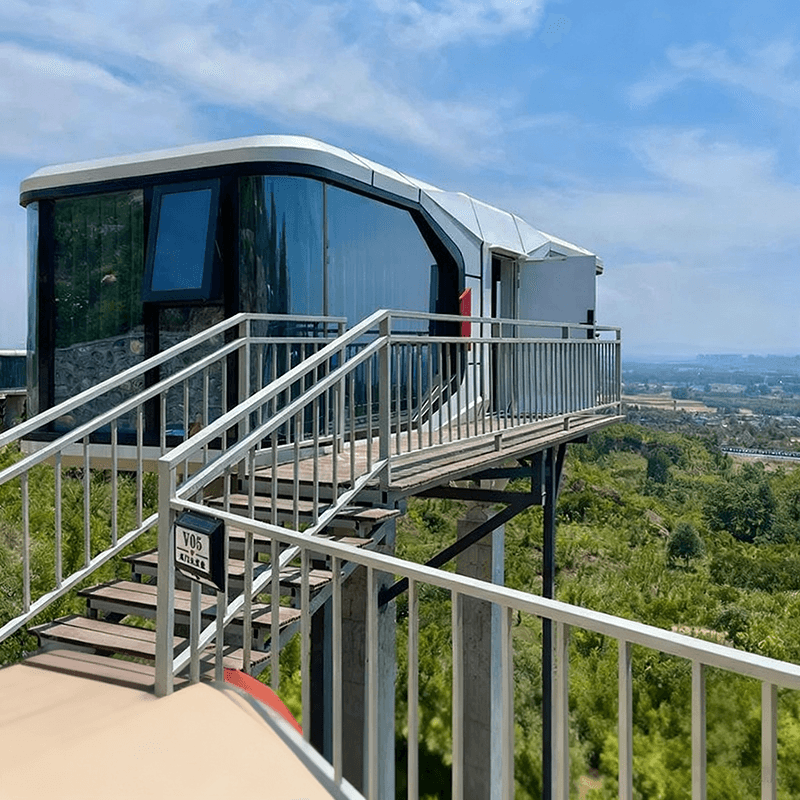
I. Safety of Compliant Container Houses
Structural Stability
Container houses produced by professional manufacturers use high-strength steel frames, such as all-steel structural frames, which have been tested to withstand typhoons of up to force 12 and earthquakes of up to magnitude 8. The frame deformation rate is far below the industry safety threshold. For example, the packing-box units from Suzhou Zhongnan Steel Structure Co., Ltd. have a frame deformation rate of only 0.18% under extreme conditions, meeting the requirements of building seismic design codes.Fire Resistance
Compliant products use materials with a fire rating of B1 or higher, such as rock wool board cores, which effectively delay the spread of fire. Some products are also equipped with emergency evacuation facilities and insulating materials to reduce fire risks.Installation and Layout
The modular design supports rapid installation and flexible adjustments, reducing on-site construction risks. For example, the quick-assembly units from Suzhou Zhongnan can be installed in just 2 hours per set, and the interior decoration is pre-installed before leaving the factory, avoiding potential hazards from secondary renovation.
II. Safety Hazards of Non-compliant Container Houses
Inferior Materials
Illegally renovated containers often use flammable sandwich panels (such as polyurethane and polystyrene), which do not meet fire resistance standards. Once a fire breaks out, toxic smoke is generated, making escape difficult. For example, the fire at a senior living facility in Pingdingshan, Henan, in 2015 was caused by flammable materials.Electrical Hazards
Issues such as unauthorized wiring, mixing of high-power appliances, and the use of bottled gas indoors are prominent, easily leading to electric shocks or fires. For example, a fire in a container house in Langfang was caused by electrical wiring faults that ignited weeds.Structural Risks
Non-standard products use thin steel frames with a wind resistance rating of only 6-7, far below the national standard requirement of 8 or higher. In coastal or strong wind areas, frame deformation and wall cracking are prone to occur, resulting in high rework costs.
III. Usage Recommendations
Choose Compliant Manufacturers
Prioritize purchasing products that have passed fire, wind, and earthquake resistance certifications, such as standardized container houses from leading enterprises, and avoid using unqualified white-label products.Regular Maintenance and Inspections
Regularly inspect the electrical wiring, structural frames, and fire-resistant materials of container houses, and promptly replace aging components.Comply with Usage Regulations
Do not unauthorizedly renovate the house structure, do not occupy fire exits, and ensure that the safe evacuation space meets regulatory requirements.