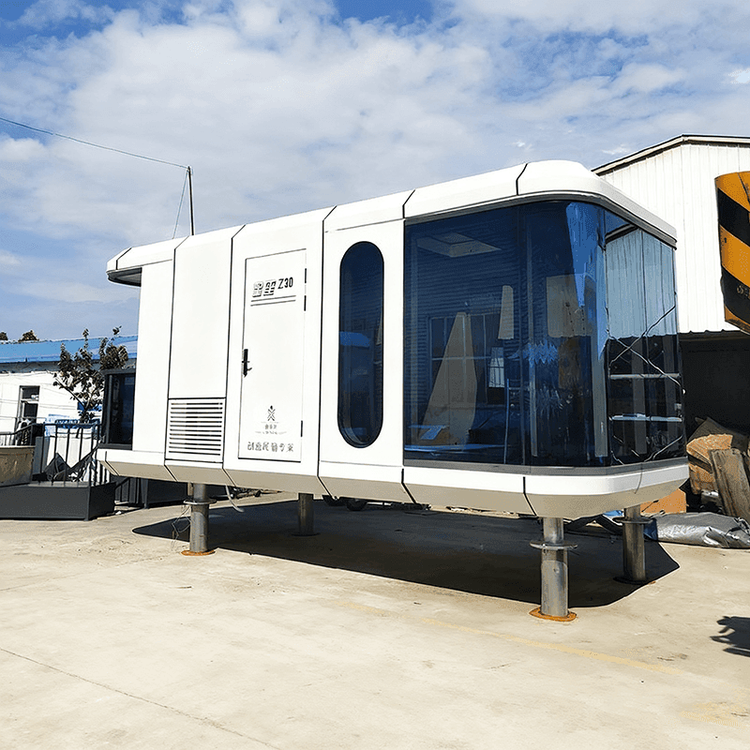
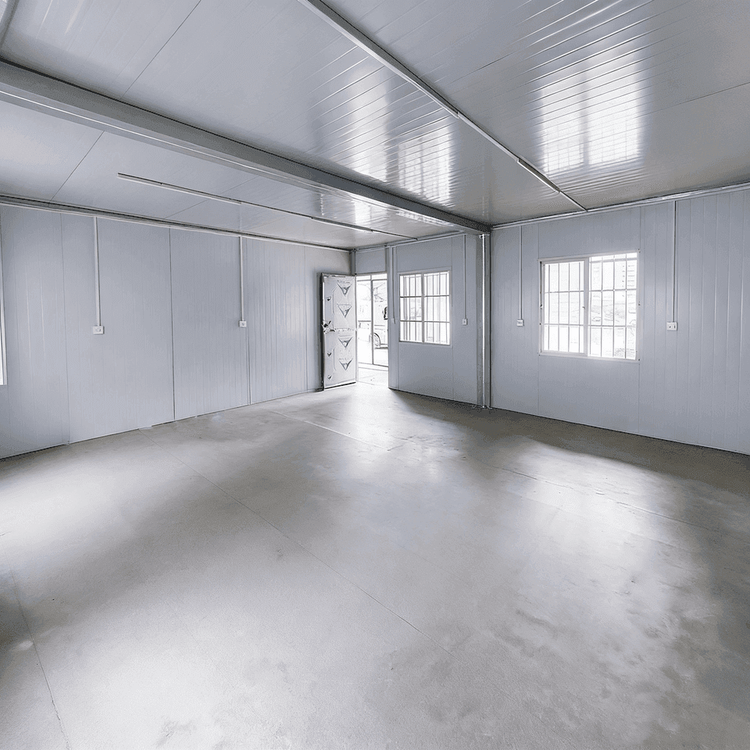
Is a Container House Considered Illegal Construction?
Whether a container house is considered illegal construction depends on the situation; those without approval or with altered purposes are generally considered illegal. Specific determination requires considering the following factors:

1. Core Determination Basis: Obtaining Planning Permission
According to the Urban and Rural Planning Law, any construction activity must obtain a construction project planning permit. If a container house has not applied for or been approved for this permit, it may still be considered illegal construction even if it is not permanently installed. For example, a restaurant in Jinshan District placed a container behind its premises as staff quarters and was identified as illegal construction due to lack of permits; an owner in Dongguan placed a container on the second-floor balcony, which, although not fixed, was deemed illegal construction due to lack of planning permission and its residential function, resulting in an order for removal.
2. Purpose and Degree of Modification: Affecting the Nature of Illegal Construction
- Temporary Storage Use: If the container is only used for storing agricultural supplies or tools, and has no access to water and electricity, no hardened ground, and does not alter the land use, it is generally not considered illegal construction. For example, a container used for storing farming tools in a field, if it does not damage the arable layer and has no permanent foundation construction, can be regarded as a temporary warehouse.
- Residential or Business Use: If the container has access to water and electricity, has windows and doors installed, and has air conditioning, or is used for business activities (such as homestays or offices), it is considered a "substantial change in land use" and is illegal construction. For example, a basketball court in Shimen Er Road converted a container into office space and was legally demolished due to lack of approval.
3. Placement Location: Differences Between Public Spaces and Private Areas
- Public Areas: If containers are stacked on public land (such as vacant lots or rooftops) without approval, it constitutes illegal occupation of public space and requires mandatory removal. For example, Huli Urban Management found a container house on a vacant lot during an inspection and ordered rectification within a time limit due to its connection to water and electricity facilities and potential safety hazards.
- Private Areas: If a container is placed on private land (such as in one's own yard), but lacks planning permission or alters land use, it may still be considered illegal construction. For example, a villager in Miaozhen, Chongming District placed a container on their own land and was required to move it due to lack of approval and potential safety hazards.
4. Regional Policy Differences: Subject to Local Regulations
Different regions have varying levels of control over container houses. For example, Shanghai and Shenzhen encourage the use of container buildings in cultural tourism and commercial sectors, while some agricultural provinces (such as a new regulation in a certain province in 2025) require temporary building registration for container houses in fields. It is advisable to consult local planning and urban management departments before placement to clarify the usage period and purpose.