
How Much of Container Houses Are Illegal Constructions
Container houses without approval or not in compliance with regulations are considered illegal constructions. Determining whether a container house is an illegal construction requires a comprehensive consideration of factors such as its purpose, degree of modification, placement location, and whether relevant approval procedures have been obtained. Details are as follows:
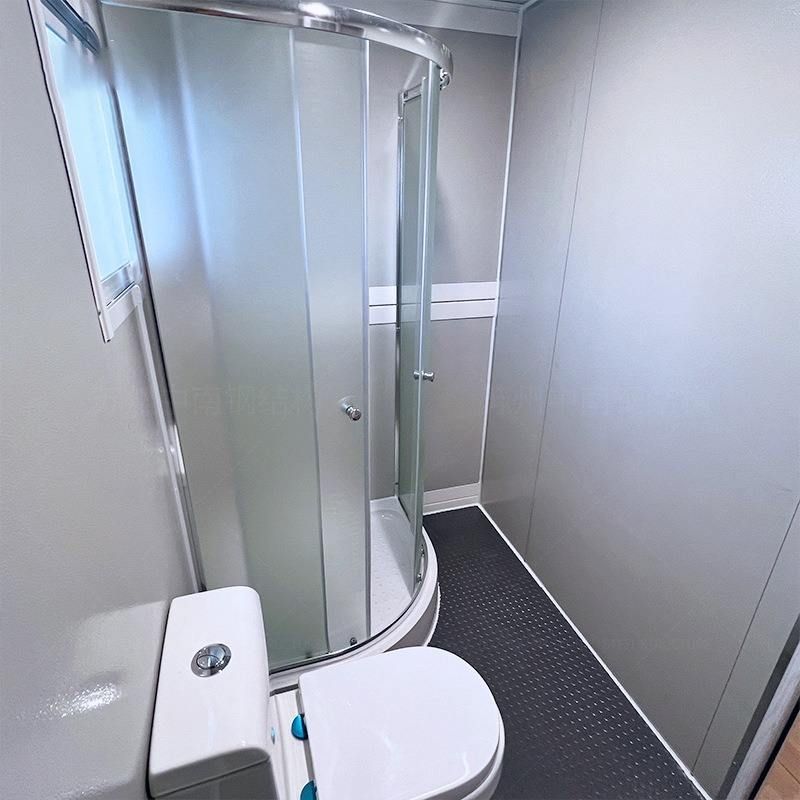
I. Core Criteria for Determining Illegal Constructions
According to the Urban and Rural Planning Law of the People's Republic of China, buildings that have not obtained a construction project planning permit or have not been constructed in accordance with the permitted content are all considered illegal constructions. Although container houses are movable, if they are modified to have fixed functions such as living or office use (e.g., connected to water and electricity, installed with doors and windows, and laid with foundations) and have not obtained planning permission, they may be identified as illegal constructions. For example, a 250-square-meter container house investigated and dealt with by Shimen Erlu Street was clearly identified as an illegal construction due to its unauthorized house-like modification and connection to water and electricity.
II. Impact of Purpose and Degree of Modification
- Temporary storage purpose: If a container is only used for temporarily storing agricultural materials and tools, without damaging the plow layer, hardening the ground, connecting to water and electricity, or carrying out permanent foundation construction, it is generally not considered an illegal construction. For example, a container placed in a field and used only as a guardhouse, meeting the above conditions, may not be identified as an illegal construction.
- Living or business purpose: If a container is modified into a living or business place (e.g., installed with air conditioners, bathroom facilities, and partitioned rooms) and has not obtained planning permission, it is an illegal construction. For example, if a container placed behind a restaurant is used for employee accommodation and no relevant procedures have been completed, the urban management department can order its removal.
III. Placement Location and Land Nature
- Public areas: If a container is placed in public areas (e.g., public land in residential communities, on both sides of roads) and has not obtained a land use certificate and a planning permit, it is an illegal construction. For example, if a container warehouse built in a residential community has not gone through the approval procedures, the urban management department can remove it in accordance with the law.
- Private sites: Placing a container on a private site (e.g., one's own yard or farmland), without hardening the ground, connecting to water and electricity, changing the land nature, and without affecting the rights and interests of others, is generally not considered an illegal construction. However, if it undergoes house-like modification or is used for long-term residence, it may be identified as an illegal construction.
IV. Differences in Local Policies
Some localities may regard containers as temporary buildings and allow free erection and removal; while others may regard them as illegal buildings and strictly prohibit them. For example, the Dongguan Municipal Intermediate People's Court has clearly stated that if a container constitutes a relatively fixed place for people to live or carry out activities and has not obtained a construction project planning permit, it is an illegal construction.



