
Is a Container House Cost-Effective?
Whether a container house is cost-effective requires a comprehensive assessment based on usage scenarios, cost investment, and maintenance needs. Overall, it offers high cost-performance but requires attention to specific conditions. The following analysis covers aspects such as cost, flexibility, durability, and environmental friendliness:
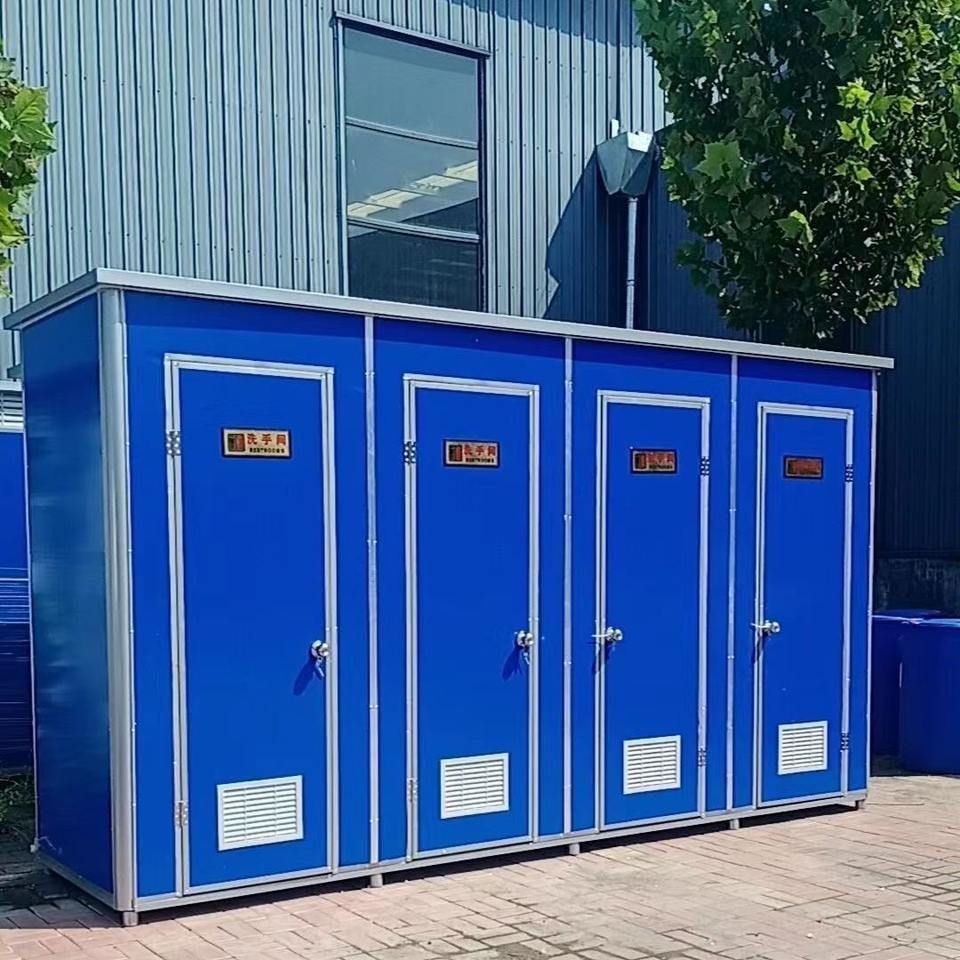
Low Initial Cost Investment, Significant Long-Term Advantages
The initial purchase cost of a container house is significantly lower than that of a traditional brick-and-mortar house. For example, a standard-sized container house measuring 6 meters in length, 3 meters in width, and 2.8 meters in height costs approximately 11,000 yuan. When calculated per square meter, the cost does not exceed 1,000 yuan; even for customized high-end container villas, the cost per square meter remains below 1,000 yuan. If opting for rental, the daily rent for a standard 6-meter-long container house is only 6 yuan, with a minimum rental period of 4 months, suitable for short-term needs. For long-term usage scenarios (such as construction site dormitories or small and micro-enterprise offices), the purchase cost may be recovered within a few years through savings on rent, highlighting its economic advantages.
Flexibility and Portability Reduce Hidden Costs
Container houses feature a modular design, eliminating the need for complex civil engineering work. They can be relocated as a whole without generating construction waste. For instance, after the completion of a construction project, container houses can be directly transported to a new site for reuse, avoiding material waste and transportation costs associated with the demolition of traditional temporary buildings. This 'portable' characteristic provides significant cost advantages in scenarios requiring frequent relocation (such as construction sites and mobile shops).
Durability and Maintenance Needs Affect Long-Term Benefits
The lifespan of a container house depends on the quality of materials and the usage environment. A container house with a high-quality steel structure can last 20 to 30 years with regular maintenance (such as painting for rust prevention and checking interface sealing). However, its lifespan may be shortened if installed in a humid environment. Long-term use requires maintenance costs, but compared to traditional buildings, the frequency and cost of maintenance remain relatively low.
Environmental Friendliness and Resource Utilization Enhance Overall Value
The production process of container houses is low-carbon and environmentally friendly, with materials that can be recycled and reused. Additionally, on-site construction generates 'zero pollution'. Compared to traditional buildings, material waste is reduced by 60% to 70%, meeting sustainable development needs. For projects emphasizing environmental protection or requiring rapid construction (such as post-disaster temporary housing and emergency office spaces), the ecological advantages of container houses can translate into long-term social benefits.



