
Is the Container House Business Profitable?
The container house business has the potential to be profitable, but success depends on various factors such as market positioning, cost control, technological innovation, and compliant operations. The following analysis is conducted from three aspects: market potential, entrepreneurial opportunities, challenges, and strategies.
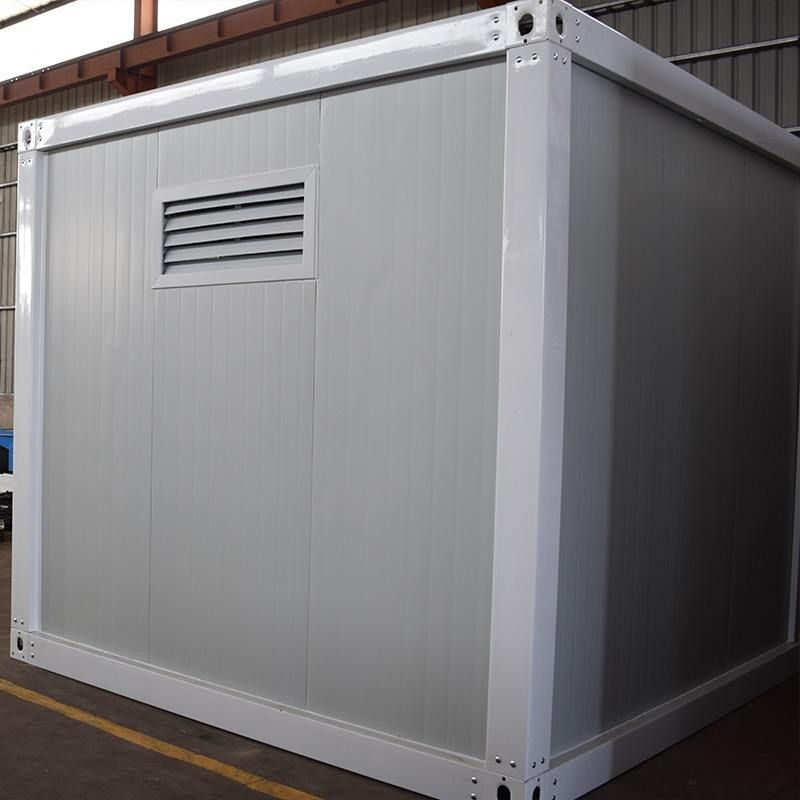
I. Market Potential and Prospects
Due to their eco-friendliness, cost-effectiveness, and flexibility, container houses have seen a continuous increase in market demand. The global market size is expected to grow from 293.36 billion yuan in 2022 to 384.912 billion yuan in 2028, with a compound annual growth rate of 5%. The domestic market is growing even faster, with wide applications in tourism and vacation, temporary accommodation, post-disaster reconstruction, construction site dormitories, and commercial shops. For example, some companies in Chongqing earn millions of yuan annually by renting out container houses, and there are also 15-20 leasing companies in Nanchang, indicating market vitality.
II. Entrepreneurial Opportunities
- Cost Advantage: Container houses use second-hand containers as raw materials, resulting in lower costs compared to traditional buildings. Additionally, factory prefabrication reduces construction waste, with material waste reduced by 60%-70%, further compressing costs.
- Diversified Demand: In addition to residential use, container houses can also be transformed into cafes, offices, homestays, etc., meeting personalized needs. For example, an entrepreneur opened a cafe using a container, investing less than 100,000 yuan and recouping the investment in three months.
- Policy Support: The popularization of environmental protection concepts promotes the development of new eco-friendly containers, and some regions offer subsidies or tax incentives for green buildings.
III. Challenges and Countermeasures
- Technical Threshold: Design and manufacturing require technical support in steel structures, rust prevention, and fire protection, so entrepreneurs need to collaborate with professional teams or manufacturers.
- Market Competition: The industry is mixed with varying product qualities. It is necessary to establish a competitive edge by improving product quality (such as sound insulation and thermal insulation layers, independent bathrooms) and service levels (such as customized design and fast delivery).
- Compliance Risks: Some regions have strict restrictions on the use and placement of container houses, so it is necessary to understand policies in advance to avoid illegal occupation of roads or approval difficulties.
- Profit Models: In addition to sales, leasing, residual value recovery, and value-added services (such as maintenance and modification) can expand income sources. For example, a company in Chongqing achieves an annual net profit of millions of yuan through a combination of "rent + residual value + services".
Conclusion: Attracted by low barriers to entry and high returns, the container house business has profit potential, but it requires precise positioning in niche markets (such as construction site dormitories and trendy shops), strengthening technological cooperation and brand building, and strictly complying with regulations to stand out in the blue ocean market.



