
Is a Container a Modular House?
Containers can serve as modular houses, with various combination forms and application scenarios. The following elaborates on this from three aspects: combination methods, application scenarios, and technical characteristics.
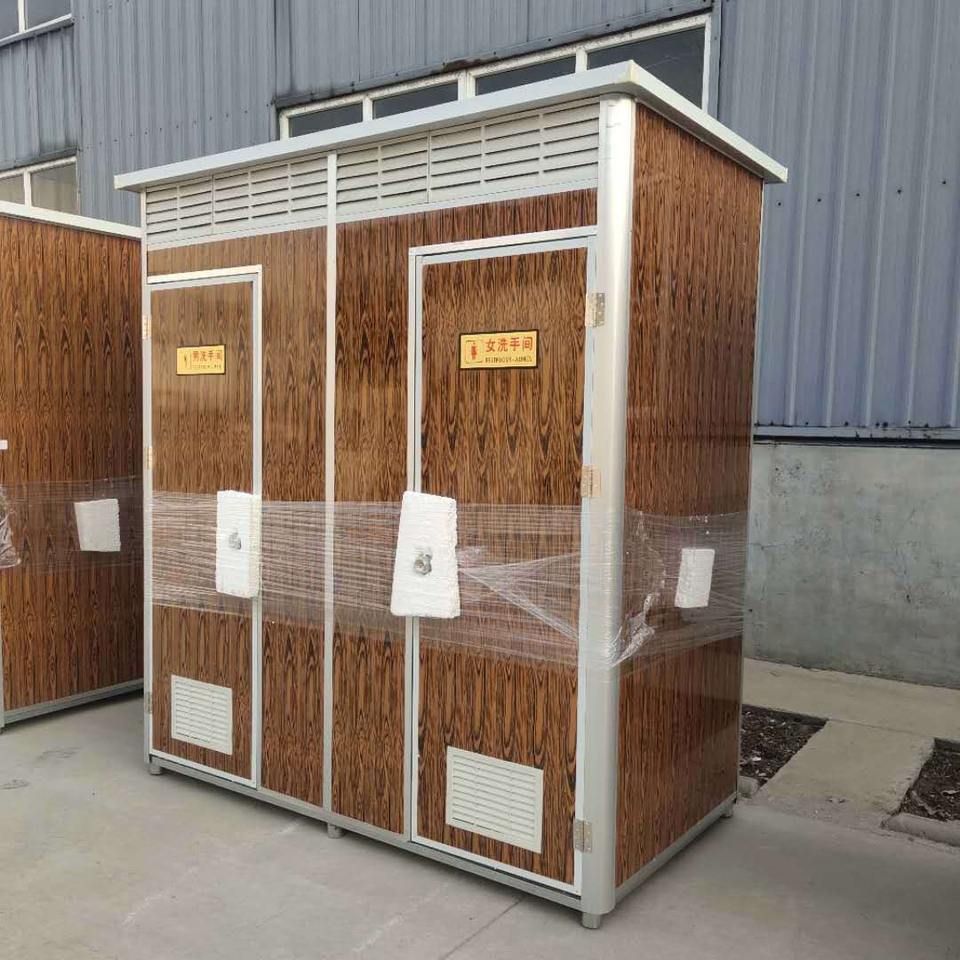
I. Combination Methods: Modular Assembly for Spatial Expansion
Containers are connected horizontally, vertically, or in a staggered manner through standardized interfaces. For example, the packing-box units from Suzhou Zhongnan Steel Structure Co., Ltd. support on-demand assembly, enabling the construction of 10 standard dormitory units within one day. Although the layout adjustments of standard container houses from CIMC Modular Building Systems Co., Ltd. are limited, vertical stacking allows for the construction of six-story dormitories or hotels. The giant black container building is composed of 16 specialized containers arranged in a crisscross pattern to form a four-story structure. This modular design breaks through the spatial limitations of a single container, enabling the creation of diverse architectural forms ranging from temporary dormitories to large commercial complexes.
II. Application Scenarios: Covering Temporary and Permanent Needs
- Temporary Scenarios: Scenarios such as construction camps, temporary government and enterprise buildings, and commercial pop-up stores require rapid delivery. The packing-box units from Suzhou Zhongnan come with pre-installed interiors before leaving the factory, allowing for immediate use upon on-site hoisting. Foldable containers demonstrate advantages in emergency rescue operations. The folded products from Suzhou Zhongnan occupy only one-fifth of their expanded volume, enabling a single truck to carry 20 units and significantly reducing transportation costs.
- Long-term Scenarios: The technical regulations for modular buildings specify a design service life of up to 50 years, meeting the needs of low-rise and multi-story buildings. The modular elderly care apartments purchased by British merchants and the MRDC modular hotel project in Papua New Guinea both achieve long-term use through container combinations, with construction periods reduced by over 60% compared to traditional methods.
III. Technical Characteristics: Balancing Structural Safety and Functional Adaptability
- Structural Performance: Measured data shows that compliant container houses have a wind resistance rating of 9-12 and an earthquake resistance rating of 6-8, with frame deformation rates far below industry thresholds. For example, the packing-box units from Suzhou Zhongnan have a wind resistance rating of 12 and an earthquake resistance rating of 8, with a deformation rate of only 0.18%.
- Functional Expansion: Through material and process innovations, container houses can integrate facilities such as bathrooms and air conditioners. Although the container dormitories at the Nagoya Asian Games sparked controversy due to limited space, they were equipped with toilets, showers, and air conditioners. The residential container houses in Hohhot use galvanized steel frames and rock wool sandwich panels to achieve thermal performance compensation.
- Environmental Characteristics: Container buildings reduce material consumption through the reuse of steel structures and generate less noise and waste during construction, aligning with green building trends. For example, an office composed of three containers achieves rapid assembly through modular construction while giving new value to discarded containers.



