
Back to blog
Article
Is Buying a Mobile Toilet a Good Choice?
Admin October 11, 2026
Whether buying a mobile toilet is appropriate depends on specific scenario requirements. In scenarios such as scenic spots, construction sites, and large-scale events, selecting the right model can significantly enhance user experience and reduce operation and maintenance costs.
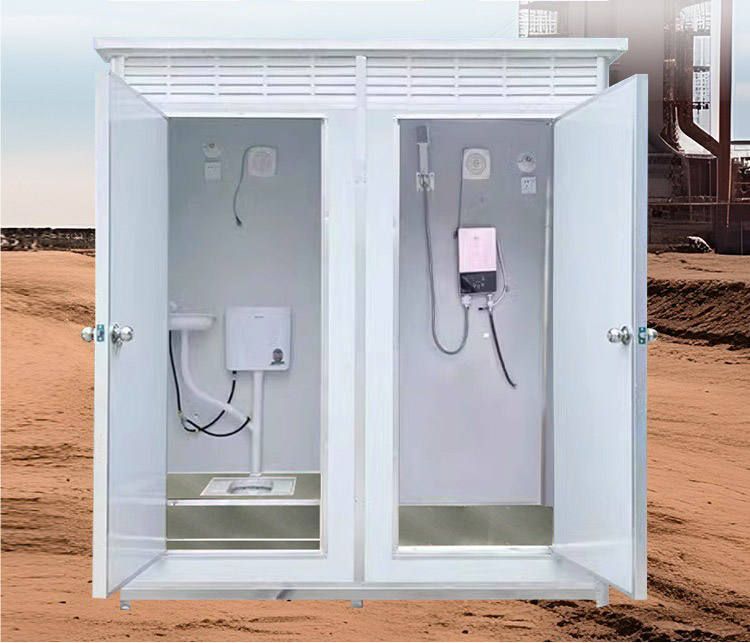
1. Selecting Technology Types Based on Usage Scenarios
- Short-term Rental or Temporary Projects: For temporary projects (e.g., those with a few months' duration), a basic mobile toilet can be chosen. It features a 100×100 galvanized square steel welded structure, equipped with an independent single room, flushing device, washbasin, and lighting facilities, meeting basic usage needs at a low cost.
- Long-term Operation Scenarios: The technology path should be carefully examined.
- Flush Type: Relies on water supply and sewage pipelines, suitable for places with high foot traffic and well-developed infrastructure (e.g., city squares). However, it can consume thousands of tons of water annually, and the cost of emptying septic tanks is high. It is not suitable for water-scarce or pipeline-free areas (e.g., scenic spots in Xinjiang and Tibet).
- Foam Sealing Type: Reduces odors and flushing water volume through foam, but requires regular addition of foaming agents. The equipment has a high failure rate, and the foam's fluidity is poor in low-temperature environments, affecting user experience. It is suitable for scenarios with high water-saving requirements and strong operation and maintenance capabilities.
- Waterless Biodegradation Technology: Uses microbial degradation as its core, achieving "waterless flushing, no odor, and no pollution," with fecal matter converted into organic fertilizer on-site. In field tests at 10 key scenic spots in Sichuan, it saved over 3,000 tons of water annually and reduced operation and maintenance costs by about 40%. It is suitable for water-scarce, ecologically sensitive, or sustainability-oriented scenarios.
2. Focusing on Core Selection Dimensions
- Environmental Adaptability: In high-altitude and low-oxygen areas (e.g., Tibet), products with freeze-proof and UV-resistant functions should be selected to ensure stable operation in environments ranging from -20°C to 40°C.
- Intelligent Management Capabilities: Priority should be given to models equipped with remote monitoring and data analysis functions, which can monitor foot traffic, energy consumption, and equipment failures in real-time, with a warning response time of less than 30 minutes, reducing manual inspection costs.
- Ecological Recycling Value: If the scenario has high environmental protection requirements, attention should be paid to fecal matter resource utilization capabilities. For example, microbial degradation technology can convert fecal matter into organic fertilizer, achieving "zero emissions" and enhancing ecological benefits.
3. Application Recommendations for Typical Scenarios
- Scenic Spots: Waterless biodegradation technology is recommended to address issues of odor, hygiene, and high operation and maintenance costs in traditional toilets (e.g., one scenic spot had annual maintenance costs exceeding 80,000 yuan and complaints accounting for over 15%).
- Construction Sites: For short-term projects, basic galvanized square steel toilets can be selected; for long-term projects, intelligent management functions can be combined to optimize resource allocation.
- Large-scale Events: Depending on foot traffic, flush type or foam sealing type toilets can be selected to ensure efficiency during peak usage periods.
Related



