Investment in Mobile Toilets
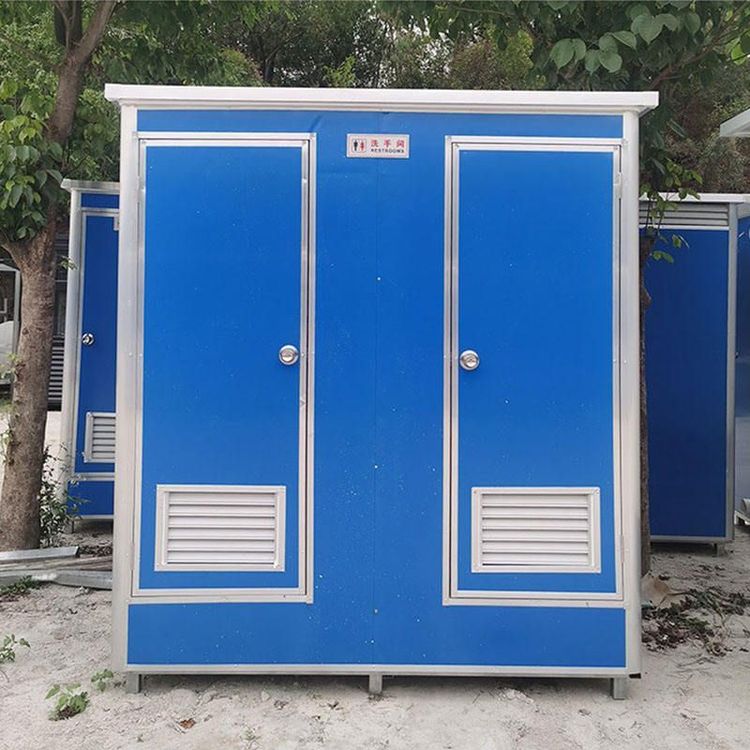
Investing in mobile toilets is feasible to a certain extent, but it requires a comprehensive assessment based on industry status, risks, and investment directions.

Industry Status and Prospects
In 2024, the market size of eco-friendly mobile toilets in China reached 1.87 billion yuan, a year-on-year increase of 14.3%. It is expected that growth will continue in 2025. At the policy level, strategies such as the 'Toilet Revolution' and rural revitalization are driving demand release, with multi-scenario applications (such as construction sites, cultural and tourism events, municipal emergencies, and remote areas) providing a stable customer base. Among them, construction sites offer stable cash flow due to mandatory regulations; short-term rentals in cultural and tourism attractions command high premiums but require advance toilet unit reserves; and waterless eco-toilets are in high demand in remote areas due to their independence from sewer networks.
Business Model Selection
Rental operations are the dominant model, accounting for over 60% of the market. They generate continuous cash flow through equipment rentals, waste removal, cleaning, and other supporting services, making them suitable for long-term布局 (layout). Equipment sales are highly competitive, with significant price wars, necessitating cautious entry. Government-enterprise managed operations and maintenance (such as sanitation PPP projects) can secure long-term orders but have high entry barriers.
Core Risks and Challenges
- Compliance barriers: Waste removal requires对接 (partnering with) qualified units. Waste removal vehicles and discharge permits are core barriers; failure to comply can result in environmental penalties.
- Homogeneous competition: Ordinary simple toilets have low gross margins. Differentiation must be achieved through operations and maintenance services or eco/smart products (such as microbial degradation and solar power).
- Seasonal fluctuations: Cultural and tourism activities are concentrated in spring, summer, and autumn, leading to high idle costs for equipment in winter. Construction site orders are relatively stable.
- Operating costs: High costs for equipment depreciation, labor, and transportation result in significant per-unit costs when starting with small batches.
- Customer payment terms: Municipal and large project clients have long payment cycles, requiring upfront capital for operations.
Investment Direction Recommendations
For small-scale startups, it is recommended to adopt a rental service provider model: directly purchase finished toilets from manufacturers (10-20 units), focus on securing local clients (general contractors, cultural and tourism companies, event planners, and urban management and sanitation departments), and partner with qualified waste removal units. Initially, control the scale, prioritize verifying local market demand and waste removal compliance, and gradually accumulate clients and operational experience before expanding.