
Introduction to Container Houses
Container houses are a form of architecture that uses standard containers as carriers and are transformed for habitation or office use, characterized by flexible adaptability, cost control, sturdy structure, and convenient transportation.
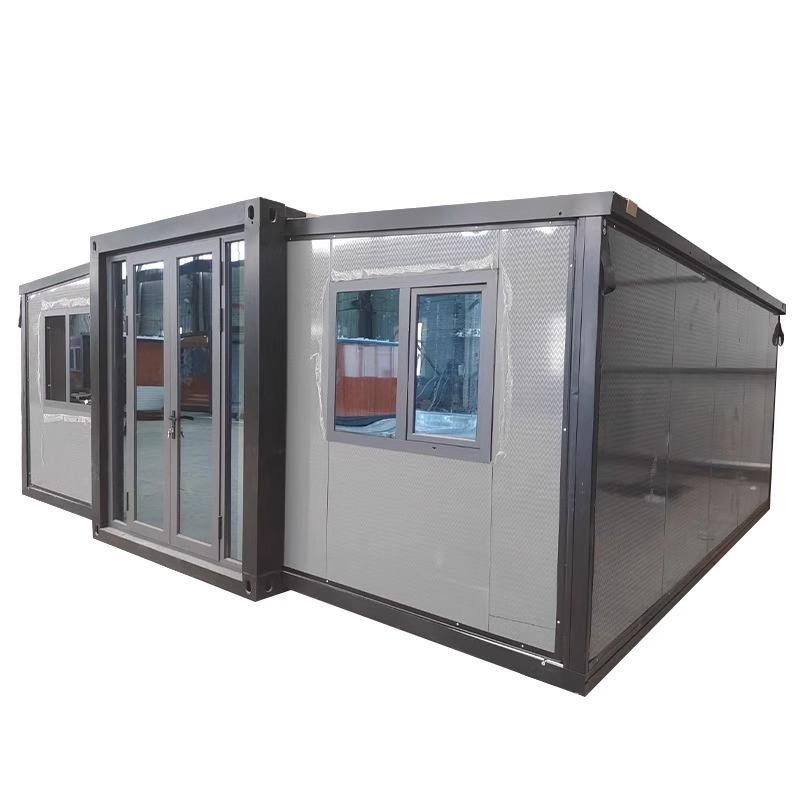
I. Structure and Types Container houses can be classified into various types based on their structure and purpose:
- Standard Container Type: Based on 20-foot and 40-foot containers, they can be used individually or combined, suitable for project departments, construction site command centers, etc.
- Expanded Type: By adding lateral or end expansion modules to the container, the usable area can be increased by 30%-50%, suitable for long-term on-site office use.
- Folding Type: Featuring a folding structure design, it compresses in volume during transportation and can be quickly expanded upon arrival (expansion time for a single unit ≤ 30 minutes), suitable for frequent relocation needs such as exploration teams and temporary command posts.
- Assembled Type: Combining light steel frames with color steel plates, it is modularly assembled on-site and can be flexibly expanded according to the number of people and functions, commonly seen in temporary office spaces in parks and event planning sites.
- Customized Creative Type: Incorporating elements such as glass curtain walls, wood grain finishes, and irregular structures, it is used for brand displays, cultural and creative parks, high-end temporary offices, etc., balancing functionality and visual expression.
II. Performance and Safety The core performance of container houses includes structural stability, wind and earthquake resistance, etc. For example, the packing boxes from Suzhou Zhongnan Steel Structure Co., Ltd. adopt a fully steel structural frame, with a wind resistance rating of 12 and an earthquake resistance rating of 8, and a frame deformation rate of only 0.18%; the standard container houses from CIMC Modular Building Investment Co., Ltd. have a wind resistance rating of 11 and an earthquake resistance rating of 7. Under extreme conditions, it is essential to prioritize verifying the product's wind and earthquake resistance test reports and avoid selecting unqualified white-label products, which generally have a frame deformation rate exceeding 1.2%, posing safety hazards.
III. Application Scenarios and Advantages Container houses have covered dozens of scenarios, including engineering camps, commercial pop-ups, government and enterprise temporary buildings, cultural and tourism accommodations, etc. Their advantages include:
- Flexibility and Portability: Modular design supports rapid deployment and relocation, with a single lifting and transportation cost of approximately 15-25 yuan per kilometer.
- Cost Control: Industrial production reduces costs, and they can be reused (it is recommended to disassemble and assemble no more than 5 times, otherwise, the risk of structural deformation increases by about 15%).
- Functional Adaptability: By compensating for thermal performance (such as a three-layer structure: galvanized sheet + rock wool + PVC-coated steel plate) and spatial functional zoning (such as integrated wet areas and furniture variability), they meet the needs for living comfort.



