Mobile Internet-Famous Container Houses
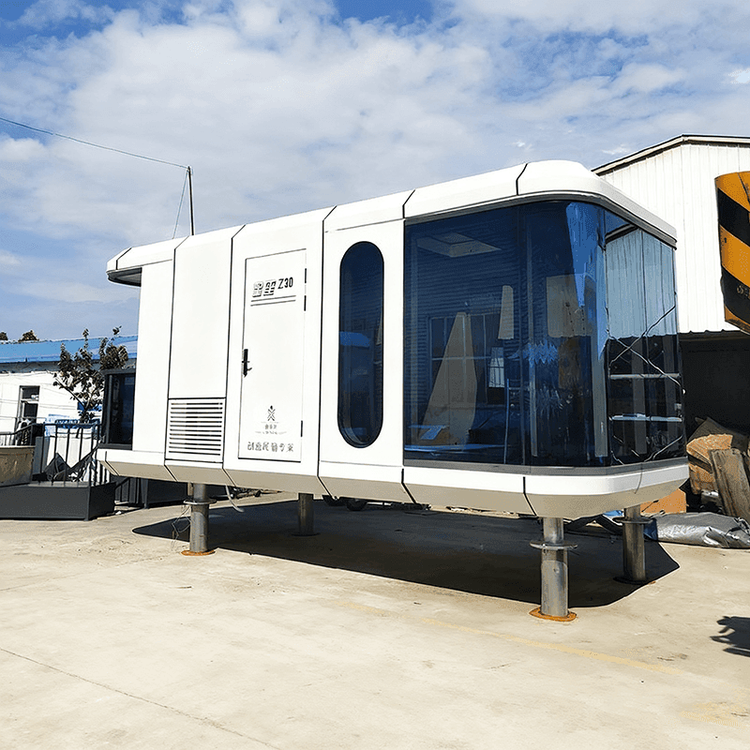
The mobility of internet-famous container houses mainly relies on their modular structural design and transportation convenience, enabling flexible movement and rapid deployment through the modification of standard containers, foldable structures, or assembled modules.

1. Mobile Foundation of Container-Type Houses
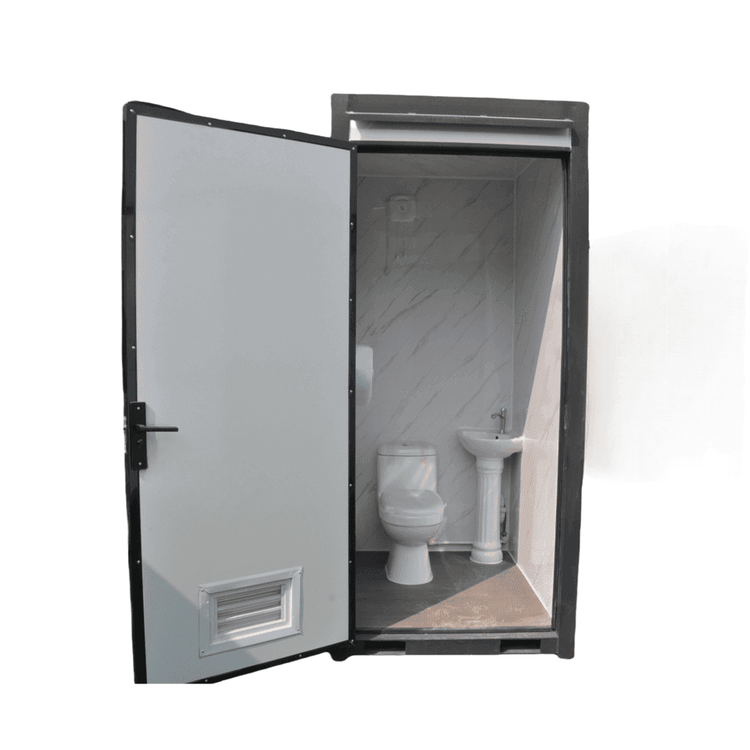
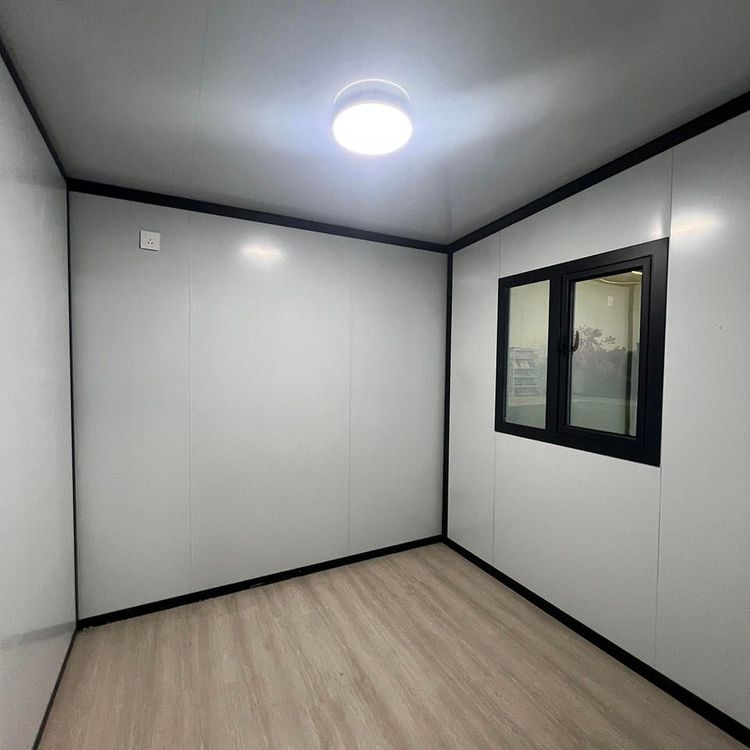
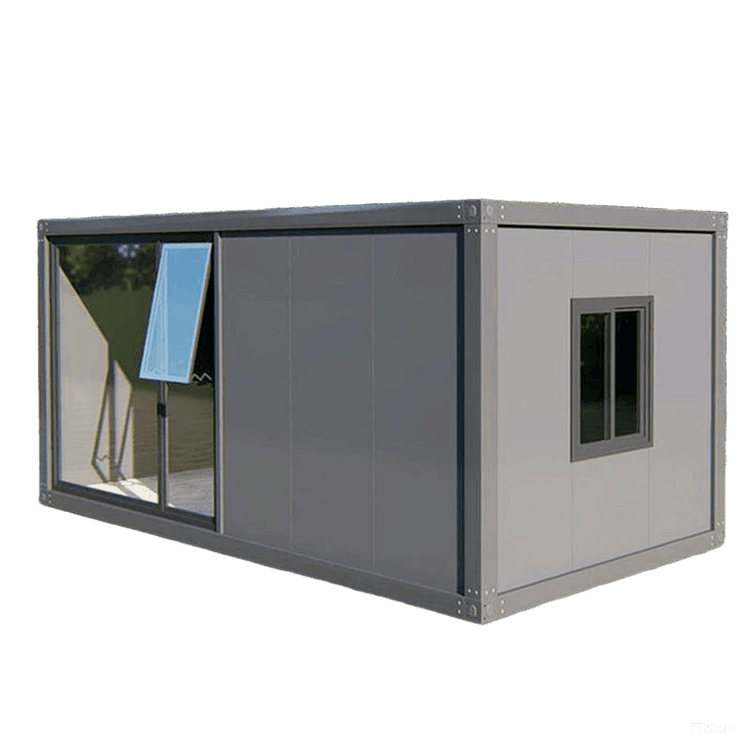
Container-type office houses use standard containers as carriers and are transformed into independent office units. Common sizes include 20-foot and 40-foot containers, supporting single-unit use or multi-unit assembly. Their core advantages lie in sturdy structure and convenient transportation, allowing direct transport by trucks, ships, or trains, suitable for project departments, construction site command centers, and other scenarios. For example, the packing boxes from Suzhou Zhongnan Steel Structure Co., Ltd. feature a fully steel structural frame with a wind resistance rating of Level 12, an earthquake resistance rating of Level 8, and a frame deformation rate of only 0.18%. They maintain structural stability under extreme conditions, ensuring safety after relocation.
2. Mobile Optimization of Foldable Houses
Foldable office houses are designed with a foldable structure, compressing their volume during transportation and quickly unfolding upon arrival, with the unfolding time for a single unit controlled within 30 minutes. This design significantly reduces transportation costs. For instance, the quick-assembly boxes from Suzhou Zhongnan can be installed in just 2 hours per unit, supporting on-demand assembly and enabling the construction of 10 standard dormitory units within a day, suitable for exploration teams, temporary command centers, and other scenarios requiring frequent relocation. Their mobility is not only reflected in physical transportation but also in the ability for rapid deployment and reassembly.
3. Modular Mobility of Assembled Houses
Assembled office houses combine light steel frames with color-coated steel sheets, allowing modular assembly on-site and flexible expansion based on the number of occupants and functional zoning. Although their mobility is not as direct as that of container-type or foldable houses, the modular design allows for partial disassembly and reassembly of components. For example, in scenarios such as temporary office spaces in industrial parks or event planning sites, space adjustments can be made by changing module positions or adding/removing modules, indirectly enhancing mobility flexibility.
4. Mobility and Space Balance of Expandable Houses
Expandable office houses add lateral or end expansion modules to standard containers, increasing usable area by 30%-50% when expanded. Their mobility is primarily reflected in the transportation of the container body, with expansion modules typically installed on-site, suitable for long-term on-site offices requiring higher space comfort. For example, the standard container houses from CIMC Modular Building Investment Co., Ltd., although limited in layout adjustments, still ensure transportation efficiency through the standardized design of the container body.