Intelligent Park Portable Toilet
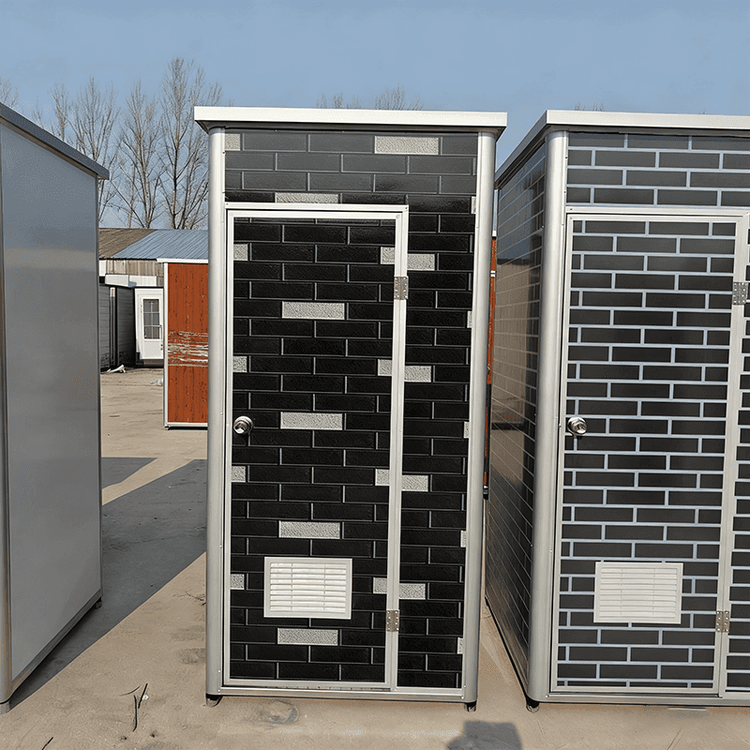
An intelligent park portable toilet is an environmentally friendly facility that integrates multiple intelligent functions and convenience, featuring automation, comfort, and environmental protection.

Intelligent Functions
Intelligent park portable toilets are equipped with various advanced sensing devices to enhance the user experience and hygiene standards. For example, the motion-sensor lights automatically turn on the moment the door is opened, eliminating the need for manual operation and providing both convenience and energy efficiency. The touchless hand-washing liquid dispenser allows users to simply extend their hands to the sensing area to automatically dispense hand-washing liquid, preventing cross-infection. The hand-dryer sensing area quickly dries hands after washing, without the need to touch the device throughout the process, ensuring greater hygiene. Additionally, some high-end portable toilets are equipped with an intelligent sensor flushing system that automatically flushes based on usage, reducing water waste. The intelligent disinfection system regularly disinfects the interior of the toilet to ensure a clean environment. The air conditioning and fresh air system regulates indoor temperature and air quality, providing a comfortable environment in both summer and winter.
Structural Composition
Portable toilets are generally composed of multiple parts, including a fecal sewage storage tank (or fecal sewage treatment device) for collecting and treating excreta; a floor and walls that form the basic structure of the toilet; sanitary ware such as toilets or squat pans; washing facilities including sinks and faucets; a water tank for storing clean water; a roof for shelter; and mobility devices such as wheels or trailer structures for easy transportation and installation. The design of these components fully considers mobility and durability, ensuring that the toilet can be quickly deployed and used in different scenarios.
Classification and Design Principles
Portable toilets can be classified into various types based on their structural form, mobility method, and sewage treatment method, such as single-unit, connected-unit, and trailer-mounted types, to meet the needs of different scenarios. Their design follows the principles of mobility and convenience, economic durability to ensure that the toilet can be easily transported and installed; environmental protection and ecological friendliness to reduce the impact on the environment through sewage treatment devices; and efficiency enhancement and humanitarian promotion to provide a comfortable and hygienic user experience, reflecting humanistic care.