Intelligent Mobile Toilet Revolution
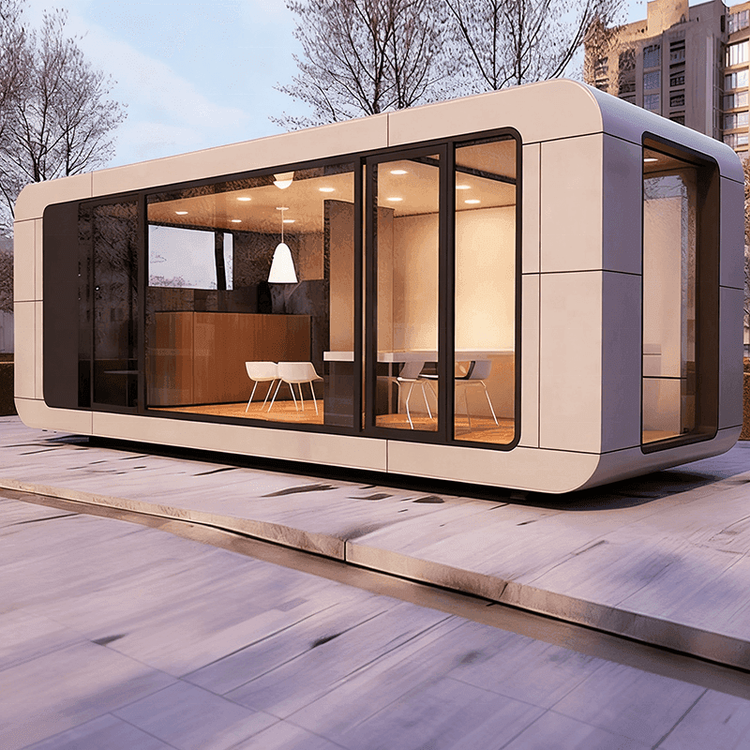
The Intelligent Mobile Toilet Revolution represents a comprehensive upgrade of mobile toilets from 'temporary facilities' to 'intelligent sanitary spaces' in response to the needs of rural revitalization and urban development, encompassing multi-dimensional innovations in materials, environment, management, scenarios, and human-centered design.

Material Innovation and Structural Optimization: The new generation of mobile toilets employs military-grade aluminum alloy frames with a tensile strength of 350MPa, a 50% increase over ordinary aluminum alloys. Combined with anodizing treatment, they can withstand salt spray and acid rain corrosion, extending the service life in northern coastal rural areas from 5 to over 15 years. Structural design is optimized through finite element analysis technology, enhancing key node strength by three times, enabling resistance to falls from 10 meters and 12-level typhoons, while reducing self-weight by 30% and significantly lowering transportation costs.
Environmental Adaptability Breakthroughs: Intelligent mobile toilets provide all-weather protection in extreme environments. In northern frigid regions, double-layer vacuum glass and graphene heating films maintain a constant cabin temperature above 15℃ at -30℃. In southern humid environments, IP65-rated waterproof standards protect circuits. In high-altitude areas, customized cabins maintain oxygen concentration above 21%, reducing altitude sickness incidence by 60%. The energy system supports dual modes of solar power and diesel generators, with an average daily power generation of 8 kWh in northwest rural areas, meeting 72-hour off-grid operation requirements.
Application of Intelligent Management Systems: Integrated IoT sensors monitor parameters such as temperature, humidity, ammonia concentration, and water level in real-time, enabling automated operation and maintenance. For example, when ammonia levels exceed standards, exhaust fans activate automatically; when sewage tanks are full, warnings are sent, shifting the cleaning cycle from 'regular' to 'on-demand' and reducing labor input by over 30%. Chengdu Pengzhou Danjing Mountain Scenic Area employs biodegradation technology, achieving an odor concentration below the national standard of 0.05mg/m³ after three months, with zero complaints; in contrast, toilets with ordinary ventilation designs exceed odor standards by two times after one month, with a complaint rate of 30%.
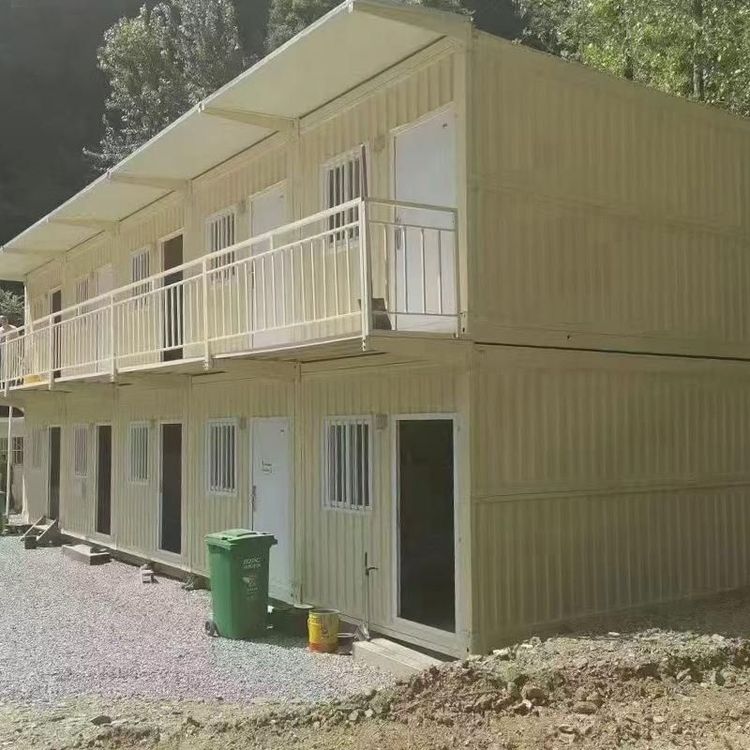
Scenario-Based Adaptation and Human-Centered Design: Intelligent mobile toilets are flexibly applied in large-scale events, tourist attractions, construction sites, and remote areas. Over 50 public toilets deployed in Tangshan Nanhu Scenic Area utilize foam-based environmental protection technology, accommodating a thousand uses per tank without odor, with integrated污物箱 (waste tank) designs enabling harmless treatment without external water or electricity connections. Additionally, human-centered designs such as family restrooms, parent-child units, graphene floor heating, and nano fresh air devices are incorporated, with exterior facades blending into natural landscapes to enhance user experience.
Digitization-Driven Management Upgrades: Zhongyunhui's 'Cloud Vision Universal IoT Operating System' utilizes 5G, IoT, and edge computing to monitor data such as foot traffic, energy consumption, and microbial activity in real-time. AI algorithms predict microbial activity and optimize temperature control strategies, ensuring stable equipment operation in extreme climates, reducing operation and maintenance costs, and enhancing management efficiency.