
Intelligent Mobile Toilet Production
The production of intelligent mobile toilets requires a combination of professional design and simple modification ideas, with appropriate plans selected according to needs.
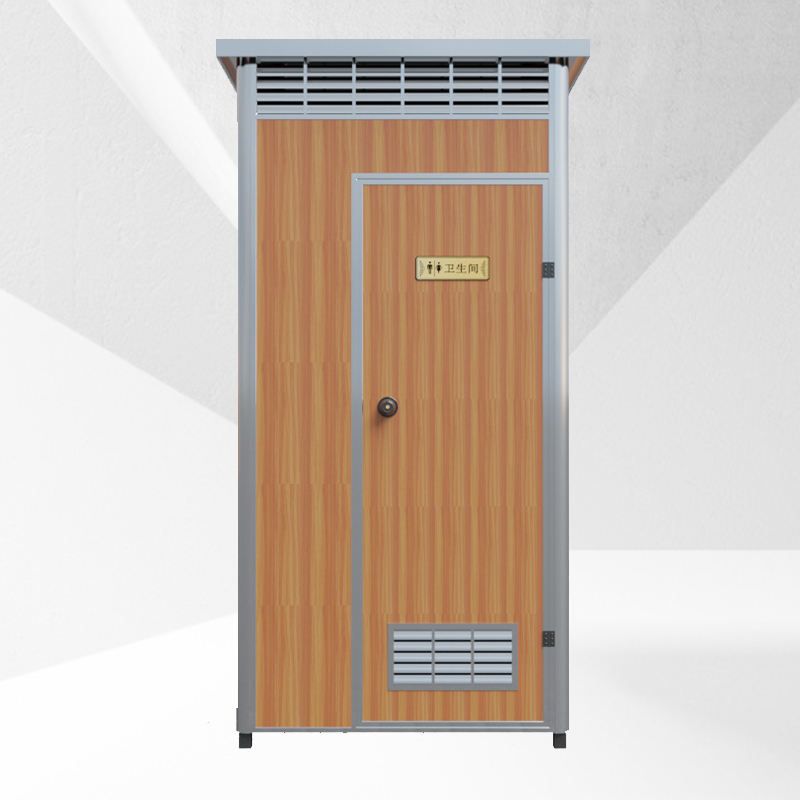
Design Approach of Professional Companies
Intelligent mobile toilets produced by professional companies typically employ a steel-welded frame structure. The base is welded using channel steel or I-beams to ensure the overall structural stability; square steel is used for the columns to further enhance support capacity. Wall materials can be selected from color-coated steel plates, fiberglass-reinforced plastics, stainless steel, or metal carved panels, which are corrosion-resistant, easy to clean, and aesthetically pleasing. The interior is equipped with thermal insulation layers to effectively regulate the toilet's internal temperature and enhance user comfort. Additionally, background music and voice prompt systems are installed to improve the user experience. Intelligent automatic control management devices enable functions such as automatic flushing, lighting control, and air purification, elevating the toilet's intelligence level. Sewage disposal methods support water flushing, packing, foaming, or microbial decomposition technologies, which can be chosen based on different usage scenarios and environmental requirements. Some models do not require the installation of water and drainage systems and only need to be connected to a power source to achieve sterilization and disinfection functions, making them suitable for areas with water scarcity or inconvenient drainage.
Simple DIY Production Plan for Individuals
For individuals looking to DIY a simple mobile toilet, a water storage tank or container can be used as the main structure. First, use an angle grinder to cut appropriate openings in the water storage tank or container for installing facilities such as toilets and washbasins. Then, construct a movable base using wooden planks and universal wheels to ensure the toilet can be easily moved. Install facilities such as toilets, drainage pipes, showers, and washbasins inside, and use self-tapping screws to secure all components, ensuring structural stability. However, such homemade plans require attention to structural stability and hygiene conditions. Due to the lack of professional design and materials, there are differences in functional completeness and environmental standards compared to professional intelligent mobile toilets. For example, automatic flushing and sterilization functions may not be achievable, and hygiene conditions may be difficult to meet professional standards.



