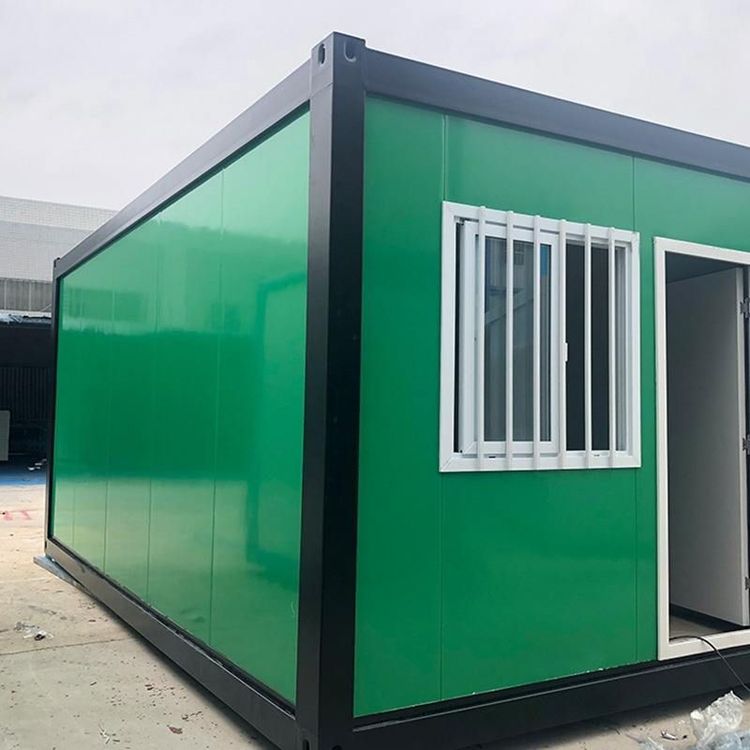
Intelligent Mobile Toilet Equipment
Intelligent mobile toilet equipment comes in a variety of types and features rich functional characteristics, covering multiple structural forms, mobility methods, and sewage treatment approaches.

From a functional perspective, some intelligent and eco-friendly mobile toilets are equipped with epidemic prevention and water-saving features, utilizing cutting-edge technologies such as wave-to-open doors, wave-to-replace seat cushions, and wave-to-flush systems. These designs reduce direct contact between humans and toilet facilities, effectively lowering the risk of transmission of bacteria, viruses, and other pathogens, which holds significant epidemic prevention importance, especially in the context of frequent public health events. Meanwhile, features like wave-to-flush control water usage through intelligent sensing, avoiding the water waste associated with traditional flushing methods and achieving water conservation goals.
Another type of smart public toilet comes with an integrated feces collection tank. The toilet cubicle adopts a U-shaped Apple Pod design, with exterior walls made of fluorocarbon-painted aluminum panels—a material that is sturdy, durable, and aesthetically pleasing, capable of adapting to various usage environments. Internally, it is equipped with an intelligent system that enables automatic lighting, sensor-based soap dispensing, and sensor-based handwashing. The automatic lighting system adjusts brightness based on ambient light and human activity, ensuring convenience and energy efficiency; the sensor-based soap dispensing and handwashing functions utilize infrared sensing technology, eliminating the need for manual operation and further enhancing hygiene levels while reducing the potential for cross-infection.
In terms of structural forms, intelligent mobile toilets can be divided into single-unit mobile toilets and composite-structure mobile toilets. Single-unit mobile toilets are generally smaller in size, facilitating easy movement and installation, making them suitable for temporary events, construction sites, and other locations. Composite-structure mobile toilets, on the other hand, are composed of multiple single units, offering more comprehensive functions to meet the usage needs of larger groups.
Based on mobility methods, there are lifting and handling-type mobile toilets, which rely primarily on cranes or manual handling for movement and are suitable for locations with relatively flat terrain and lower frequency of movement. There are also powered and towed-type mobile toilets equipped with power units or towing devices, allowing them to be moved by vehicles, providing high flexibility and mobility for scenarios requiring frequent relocation.
Regarding sewage treatment methods, intelligent mobile toilets can be categorized into water-flush and waterless suction-type mobile toilets, circulating water-flush mobile toilets, and dry-packing mobile toilets. Water-flush and waterless suction-type mobile toilets treat fecal sewage through flushing or suction methods; circulating water-flush mobile toilets recycle flushing water, improving water resource utilization efficiency; dry-packing mobile toilets collect feces in specific packaging bags, facilitating subsequent treatment and transportation.