Intelligent Mobile Toilet Design
Intelligent mobile toilet design focuses on environmental perception, one-click intelligent operation, and environmental protection and energy conservation. It has the advantages of being movable, combinable, and easy to transport, and adheres to the principles of mobility and cost-effectiveness.

I. Design Principles Intelligent mobile toilet design must adhere to six core principles: Mobility and Convenience requires a lightweight overall structure for rapid deployment and relocation; Cost-Effectiveness and Durability emphasizes the use of low-cost, long-lasting materials to reduce the total lifecycle cost; Environmental Protection and Ecology necessitates the reduction of pollution through wastewater treatment technologies; Environmental Harmony requires coordination with the surrounding landscape to avoid visual interference; Enhanced Efficiency involves optimizing spatial layout and usage processes; Humanitarian Promotion ensures the provision of barrier-free facilities and sanitary conditions, reflecting humanistic care.
II. Materials and Structure
- Material Selection: The exterior walls are made of fluorocarbon-painted aluminum panels, which are corrosion-resistant, UV-resistant, and easy to clean, making them suitable for long-term outdoor use; the floor is made of rock panels, which are wear-resistant, slip-resistant, and antibacterial, and can withstand high-frequency foot traffic.
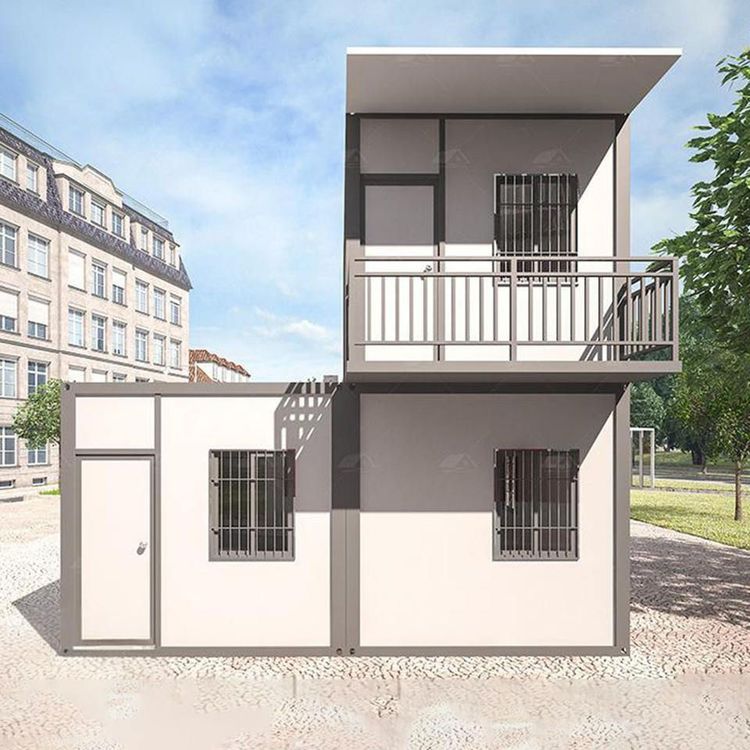
- Structural Forms: There are two types: Single-Unit Structure (independent units suitable for small-scale scenarios) and Composite Structure (multi-unit combinations that can be expanded into public restroom clusters), meeting the needs of different scenarios.
III. Mobility and Deployment
- Mobility Methods:
- Lifting and Handling Type: Relies on lifting equipment, suitable for short-term use at fixed locations;
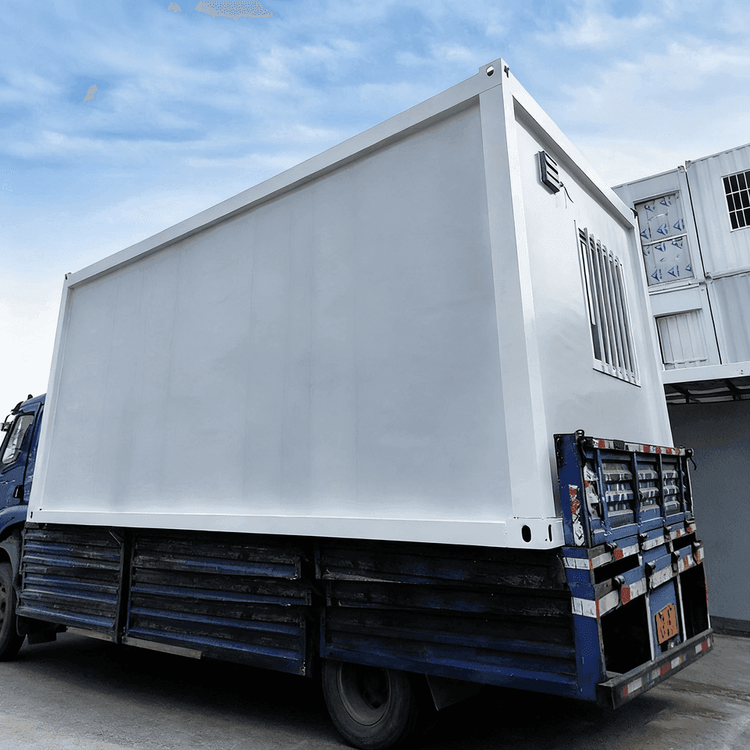
- Powered and Trailer Type: Equipped with an engine or can be connected to a vehicle for autonomous movement, suitable for巡回 services (itinerant services) or emergency scenarios.
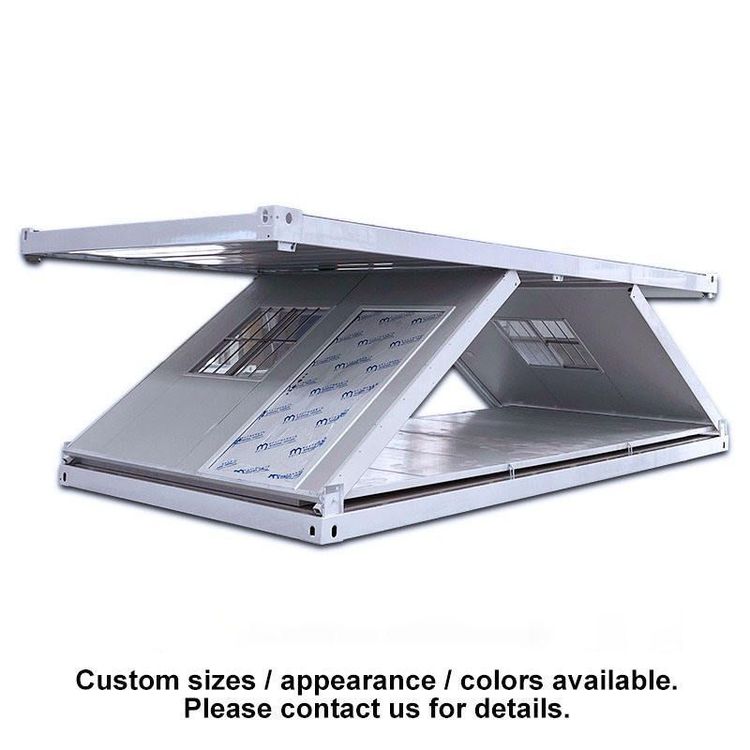
- Deployment Advantages: It can be quickly transported to remote areas, disaster sites, or large event venues, and supports repeated disassembly and assembly, resulting in high resource utilization.
IV. Wastewater Treatment Technologies
- Flush and Non-Flush Suction Type: Collects excreta through vacuum pumps or negative pressure systems, reducing water consumption, suitable for areas with scarce water resources;
- Recirculating Flush Type: Utilizes biodegradation or membrane filtration technologies to purify wastewater, achieving water resource recycling;
- Dry Packing Type: Uses biodegradable bags to collect feces, eliminating the need for flushing and wastewater discharge, with outstanding environmental protection.
V. Intelligent Functions
- Status Display: Uses external breathing lights to display the "occupied/unoccupied" status in real-time, avoiding embarrassment and conflicts;
- One-Click Operation: Integrates automatic flushing, ventilation, and lighting functions, lowering the usage threshold, especially suitable for the elderly and children;
- Environmental Perception: Built-in temperature, humidity, and air quality sensors automatically adjust the ventilation and deodorization systems to enhance comfort.