
Intelligent Mobile Environmental Toilet
The intelligent mobile environmental toilet is a modern public sanitation facility that integrates technology and environmental protection concepts, featuring water conservation, intelligent operation, and flexible mobility. It is widely used in public places such as scenic spots, service areas, and rural areas.
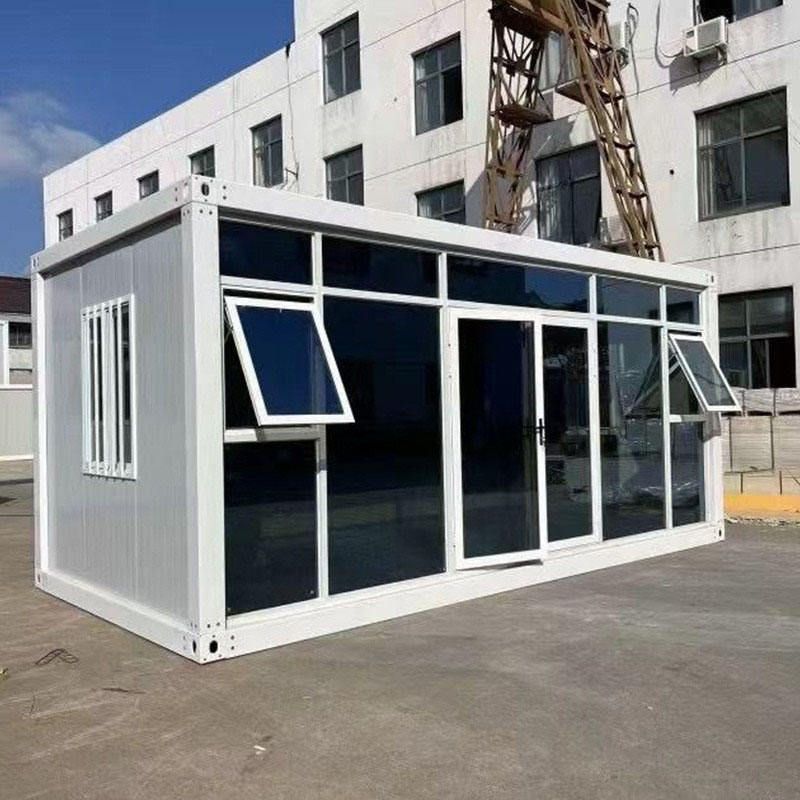
I. Core Functions and Technical Features
Intelligent Operation and Hygiene Prevention
Some models, such as the epidemic prevention intelligent mobile environmental toilets used during the Winter Olympics, employ wave-sensing technology for functions like door opening, seat replacement, and flushing, reducing the risk of contact transmission. Internally, they are equipped with an independent toilet pit partitioned treatment system: the urine channel utilizes gravity flow, while the feces channel is cleaned by a piston-type scraper mechanical device, ensuring hygiene and odorlessness.Efficient Water-Saving Design
Based on new materials and water-saving technologies, these toilets automatically collect hand-washing water and add special agents to achieve a flushing effect of only 0.46 liters per person, significantly lower than traditional public toilets. Some models adopt waterless flushing or foam sealing technologies to further reduce water consumption.Durability and Safety
The frame is welded from national standard steel, with surfaces covered in anti-corrosion and fire-resistant materials such as color-coated steel plates or carved panels, offering a service life of over 20 years. Internally, they are equipped with anti-slip floors, automatic flushing toilets, ventilation, and lighting systems, complying with the GBLT18091-92 standard to ensure safety and comfort.
II. Product Forms and Classifications
Towable and Trailer-Mounted Types
These can be transported anywhere at any time, utilizing microbial environmental degradation systems without the need for municipal sewer connections, making them suitable for temporary events or remote areas.Factory-Prefabricated Integrated Types
These come with complete internal systems, including waste collection, sinks, smart mirrors, and ambient lighting. They are produced entirely in factories and can be installed directly upon delivery, shortening deployment time.Expanded Subcategories
Since 2012, mobile toilet technologies have covered waterless, foam-sealed, and water-flushing types, with derivatives such as antique-style, temporary construction site, and marine models. They support vehicle mounting and traditional toilet renovations, with forms including trailer-mounted, box-type transformer cabinet-style, and stainless steel booth-style, adapting to various scenarios.
III. Application Scenarios and Advantages
Intelligent mobile environmental toilets have been widely applied in public places such as scenic spots, service areas, rural areas, and construction sites, with advantages including:
- Flexibility: Rapid deployment or relocation to meet temporary or seasonal demands.
- Environmental Protection: Water-saving technologies and microbial degradation systems reduce pollution, aligning with sustainable development principles.
- Intelligence: Contactless operations enhance hygiene levels and lower maintenance costs.
Through technological innovation and material upgrades, intelligent mobile environmental toilets are gradually replacing traditional public toilets, becoming an important choice for modern urban and rural public sanitation facilities.



