Integrated Prefabricated Housing
Integrated prefabricated housing is a form of construction where building modules are prefabricated in factories and then transported to the site for rapid assembly. It offers advantages such as short construction periods, environmental friendliness, and controllable quality, with a wide range of application areas and promising market prospects.
Core Features and Advantages Integrated prefabricated housing completes the prefabrication of the main structure, interior decoration, and equipment pipelines through standardized factory production, with on-site assembly using a 'building block' approach. Its core features include standardized design, industrialized production, and modular construction. Compared to traditional construction methods, the advantages are significant:
- High Construction Efficiency: The construction period can be shortened by 50%-60%. For example, in the Shenzhen affordable housing project, 6,028 concrete modules were assembled, reducing the construction time from 2.5-3 years to 1 year, and reducing on-site labor by about 50%.
- Strong Environmental Performance: Construction waste is significantly reduced, and noise, dust, and traffic congestion, which are disruptive to residents, are markedly decreased, aligning with the concept of green building.
- High Quality Controllability: Factory production eliminates on-site construction errors, ensuring uniform and traceable module quality.
- Flexible Recycling: Some houses can be disassembled and reassembled, adapting to scenarios such as temporary housing and overseas engineering camps.
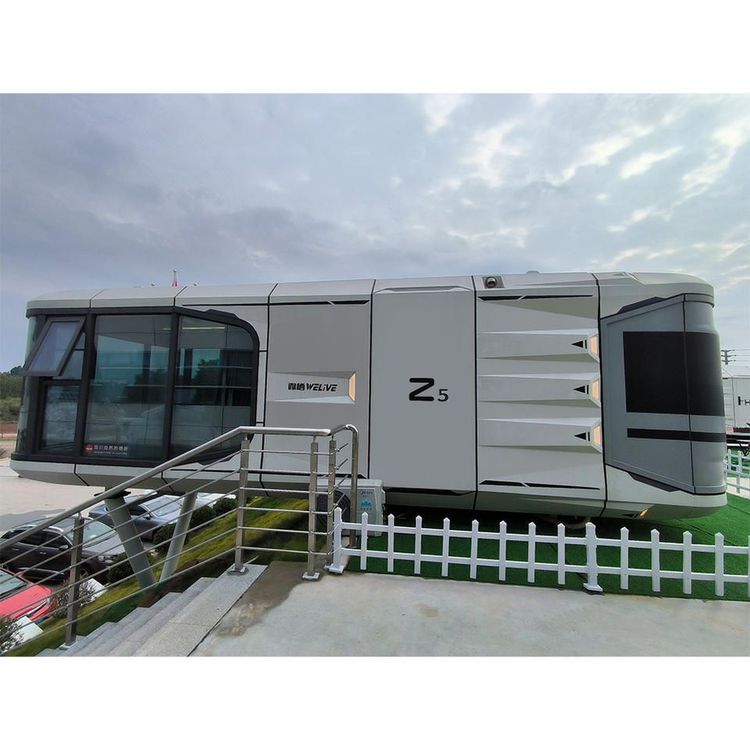
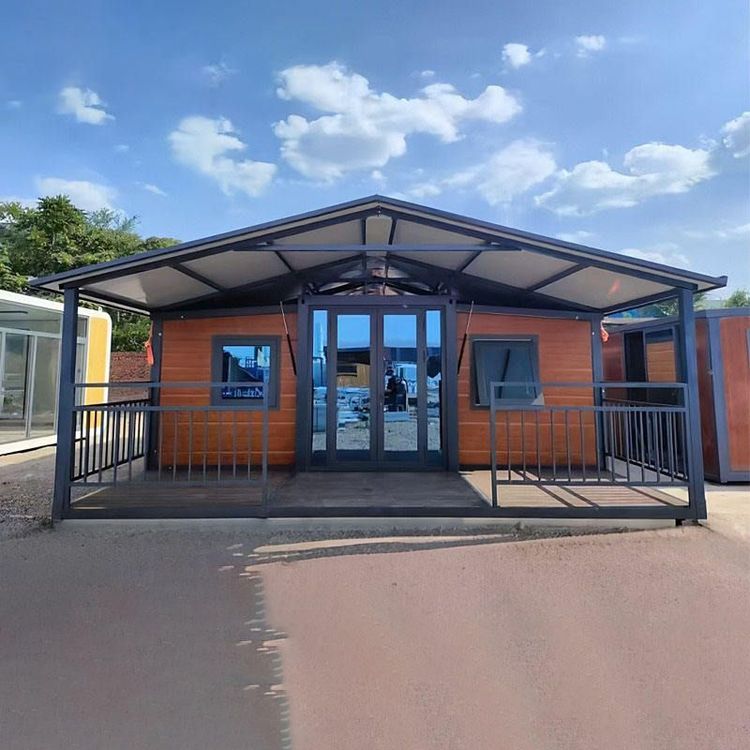
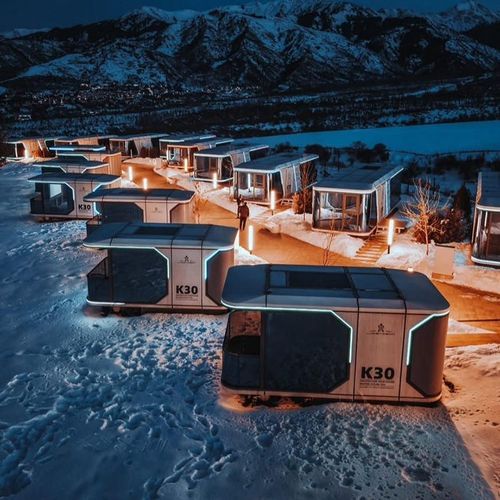
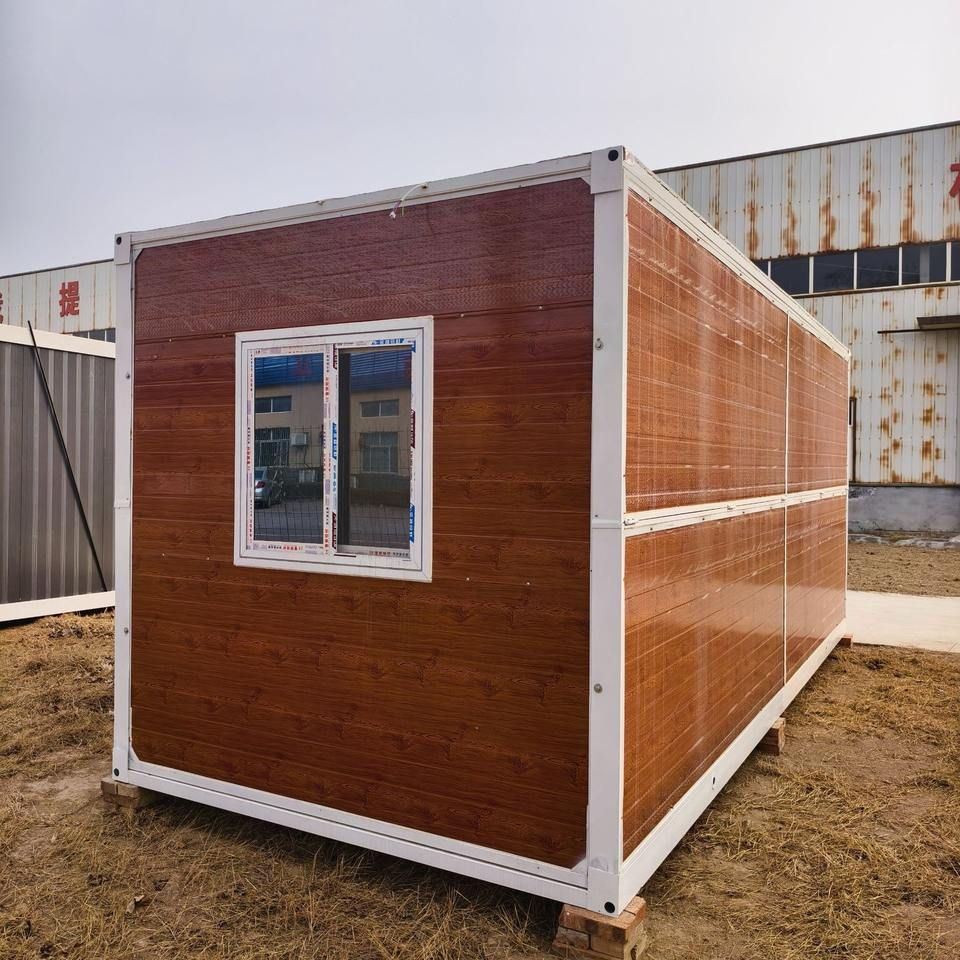
Product Forms and Customization The product forms are diverse, including steel structure cabins, container houses, and high-tech space capsules. Customization services support differentiated choices in style (such as light steel mobile houses, prefabricated, and box-type), process (welding, assembly, hot rolling), and load capacity (600kg-1600kg). For example, container houses can have functional areas divided inside, with exterior walls made of metal corrugated panels, paired with double-glazed Low-E glass and built-in insulation layers to achieve a combination of thermal insulation and aesthetics.
Application Areas and Market Prospects It is widely used in temporary housing, tourist accommodations, commercial pop-ups, permanent residences, and schools. Driven by China's policies on new construction industrialization, the industry has a complete supply chain and strong design innovation capabilities, significantly enhancing its international competitiveness. According to market research firm predictions, the global modular construction market is expected to exceed $142.8 billion by 2030, reflecting its long-term potential in green building and efficient construction.