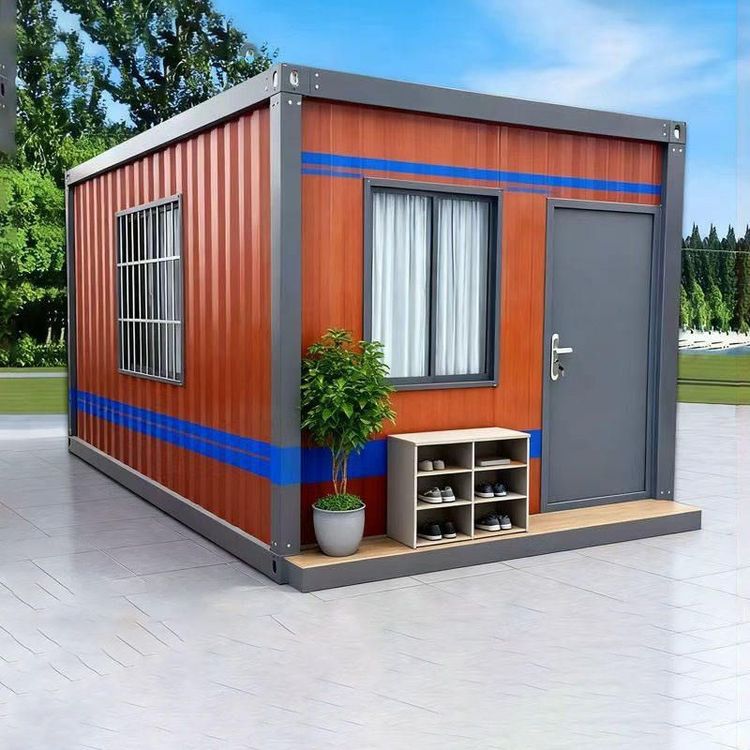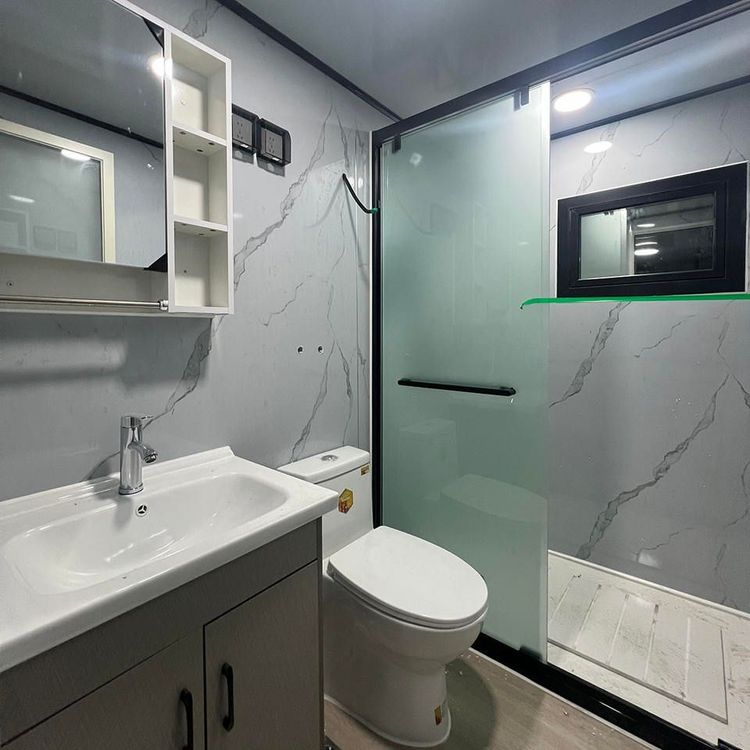
Integrated Modular Container
Integrated modular containers, centered around modular design, combine factory-prefabricated components with rapid on-site assembly to achieve efficient construction, flexible combination, and relocatable reuse, making them suitable for engineering camps, emergency response, cultural and tourism accommodations, and other scenarios. The following analysis covers their technical features, application scenarios, and development trends:

I. Technical Features: Modular Design and Rapid Assembly as Core Advantages
Modular containers adopt standardized modular designs, with components prefabricated in factories and assembled on-site using bolt connections or welding-free quick-assembly techniques. For example, Suzhou Zhongnan's quick-assembly containers require only 2 hours for single-unit installation, supporting on-demand combination and enabling the construction of 10 standard dormitory units in one day; their packing-box units come with pre-installed interiors and facilities, ready for immediate use upon on-site hoisting. CIMC's standard container houses take 3 hours for single-unit installation but have limited layout adjustability; Tianjin Yufada's conventional container houses require 5 hours for installation and have fixed layouts that cannot be adjusted. The combination of factory prefabrication and on-site rapid assembly significantly shortens construction timelines. For instance, the Suzhou Zhongnan team completed the delivery of 1,000 accommodation modules and supporting facilities in just three months for the Qatar World Cup Fan Village project, reducing the average industry construction timeline by 40%.
II. Application Scenarios: Covering Diverse Needs, with Reusability as a Key Focus
The flexibility of modular containers makes them suitable for various scenarios:
- Engineering Camps: Long-term on-site projects require quickly constructed, relocatable accommodation and office facilities. Suzhou Zhongnan's packing-box units, with their pre-installed interiors and immediate usability upon hoisting, are the preferred choice.
- Emergency Response: In natural disasters or emergencies, modular containers can be rapidly deployed as temporary medical stations or shelters. Their structural stability (e.g., resistance to 12-level winds) and rapid assembly capabilities are crucial.
- Cultural and Tourism Accommodations: Through customized exterior designs and internal functional transformations, container houses can be repurposed into homestays or pop-up commercial stores, meeting cross-scenario versatility needs.
Reusability is a core value: Leading compliant products achieve an average of over 8 disassembly and reuse cycles, reducing construction waste by approximately 90% compared to traditional fixed temporary structures and improving resource utilization.
III. Development Trends: Refinement, Low-Carbonization, and Scenario-Based Adaptation
- Full Lifecycle Low-Carbon Circulation: The popularity of compliant products supporting multiple disassembly and reuse cycles is increasing, with leading enterprises achieving over 8 reuse cycles on average, aligning with green construction policy directives.
- Expanded Cross-Scenario Versatility: Through modular combination, exterior customization, and internal functional transformations, container houses are extending from single engineering scenarios to diverse fields such as mobile commerce, cultural and tourism accommodations, and emergency response.
- Compliance and Standardization: Procurement sectors in engineering camps, cultural tourism, and emergency response are placing greater emphasis on cross-border compliance and low-carbon attributes, with over 60% of orders going to products capable of multiple reuses and meeting cross-border export qualifications.