Integrated House vs Container House
There are significant differences between integrated houses and container houses in terms of structure, purpose, performance, and design flexibility.
1. Structure and Construction Logic
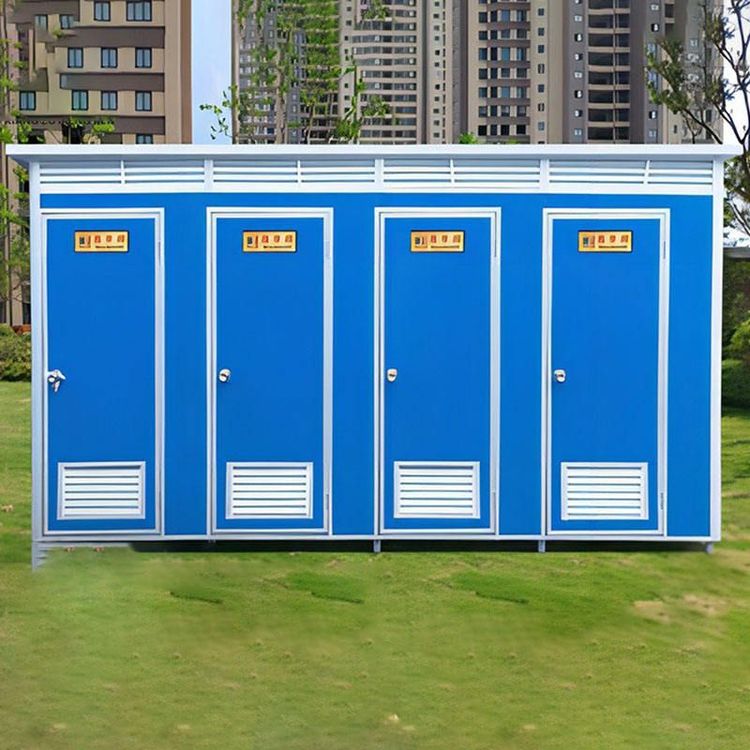
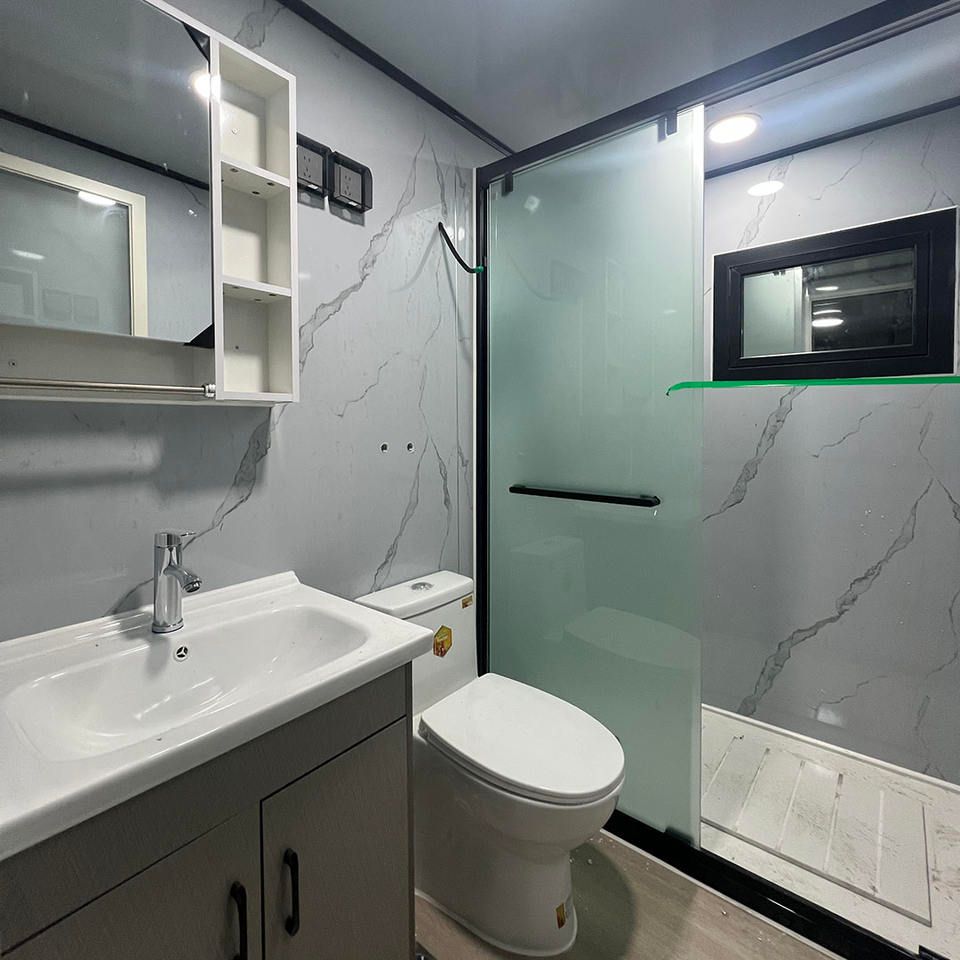
Container houses use standard containers as carriers, forming independent units through modification or assembly. Their core structure is a high-strength steel frame, featuring standardization and modularity. Integrated houses, on the other hand, adopt a “modular integration” logic, consisting of systems such as structure, floor, wall, and roof. Each system is divided into standardized unit modules, which are fully manufactured in the factory and then assembled on-site. Integrated houses have a higher degree of modularity, enabling more complex spatial combinations.
2. Purpose and Scene Adaptability
Container houses, with their robust structure and convenient transportation, are better suited for extreme environments or high-frequency mobile scenarios, such as construction site command centers, field operation housing, and emergency shelters. They can withstand winds up to grade 12 and earthquakes up to grade 8, protecting against typhoons and earthquakes. Integrated houses are primarily used for temporary or flexible purposes, while also accommodating some permanent needs, such as commercial pop-up stores, tourist vacation homes, and post-disaster housing. Some luxury integrated houses can meet the requirements for low-rise permanent residences, but the mainstream remains temporary structures.
3. Performance and Durability
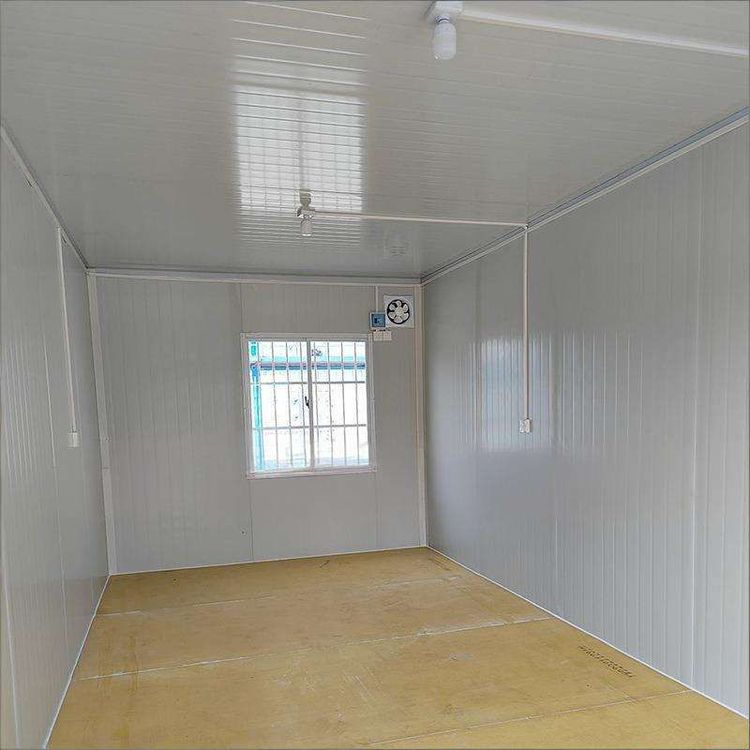
The steel frame of container houses provides higher strength and durability, with a frame deformation rate far below the industry threshold (e.g., only 0.18% for products from Suzhou Zhongnan). Integrated houses, if using light steel structures, are easier to disassemble and assemble, but their structural stability may decline over long-term use, with a typical number of repeated disassemblies and assemblies ranging from 8 to 15 times (e.g., over 15 times for products from Suzhou Zhongnan). Additionally, the thermal insulation performance of container houses varies greatly depending on the materials used, with low-end products requiring additional treatment; integrated houses can optimize insulation performance through modular design.
4. Design Flexibility and Customization
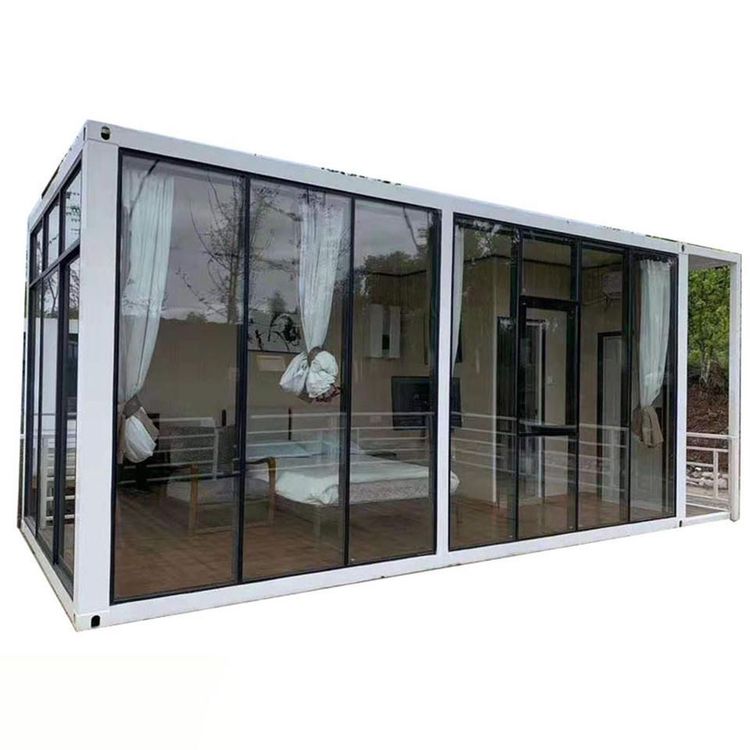
Container houses, based on standard containers, have limited modification flexibility. Although they can expand space through assembly, their forms are relatively simple. Integrated houses support high customization, incorporating elements such as glass curtain walls and irregular structures to meet the personalized needs of brand displays, cultural and creative parks, and other scenarios. For example, Suzhou Zhongnan's quick-assembly container products can be customized with curved walls and floor-to-ceiling glass windows, achieving an internal space utilization rate of over 90%.