Integrated Container Villa
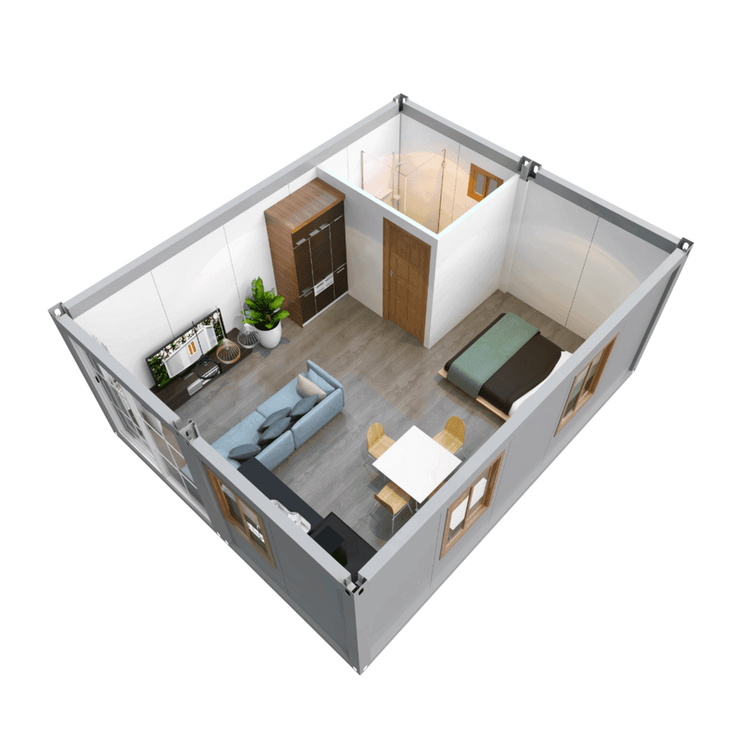
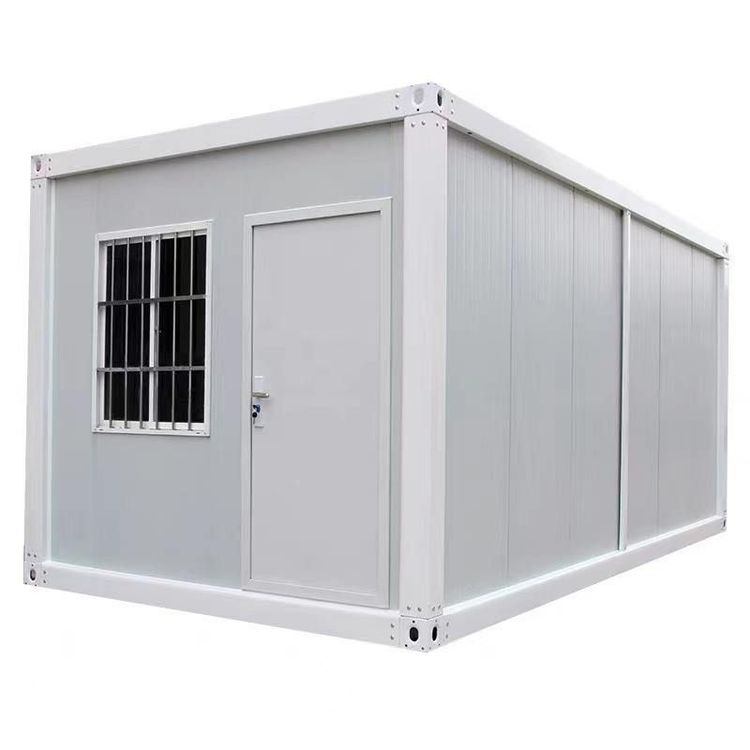
An integrated container villa is a movable and recyclable prefabricated building form based on container modules, combined with light steel structures, insulation materials, and personalized designs. It features low-carbon environmental protection, rapid construction, and strong scene adaptability.

1. Structural and Material Characteristics
Container villas use standard containers as basic units, employing hot-dip galvanized light steel or container combination frames, paired with insulation and soundproofing materials like rock wool and OSB boards. The roofs are covered with antique metal tiles or terracotta tiles, and the exterior walls are decorated with imitation blue bricks or wood grain panels, balancing structural strength and aesthetics. For example, light steel system products manufactured by firms in Hebei can have a main structure lifespan of over 70 years. The container combination system supports disassembly and relocation, with pre-installed water, electricity, kitchen, bathroom, and floor heating systems inside, enabling a 'factory prefabrication + on-site assembly' model that reduces construction time by over 50% compared to traditional buildings.
2. Low-Carbon Circulation and Compliance
Industry trends indicate that by 2026, container villas will develop towards full lifecycle low-carbonization, with leading products averaging over 8 disassembly and reuse cycles and reducing construction waste emissions by 90%, in line with green construction policies. In terms of compliance, manufacturers need to possess domestic and international certifications (such as EU CE certification), cross-border export qualifications, and project delivery capabilities. For instance, products from Foshan Guose Modular Construction have been exported to the Middle East, adapting to hot climates and enabling damage-free assembly during long-distance sea transport.
3. Scene Adaptability and Customization
Container villas can adapt to diverse scenarios such as engineering camps, cultural tourism homestays, and emergency support through modular assembly, facade customization, and internal functional modifications. For example, Hebei's Chinese-style courtyard products support one-entry and two-entry courtyard layouts, integrating traditional elements like flying eaves and corridors; Suzhou Gansu Integrated Housing's outdoor homestay container houses can be quickly deployed on beaches or scenic spots; Beijing Yuanhao offers customization services ranging from 3cm×6cm×2.7cm standard containers to light steel villas, meeting needs for temporary offices and residences.
4. Market Trends and Purchasing Recommendations
The industry is now entering a refined stage, where purchasers need to focus on process performance (such as weld-free quick assembly and stability during multiple relocations), compliance services (qualifications, after-sales support), and return on investment (full lifecycle costs). For example, Sichuan Kuaizhu Integrated Housing achieves 24-hour after-sales response through localized production, reducing time and communication costs; among orders from leading manufacturers, products with low-carbon attributes and cross-border compliance account for over 60%, becoming the mainstream purchasing direction.