
Integrated Container Housing
Integrated container housing is a livable or office building form converted from shipping containers as basic structural modules. It is eco-friendly, flexible, and low-cost, and is widely used across many fields.
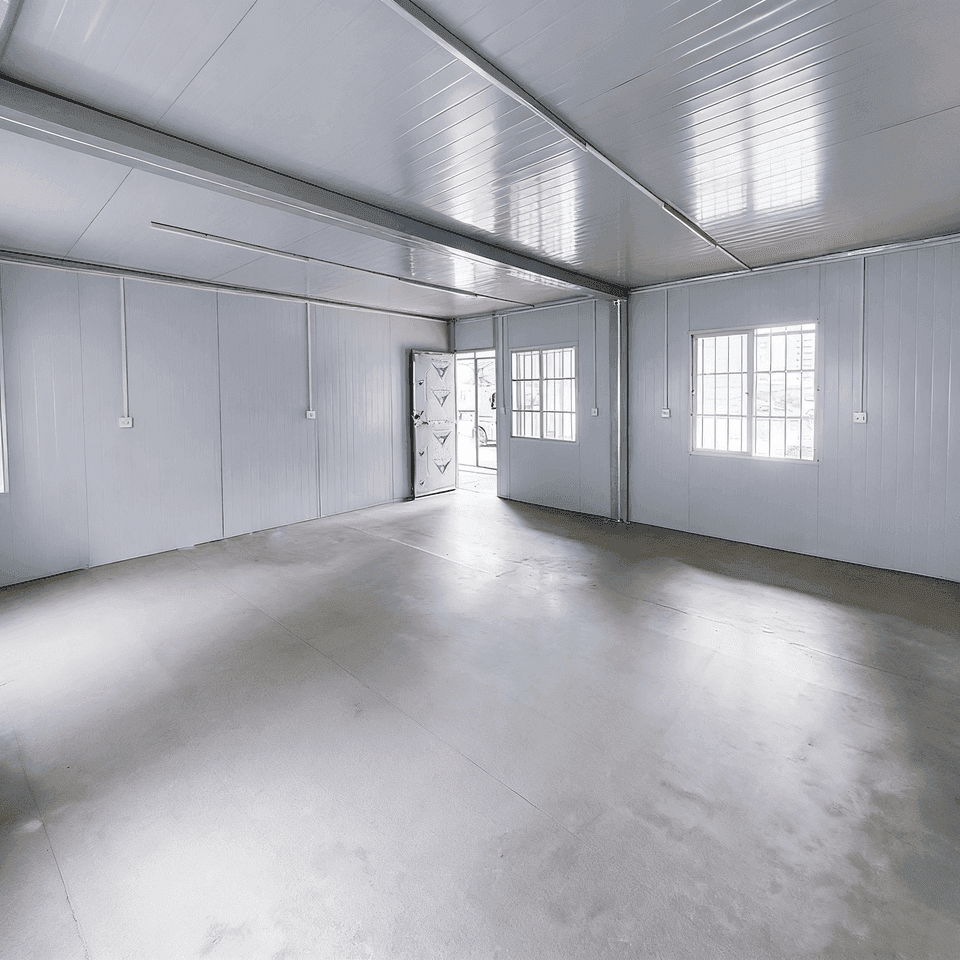
I. Basic definition and common uses Also called a container house or residential container, it uses a standard shipping container as the structural base and becomes a building unit through interior conversion (insulation, plumbing/electrical installation, door and window openings, etc.). Common uses include:
- Temporary housing: construction-site worker dorms, post-disaster emergency resettlement, rental housing, etc.—suited to short-term or temporary needs thanks to fast setup and strong mobility.
- Creative spaces: such as the container guesthouse scenic area in Shanting District, Zaozhuang, Shandong, forming distinctive lodging through modular combinations.
- Emergency facilities: in healthcare, container houses can rapidly become temporary hospitals or testing points—for example isolation wards or vaccination sites during the pandemic.
- Commercial innovation: some brands convert them into 24-hour self-service fitness pods, cafés, and more, exploring new business models.
II. Typical cases and technical applications
- Large-event use: the 2026 Nagoya Asian Games in Japan used container houses for the Athletes' Village; despite controversy over budget overruns and space, they showed potential to cut large-event costs.
- Technical improvement directions: Thermal performance: add rock wool, polyurethane, and other insulation to raise indoor comfort. Energy supply: integrate solar panels and storage for off-grid power. Smart management: equip IoT devices for remote monitoring of temperature, humidity, energy use, and more.
III. Market types and price factors Market types of integrated container housing are diverse, including:
- Movable single-/two-story prefab houses (for site offices or dorms);
- Export custom container houses (meeting international shipping standards for cross-border projects);
- High-end custom guesthouses or commercial spaces (emphasizing design and function).
Price is strongly affected by material (steel, aluminum, etc.), size (standard 20-ft or 40-ft containers), and features (whether plumbing/electrical and finishes are included), with large differences. For example, a basic site-dorm container may cost only several thousand USD, while a high-end custom guesthouse unit may exceed $13,889.
IV. Advantages and limitations Advantages: eco-friendly (recyclable), flexible (modular combinations), low cost (vs. traditional buildings), fast deployment (hours to days to complete). Limitations: limited space (standard container clear height about 2.3 m), insufficient long-term living comfort, and in some regions temporary-building approval procedures are required.



