
Installation of Mobile Toilets Upstairs
Installing mobile toilets upstairs is generally illegal, mainly involving the following aspects:
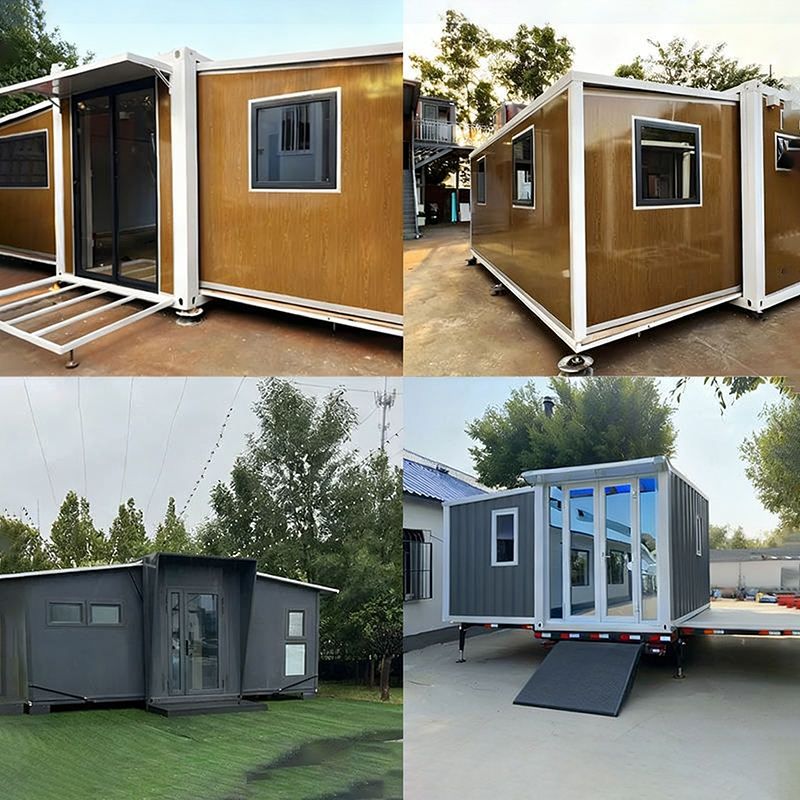
Violation of the 'Measures for the Administration of Interior Decoration and Renovation of Residential Buildings'
According to Article 5 of the 'Measures for the Administration of Interior Decoration and Renovation of Residential Buildings', interior decoration and renovation activities in residential buildings prohibit converting rooms or balconies without waterproof requirements into bathrooms or kitchens. If the original room does not have waterproof requirements, installing a mobile toilet by the upstairs resident directly violates this regulation. Since bathrooms are areas with frequent water usage, they have extremely high waterproofing requirements. Rooms without a waterproof foundation cannot meet this need and will bring many hidden dangers.
Impact on Building Structure and Safety
The unauthorized installation of a mobile toilet often involves operations such as wall removal, relocation, or modification of water supply and drainage pipes. If these changes are made without a design plan proposed by the original design unit or a design unit with the corresponding qualification level,擅自变动建筑主体和承重结构 (unauthorized alteration of the main building structure and load-bearing components) is illegal. Moreover, the high humidity and high water consumption characteristics of bathrooms require proper waterproofing. If the waterproofing is not done properly, it can easily lead to water seepage and mold on the ceiling and walls downstairs. Over time, this can affect the structural safety of the entire building and shorten its service life.
Impact on Adjacent Rights and Legal Liability
The unauthorized installation of a mobile toilet by the upstairs resident may infringe on the adjacent rights of the downstairs resident. For example, it increases the risk of water seepage and affects the normal life of the downstairs resident. The downstairs resident has the right, in accordance with relevant laws, to request the upstairs resident to stop the infringing act and restore the original state. For losses caused to the downstairs by the installation of the mobile toilet, the downstairs resident can also request compensation from the upstairs resident. If the renovation activities cause damage to adjacent residences, the renovator is also required to bear the responsibility for repair and compensation.
Other Relevant Legal Provisions
Article 272 of the 'Civil Code of the People's Republic of China' stipulates that owners have the right to possess, use, benefit from, and dispose of their exclusive parts of the building. However, owners must not endanger the safety of the building or harm the legitimate rights and interests of other owners when exercising their rights. Article 11 of the 'Regulations on the Safety Management of Houses in Changsha' stipulates that persons responsible for the safe use of houses must not擅自实施影响房屋安全的行为 (unauthorizedly carry out acts that affect the safety of the house), such as cutting or enlarging holes in the floor structure layer of the house. The installation of a mobile toilet may involve such violations.



