
Installation of Mobile Toilets in Tong'an Scenic Area
The installation of mobile toilets in Tong'an Scenic Area requires integration with the actual needs and planning of the scenic area, achieving efficient allocation through scientific surveys, reasonable design, standardized construction, and operation and maintenance management.
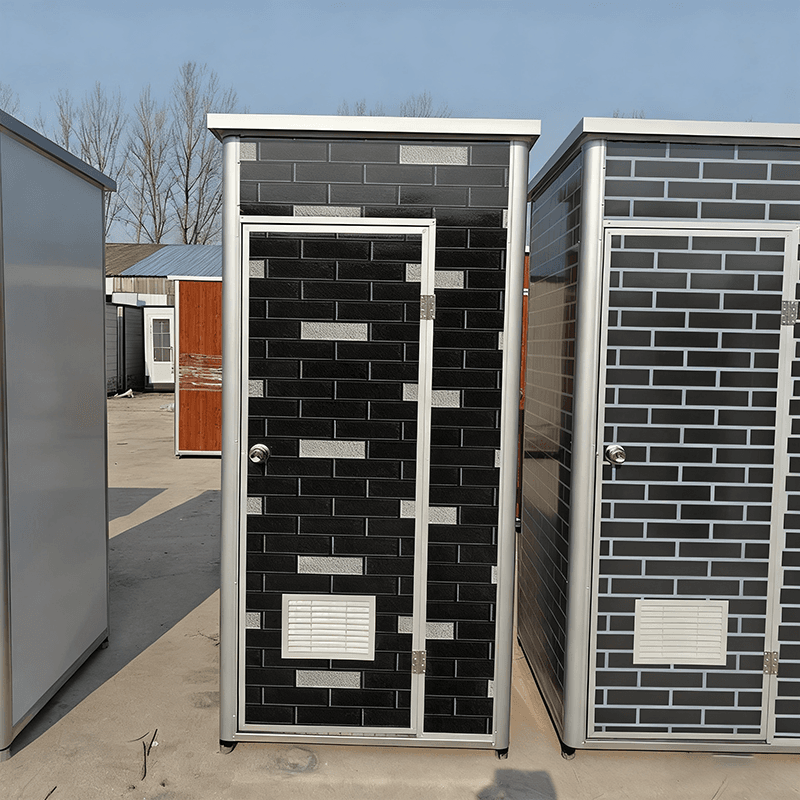
I. Pre-installation Preparation: Site Survey and Plan Formulation
Before installing mobile toilets, a comprehensive survey of the scenic area is necessary, focusing on evaluating geological conditions, water and electricity supply, sewage disposal routes, and transportation paths. For example, if the geology of the scenic area is soft, the foundation needs to be reinforced or a skid-mounted chassis selected; if water and electricity access is difficult, independent water tanks or solar power systems need to be configured. At the same time, the location of the toilets should be determined in conjunction with the scenic area's planning to avoid damaging sensitive landscape areas. Through demand calculations, the number of toilets, types (such as gender ratios, barrier-free facilities), and capacity should be clarified, forming a detailed plan that includes layout diagrams, material lists, and construction steps.
II. Installation Process: Structural Assembly and Component Configuration
The main structure of mobile toilets is mostly made of light steel, anti-corrosion wood, or metal composite panels, enabling rapid installation through prefabricated structures. The common process includes:
- Foundation Construction: Position according to the chassis type (trailer, skid-mounted, or fixed base) to ensure level and stability;
- Main Body Assembly: Install side panels and door panels sequentially and fasten the buckles to form an enclosed space;
- Component Installation: Equip with tissue dispensers, urinals, squat toilets, or sit toilets, and connect water and electricity pipes (omitted if independent);
- Function Debugging: Check whether the ventilation system, lighting equipment, and sewage valves are functioning properly.
III. Operation and Maintenance Management: Functional Guarantee and Landscape Coordination
- Daily Maintenance: Regular cleaning and disinfection are required, along with checks on anti-freezing measures (in northern regions), anti-odor measures (ventilation design), anti-insect measures (sealing treatment), and anti-corrosion measures (material weather resistance);
- Sewage Treatment: Clarify the sewage removal process (such as regular pumping) or on-site treatment methods (such as biodegradation technology) to avoid environmental pollution;
- Personnel Training: Train management personnel in equipment operation, emergency handling, and hygiene standards;
- Landscape Integration: In sensitive areas, reduce visual incongrity by using low-saturation colors, natural materials (such as wood grain finishes), or green plant screening, ensuring the toilets harmonize with the surrounding environment.
Through the above steps, mobile toilets can achieve the core advantages of being "transportable, installable, adjustable, and reusable" while meeting the functional needs and ecological protection goals of the scenic area.



