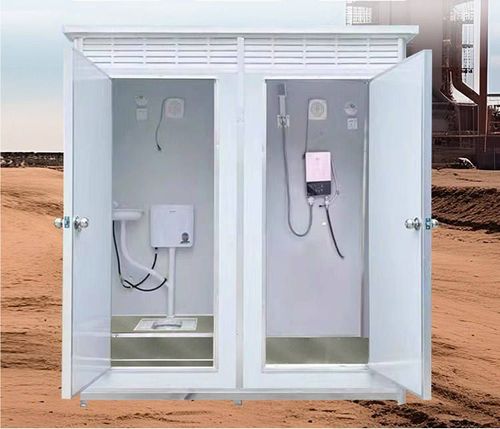
Inner Mongolia Mobile Toilet Production
The production of mobile toilets in Inner Mongolia requires comprehensive consideration of treatment systems, wall structure materials, ventilation and deodorization systems, and other design points, as detailed below:

I. Treatment System Selection
- Flush Type: Integrates a water tank and sewage tank, using high-pressure pneumatic or electric water pumps to reduce water consumption per flush, suitable for scenarios with relatively abundant water resources and high hygiene requirements.
- Foam Sealing Type: Covers the toilet surface with special foam generated by a foam generator, lubricating and isolating odors. It requires addressing the issue of foam liquid flowability at low winter temperatures, suitable for arid or cold regions.
- Microbial Degradation Type: Utilizes aerobic microbial communities to decompose excreta into water vapor, carbon dioxide, and inorganic salts. It requires heating devices (to maintain 20-40°C) and stirring systems (to ensure oxygen supply), suitable for remote areas without sewage pipelines.
- Packaging Type: Packages feces with biodegradable film and automatically seals it, requiring no water flushing. It automatically alerts when plastic bags are depleted, suitable for water-scarce or temporary use scenarios.
II. Wall Structure Materials
- Fiberglass Reinforced Plastic (FRP): Molds quickly, is lightweight, and has good thermal insulation properties, suitable for standardized mass production. However, it has relatively weak corrosion resistance and requires regular maintenance.
- Stainless Steel: Has high structural strength and strong corrosion resistance, suitable for public environments or scenarios frequently using chemical disinfectants, but with higher costs.
III. Ventilation and Deodorization Systems
Adopts top exhaust and bottom intake to form directional airflow, treating air through activated carbon filtration or ultraviolet photolysis deodorization equipment. It requires clear labeling of exhaust fan static pressure, air volume parameters, and filter replacement cycles (e.g., activated carbon replaced every 3-6 months) to ensure long-term effective operation.
IV. Other Design Points
- Structural Self-Supporting System: Uses cold-formed steel as the main load-bearing component, connecting frame nodes with bolts to achieve mechanical balance.
- Wind Resistance Fixing: Pre-drills anchor bolt holes for connection with concrete foundations or uses weighted bases (utilizing the self-weight of water/sewage tanks) to enhance anti-tipping capabilities.
- Thermal Bridge Effect Treatment: Lays polyurethane insulation layers between frames and panels, using rubber gaskets at connections to break thermal bridges and reduce heat loss.
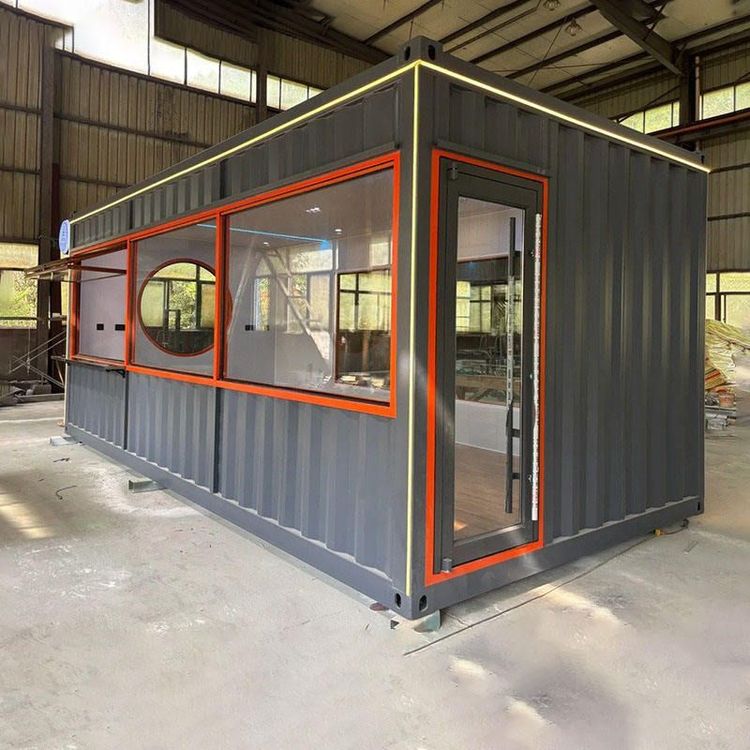
- Modular Production: Components are prefabricated in factories (with size limitations due to highway transportation, width ≤ 2.5 meters, length ≤ 6 meters, height ≤ 3.2 meters), and on-site connections of water and electricity pipelines are made through quick connectors, with installation time ≤ 4 hours.
When producing, it is necessary to select appropriate solutions based on usage scenarios (such as climate, water sources, and usage frequency) and strictly adhere to modular production and installation specifications to ensure the stability, durability, and environmental friendliness of the toilets.