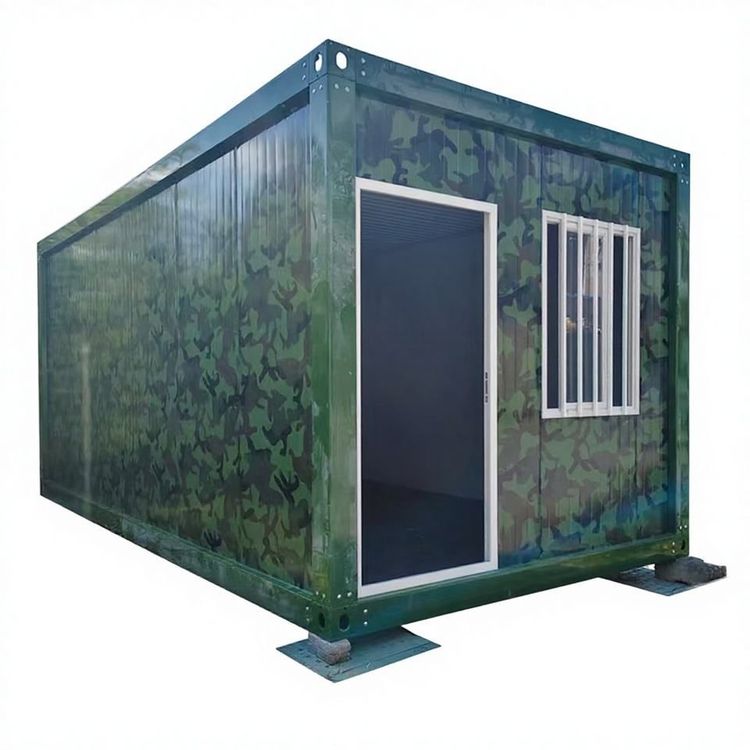
Inner Mongolia Luxury Mobile Toilet
The Inner Mongolia luxury mobile toilet is a high-end product that integrates architectural design, regional culture, and environmental protection technology to meet the needs of special environments.

Performance Requirements in Special Environments
Inner Mongolia has a vast territory and diverse climates, imposing stringent performance requirements on mobile toilets. In winter, extreme low temperatures in some areas can reach -40℃, while intense sunlight in summer demands excellent thermal insulation, freeze resistance, and anti-aging properties. Meanwhile, the region is home to numerous grasslands, lakes, and nature reserves, with sensitive ecological protection needs, imposing strict environmental red lines on sewage discharge and waste disposal. Additionally, the tourism season is concentrated, with explosive growth in tourist numbers during peak seasons and long-term idleness during off-seasons. Therefore, the product must combine durability under high-frequency use with low maintenance costs.
Diversified Form Designs
Traditional simple color-steel-house-style toilets are gradually being phased out, and high-end mobile toilets in Inner Mongolia now feature diverse forms, such as antique-style, apple-pod-style, container-style, and prefabricated-style toilets. These products not only meet high sanitation standards but also serve as landscape nodes that enhance the environment, becoming integral parts of scenic area images, urban landscapes, and even commercial spaces.
Excreta Treatment Systems
- Water-flushing system: Its working principle is similar to that of traditional flush toilets. The water tank and sewage tank are integrated inside the toilet body, equipped with large-capacity freshwater tanks and sewage collection tanks. High-pressure pneumatic or electric water pumps are used to reduce the water consumption per flush and extend the service cycle per charge.
- Foam-sealing system: Foam containing special surfactants is applied to the surface of the toilet bowl, providing lubrication and odor isolation while reducing water consumption. Manufacturers in Baotou need to address the stability and fluidity of the foam liquid formula under different seasonal conditions, especially in low temperatures during winter.
- Microbial degradation system: The toilet interior serves as a bioreactor, where specially cultivated microbial communities decompose excreta into water vapor, carbon dioxide, and a small amount of inorganic salt residues under aerobic conditions. The tank is equipped with a heating device and a stirring system to control the temperature between 20 - 35℃ and ensure oxygen supply to maintain microbial activity.
Wall Structure and Ventilation & Deodorization
In Baotou, fiberglass-reinforced plastic (FRP) or stainless steel are commonly used as the main wall materials. FRP offers fast mold forming, light weight, and good thermal insulation, making it suitable for standardized mass production. Stainless steel provides high structural strength and strong corrosion resistance, making it ideal for public environments or scenarios with frequent use of chemical disinfectants. The ventilation and deodorization system combines top exhaust with bottom air intake to create a directional airflow, which is then treated and discharged through activated carbon filtration or ultraviolet light deodorization equipment. Some mobile toilets are also equipped with solar panels, such as those installed by Dezhou Hongtu Metal Products Co., Ltd. for customers in Inner Mongolia.