Industrial Portable Toilet
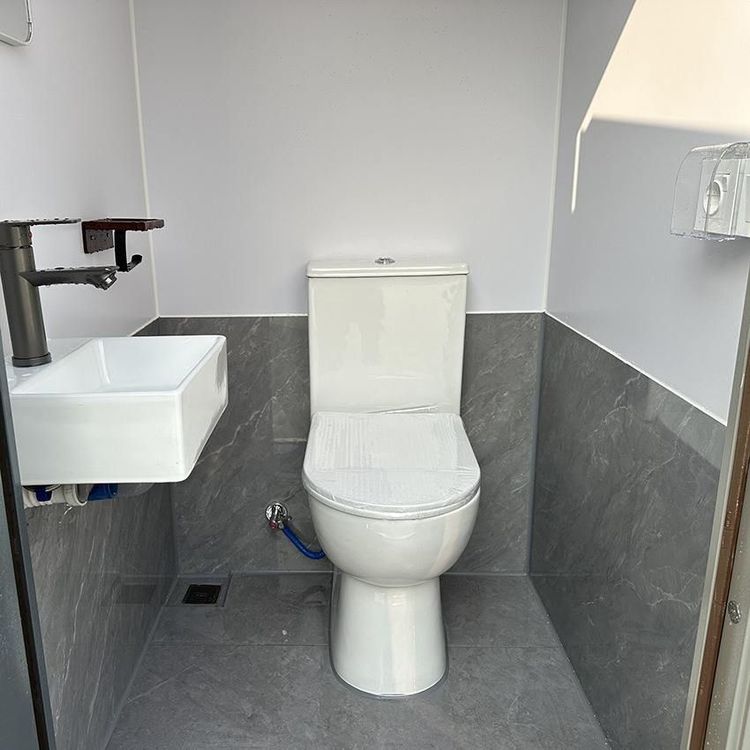
Industrial portable toilets are portable sanitation facilities specifically designed for factories, construction sites, and other locations. They feature mobility, modularity, ease of transportation, and reusability, significantly enhancing operational efficiency and hygiene levels in work environments.
I. Core Design Principles and Structural Features
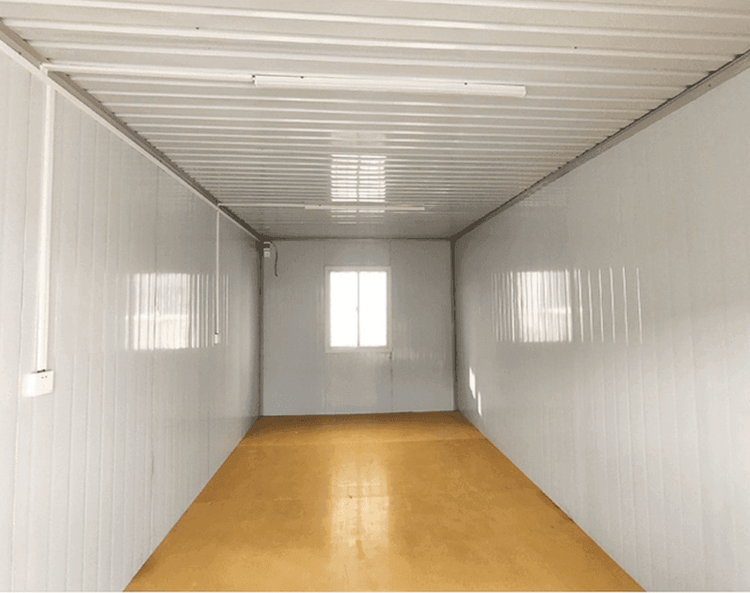
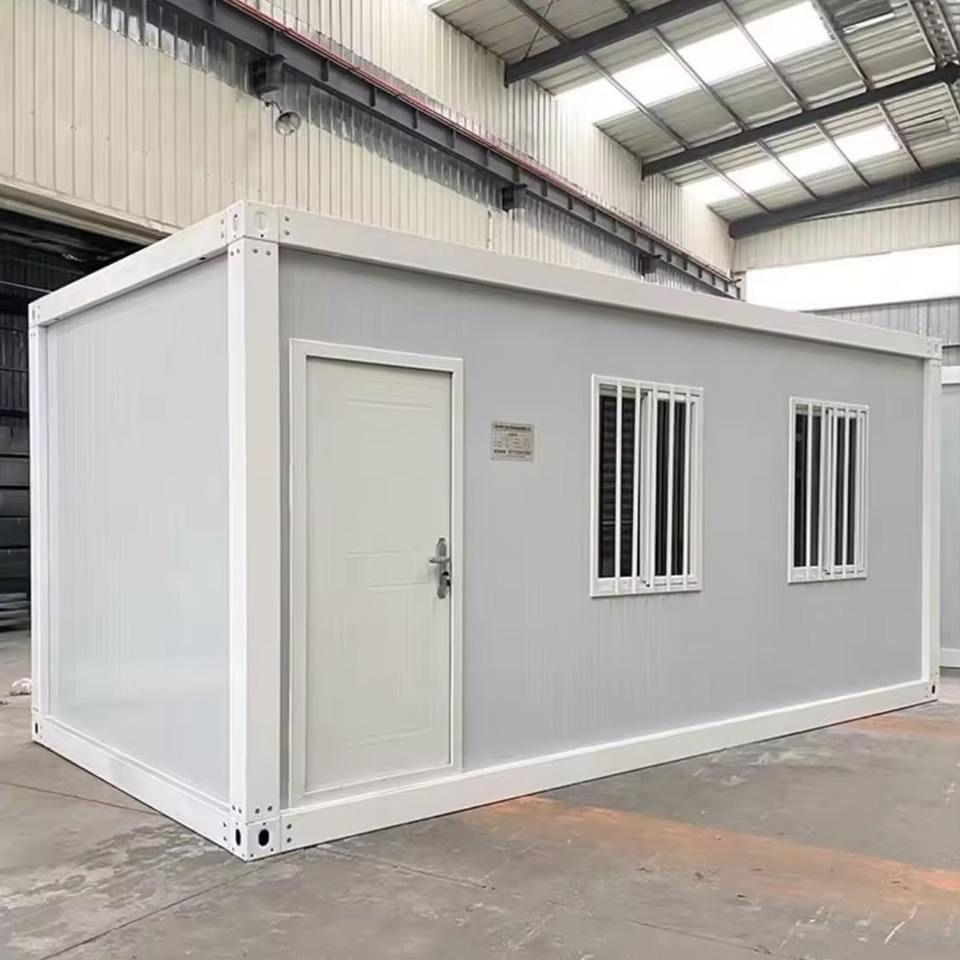
The design of industrial portable toilets adheres to the principles of cost-effectiveness, durability, and environmental sustainability. The overall structure employs lightweight materials (such as metal carved panels) and modular design, balancing portability and sturdiness. Their mobile units (e.g., trailer chassis or detachable brackets) are reasonably arranged for quick assembly, disassembly, and transportation, accommodating both temporary and long-term use across various sites. Some products operate within a temperature range of -25°C to 40°C and require a 220V power supply, meeting the climatic and energy conditions of most industrial settings.
II. Functional Types and Suitable Scenarios
Based on treatment technologies and usage requirements, industrial portable toilets are categorized as follows:
- Waterless Packing Portable Toilets: Collect waste in biodegradable plastic bags, eliminating the need for water and sewage pipelines, ideal for water-scarce or remote construction sites.
- Foam-Sealed Portable Toilets: Use foaming agents to cover waste surfaces, blocking odors and reducing flushing water volume, offering significant water conservation.
- Water-Flush Portable Toilets: Equipped with water storage tanks and simple sewage systems, requiring regular water replenishment and waste removal, providing superior hygiene conditions suitable for factories with ample water supply.
- Solar-Powered Portable Toilets: Integrate solar panels for power, supporting lighting, ventilation, and other functions, reducing energy consumption, and suitable for long-term outdoor operations.
- High-Pressure Air-Water Flush Portable Toilets: Combine high-pressure air with a small amount of water for flushing, conserving water while maintaining strong cleaning power, suitable for high-traffic areas.
III. Customization and Practical Application Advantages
Industrial portable toilets support customization on demand, such as adjusting the number of stalls based on the gender ratio of factory employees (e.g., a Zhejiang client customized 7 male stalls and 1 female stall). Their application offers the following benefits:
- Time Savings: Workers no longer need to travel to distant fixed toilets, reducing toilet breaks and enhancing work efficiency.
- Environmental Improvement: Minimizes open defecation, lowering disease transmission risks and optimizing construction or production environments.
- Flexible Deployment: Can be relocated with project progress, avoiding repeated construction costs, particularly suitable for temporary projects.
IV. Material and Brand Selection
Some products use metal carved panels as exterior materials, offering corrosion resistance, thermal insulation, and impact resistance, extending service life. Well-known brands in the market, such as Qiantong, provide a variety of models and after-sales services, allowing users to choose based on budget and functional requirements.
In summary, industrial portable toilets, through modular design, diverse functions, and customized services, serve as efficient and eco-friendly sanitation solutions in industrial settings.