
Indoor Rectangular Mobile Toilet
An indoor rectangular mobile toilet is a public sanitation facility that achieves flexible deployment through modular design, suitable for temporary or crowded scenarios, featuring durability, easy maintenance, and customization.
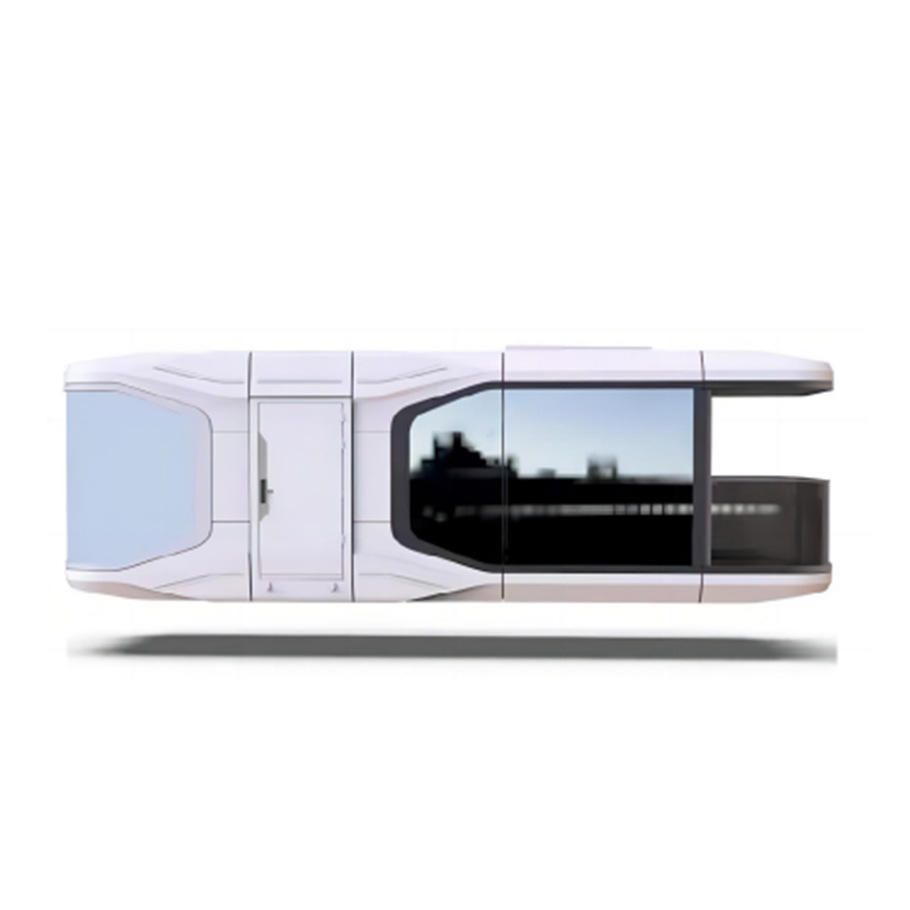
Structural Composition and Material Characteristics
The main frame is welded from high-strength steel, supporting the box and distributing pressure to ensure no deformation during long-term use. The box is welded to form a closed space, with the interior floor made of slip-resistant and wear-resistant materials, reducing the risk of slipping during rainy days or cleaning. The exterior walls are covered with waterproof and corrosion-resistant materials, capable of withstanding rain erosion and humid, dusty environments, extending the equipment's lifespan.
Technical Principles and Functional Implementation
Its 'mobility' stems from modular design, with components such as the box, sewage system, and ventilation device being detachable and assemblable. During transportation, the entire unit is moved and quickly assembled upon arrival. There are two types of sewage disposal: direct discharge, which requires connection to underground sewage pipes and is suitable for long-term fixed use, and fecal storage, equipped with a sealed fecal tank that is regularly emptied by specialized vehicles, offering greater flexibility. The ventilation system reduces internal odors through natural convection or small fans, enhancing the user experience.
Usage Scenarios and Customization Advantages
The rectangular design has become mainstream due to its high space utilization, with an adjustable interior layout that can include additional independent stalls, barrier-free facilities, or baby-changing stations to meet the needs of different groups. In terms of customization, users can choose parameters such as material (e.g., high-quality steel), color, and size, and even integrate additional functions like solar power supply and smart sensor flushing. For example, scenic spots prefer an appearance that blends with nature, while construction sites focus on durability and quick cleaning capabilities.
Durability and Maintenance Points
The high-strength steel frame and corrosion-resistant materials can withstand daily wear and extreme weather, but regular maintenance is required: checking for cracks in welded areas, cleaning debris from the floor's slip-resistant grooves, and testing the ventilation system for smooth operation. Fecal storage toilets need to have their fecal tanks emptied according to capacity to prevent overflow or corrosion of internal structures. A comprehensive after-sales system can provide repair parts and technical support, reducing long-term usage costs.
Industry Experience and Selection Advice
When selecting, it is necessary to comprehensively consider usage scenarios, budget, and functional requirements: for short-term events, a basic model can be chosen, while for long-term projects, a customized reinforced structure is recommended; rainy areas should focus on waterproof performance, and high-traffic scenarios should increase the number of stalls. Prioritize companies with rich industry experience, as their design solutions are more mature, material selection and installation processes are more standardized, reducing later issues. Additionally, readily available inventory and a quickly responsive after-sales team are key to ensuring usage efficiency.



