Indoor Prefabricated Housing
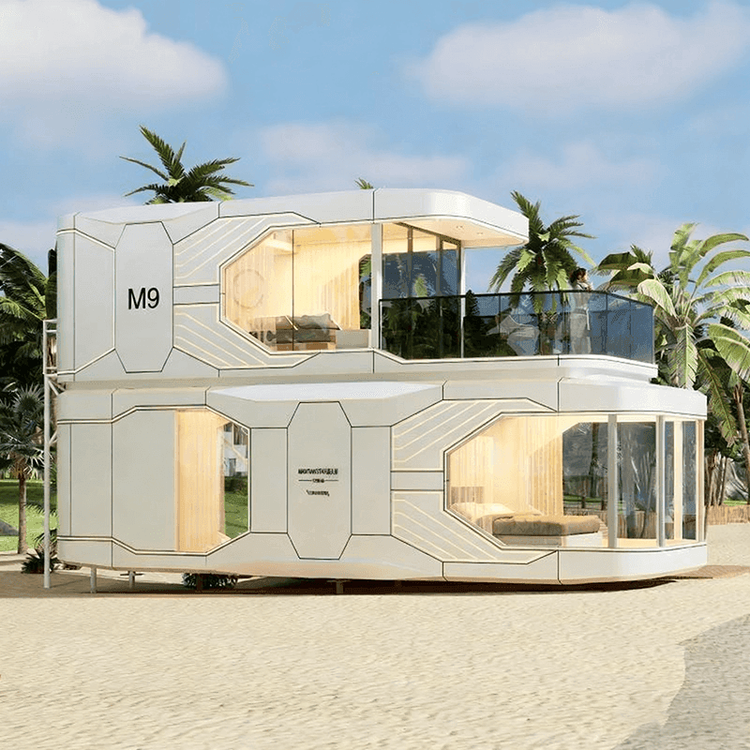
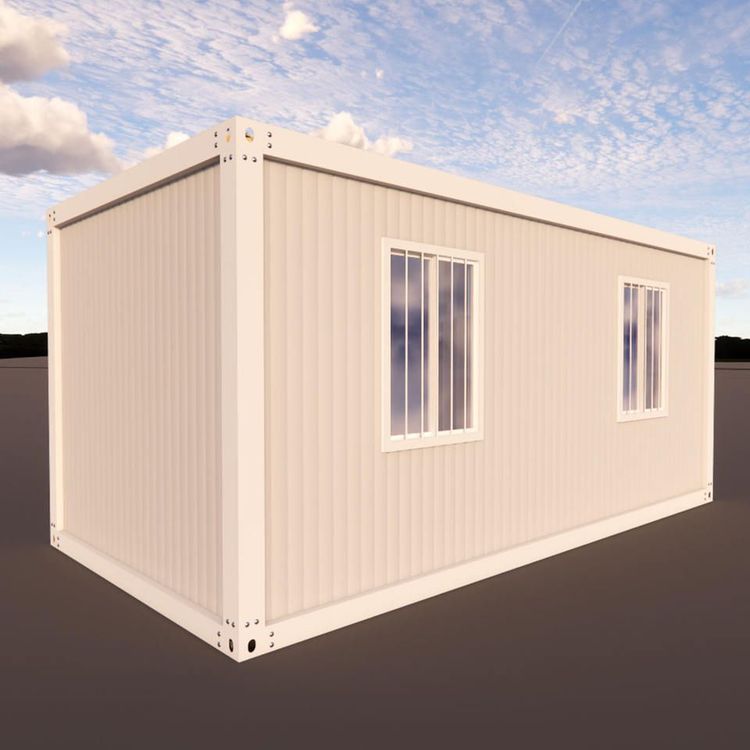
Indoor prefabricated housing is a form of construction that involves industrial production of building components and on-site assembly, offering advantages such as modularity, rapid assembly, low cost, and environmental friendliness.

Core Features and Production Process
Indoor prefabricated housing divides a house into independent modules (such as structure, walls, utilities, and interior decoration), which are prefabricated and inspected in a factory before being transported to the site for assembly. For example, a 70-square-meter, two-bedroom, one-living-room fully furnished house exported from China can be quickly assembled on-site, including facilities such as cabinets, toilets, showers, water heaters, electrical outlets, and reserved positions for split-type air conditioners, allowing occupancy once utilities are connected. Technologically, it covers prefabricated concrete structures and steel structures, with components including prefabricated beams, slabs, walls, and columns, reducing construction time by 30%-70% compared to traditional methods.
Modular Design and Flexibility
Modular design is one of the core advantages of prefabricated housing, allowing indoor spaces to be flexibly combined according to needs. For example, by adjusting the number or layout of modules, rapid switching between different housing types or functional areas can be achieved. However, it is important to note that the connection strength and integrity between modules are key technical points. For instance, in a Korean case, secondary grouting and reinforced concrete pouring were used to enhance structural stability, ensuring the house's earthquake resistance and durability.
Cost and Environmental Advantages
Prefabricated houses produced in China are popular overseas due to their cost advantages. Taking the US market as an example, their prices are only 1/3 to 1/5 of those of traditional self-built houses, mainly due to reduced labor and material costs from industrial production. Meanwhile, the environmental benefits of prefabricated housing are significant, with construction waste reduced by over 70% and lower noise and dust pollution during construction. For example, in the first four months of 2026, the export value from the Guangzhou Customs area reached 1.4 billion yuan, a year-on-year increase of 38.1%, reflecting strong market demand for prefabricated housing.
Technical Challenges and Solutions
Prefabricated housing needs to address the issue of component connection strength. For example, steel structure modules require high-strength bolts or welding for fixation, while concrete structures require reserved reinforcement bars and on-site pouring for connection. Additionally, component protection during transportation (such as preventing deformation and damage) and precision control during on-site assembly (such as levelness and perpendicularity) are also critical aspects.
Application Scenarios and Market Prospects
Prefabricated housing is suitable for scenarios such as temporary housing, post-disaster reconstruction, and tourist resorts, especially for projects sensitive to construction time and cost. With technological advancements and increased standardization, its application scope is expanding from low-rise buildings to multi-story residential buildings, indicating significant market potential.