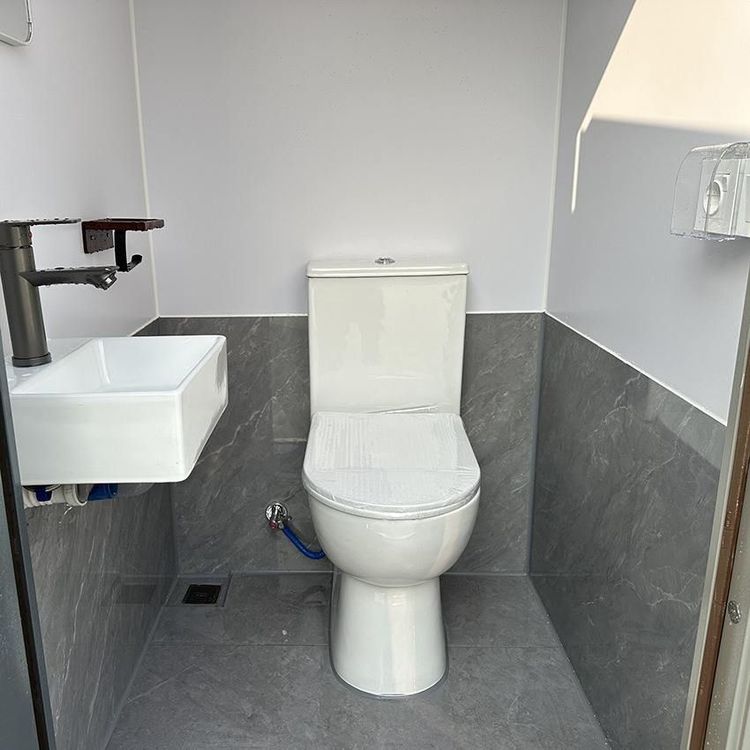
Indoor Portable Toilet
An indoor portable toilet typically refers to an indoor portable commode or a dual-purpose indoor portable toilet seat, with core features of portability, light weight, and ease of cleaning, suitable for various scenarios such as home and outdoor use.

1. Material and Design Features
Indoor portable toilets are mostly made of high-quality resin, plastic, or lightweight alloys, ensuring that the products are sturdy, durable, and relatively light in weight, facilitating easy handling and storage. Some models are equipped with ergonomic seats that conform to the body's curves, enhancing user comfort, especially suitable for the elderly, children, or those with mobility issues for use beside the bed. Their design usually emphasizes simplicity and functionality, with details such as detachable toilet bowls and non-slip bases, making daily cleaning convenient and reducing usage risks.
2. Usage Scenarios and Functional Extensions
- Home Scenarios: As a supplement to traditional toilets, indoor portable toilets can be placed in bedrooms, living rooms, and other areas to meet nighttime or temporary toilet needs, reducing reliance on fixed bathrooms.
- Outdoor Scenarios: Some products have dual-purpose functions, such as being compatible with dedicated storage bags or sealing devices, suitable for camping, road trips, and other scenarios, addressing outdoor excretion issues.
- Special Needs: For post-operative rehabilitation patients or those with mobility impairments, the portability of portable toilets makes them auxiliary care tools. Some models are also equipped with handrails or anti-tipping designs to enhance safety.
3. Differences from Public Portable Toilets
In a broad sense, portable toilets include movable public facilities (such as container-style toilets at stations and scenic spots), which have complex structures including fecal storage tanks, walls, ventilation systems, and moving devices, requiring hoisting or towing for transportation. In contrast, indoor portable toilets focus on lightweight and no installation requirements, usually not involving sewage pipe connections, only requiring regular cleaning of the toilet bowl or replacement of sealing bags, with lower maintenance costs.
4. Purchase Recommendations
When choosing an indoor portable toilet, pay attention to material safety (such as odorlessness, aging resistance), load-bearing capacity (suitable for the user's weight), and cleaning convenience (such as detachable parts, smooth inner walls). If used outdoors, additionally confirm sealing performance and portability to avoid leakage or handling difficulties.