
Indoor Mobile Toilet Product Introduction
Indoor mobile toilet products come in a variety of types with flexible designs, meeting the needs of different scenarios and user groups.
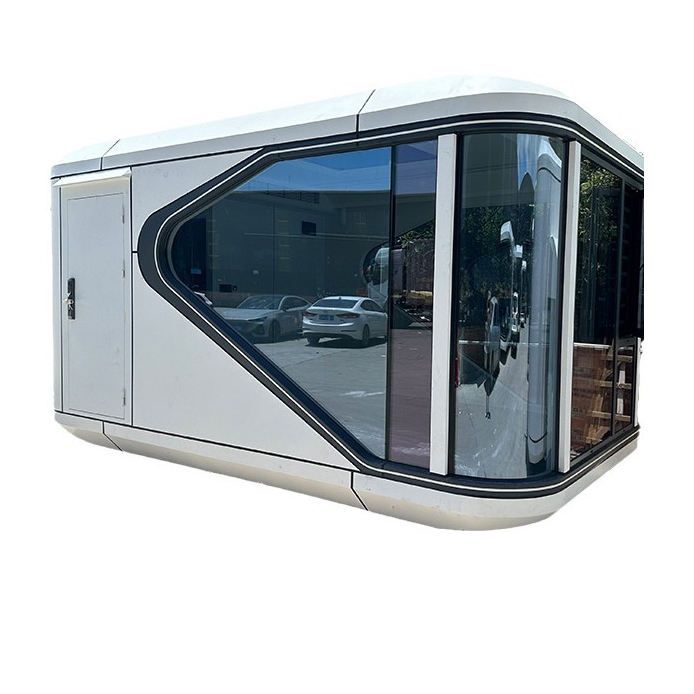
I. Mobile Toilets Retrofitted from Water Storage Tanks
These mobile toilets are retrofitted based on water storage tanks. By splitting the tank vertically, universal wheels are fixed at the bottom for mobility, and door frames, walls, and roofs are installed on top to form an enclosed space. Inside, they are equipped with drainage pipes, toilets (mostly simple squat or sit toilets), and water tanks. Some models can be connected to external water sources or are equipped with water storage tanks. Their core advantages are low cost and easy assembly, making them suitable for temporary events, construction sites, or remote areas. However, they require regular cleaning of the fecal sewage storage tank, and their odor control performance depends on the sealing design.
II. Mobile Toilets for the Elderly
Designed specifically for the elderly, these toilets feature a bench-style flip-top structure. The seat height is typically 45-50 centimeters, conforming to ergonomic principles and reducing knee pressure during use. The flip-top design effectively isolates odors, and some models are equipped with splash guards. Cleaning is flexible; thick garbage bags can be directly used to avoid direct contact with excrement, reducing cleaning difficulty. Suitable scenarios include homes with limited bedroom, living room, or bathroom space, especially for post-operative rehabilitation or those with mobility issues.
III. Multi-functional Mobile Toilets
The functions of products on the market continue to be upgraded, with common types including:
- Foldable Type: Made of lightweight materials (such as aluminum alloy frames + plastic panels), they fold to a thickness of less than 20 centimeters, facilitating storage or portability, suitable for small apartments or travel.
- Type with Handrails: Handrails with adjustable heights are installed on both sides, providing support for getting up and reducing the risk of falls, suitable for people with osteoporosis or poor balance.
- Shower-Integrated Type: Equipped with a simple shower device, waterproof curtains, and drainage floor drains, they can meet the needs of local cleaning after using the toilet, suitable for disabled elderly or post-operative care scenarios.
Purchase Considerations:
- Hygiene Design: Prioritize models that can use garbage bags to reduce cleaning frequency; check the sealing at the contact point between the toilet and the floor to prevent leakage.
- Material Safety: The seat should be made of antibacterial materials (such as PP plastic), and the handrails should be non-slip and capable of bearing the specified weight (usually ≥100 kilograms).
- Auxiliary Functions: Choose models with backrests, adjustable heights, or night lights according to needs to enhance comfort.
Structural Composition:
Mobile toilets typically include fecal sewage storage tanks (or disposal devices connected to septic tanks), non-slip flooring, sanitary ware (toilets/squat toilets), lightweight walls (PVC panels or color-coated steel plates), washing equipment (simple sinks), water tanks, and roofs (waterproof tarpaulins or metal canopies). Some high-end models are also equipped with ventilation systems or smart sensor flushing devices.



