Indoor Mobile Toilet
Indoor mobile toilets (portable restrooms) are facilities that can be moved as a whole, providing restroom services for the public and customers. They are suitable for various venues and come in diverse materials, structures, and treatment methods.
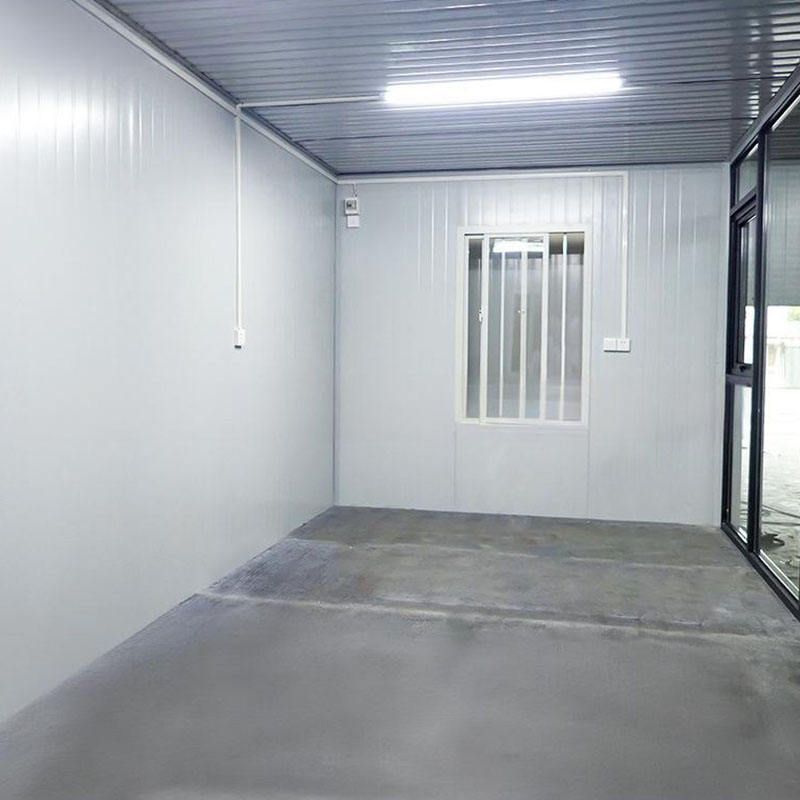
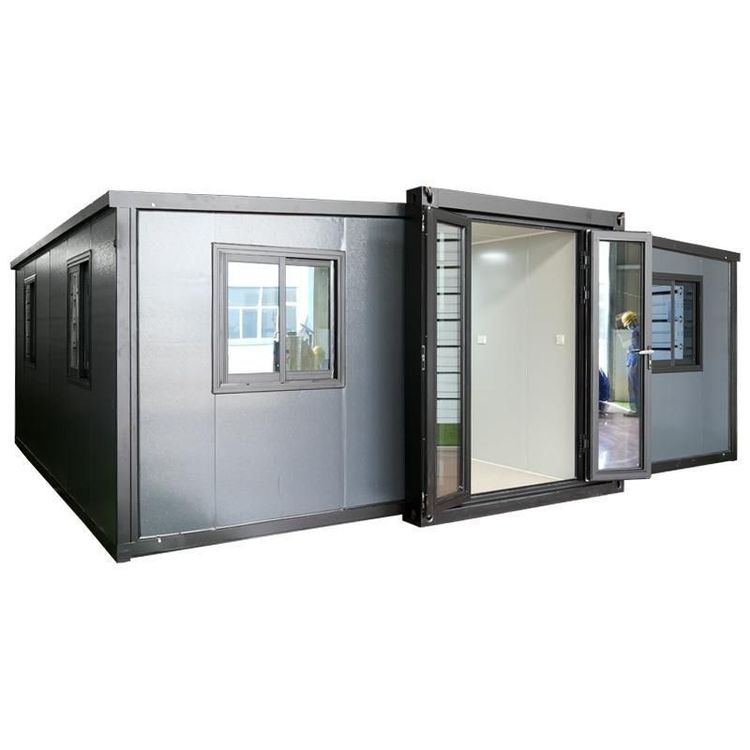
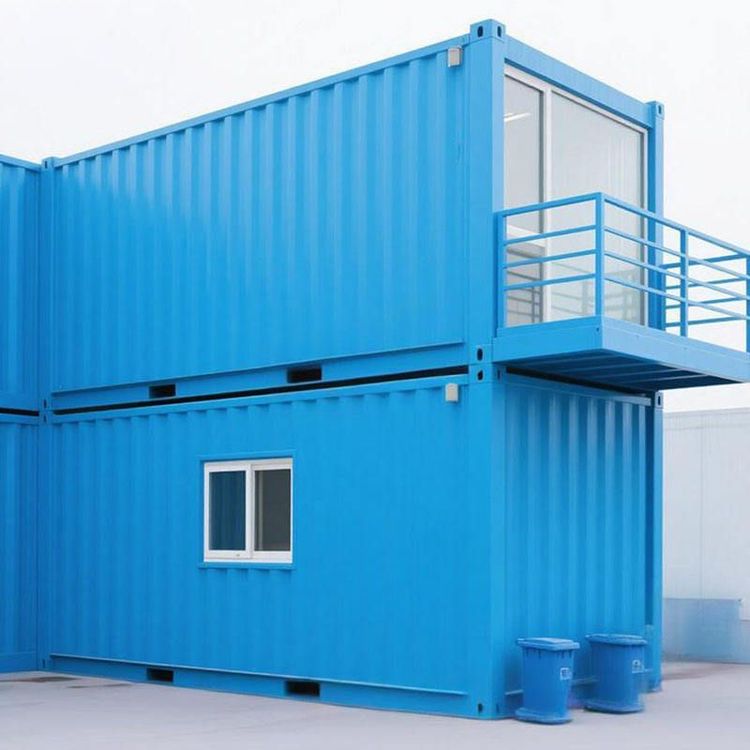
Materials and Appearance: Indoor mobile toilets are made from a wide range of materials, including steel structures, color-coated steel, metal, and plastic. Taking metal materials as an example, some products use gray and white metal carved panels. This material not only provides thermal insulation but also has corrosion-resistant properties. In terms of appearance design, practicality and aesthetics are fully considered. There are separate entrance doors for men's and women's restrooms to facilitate use by different genders. The front wall is equipped with sliding windows, which ensure ventilation and allow natural light to enter, making the interior environment brighter and more comfortable. The design of stone wall lamps adds to the aesthetics and also provides lighting at night. The toilet compartments usually adopt independent squatting positions, ensuring the privacy of users.
Structure and Classification: From a structural perspective, indoor mobile toilets are divided into single-unit structures and composite structures. Single-unit structures are relatively simple and suitable for venues with limited space or high flexibility requirements. Composite structures are more complex and have more comprehensive functions. According to the method of movement, they can be classified as lifting and handling types, and powered and towed types. The lifting and handling types are suitable for short-distance movement or relatively flat venues. The powered and towed types have stronger mobility and can be moved over long distances. In terms of sewage treatment methods, there are water-flushing types, non-water-flushing suction types, circulating water-flushing types, and dry-packing types. Water-flushing types have good cleaning effects but require a water connection. Non-water-flushing suction types and dry-packing types do not require a water source and are suitable for water-scarce areas or temporary venues. Circulating water-flushing types achieve water conservation by recycling water resources.
Suitable Venues and Brands: Indoor mobile toilets have a wide range of applications and can be set up in stations, docks, tourist attractions, villa areas, newly built residential areas, large construction sites, squares, densely populated public places, and bustling commercial streets. There are many brands of related products on the market, such as Baitai, Mengyang, and Shiteng. These brands have their own characteristics in terms of product quality and functional design, providing consumers with more choices.