Indoor Mobile Toilet
Indoor mobile toilets are portable sanitation facilities suitable for indoor settings. Some designs can meet the needs of indoor use, but selection and adaptation should be based on specific scenarios and requirements.

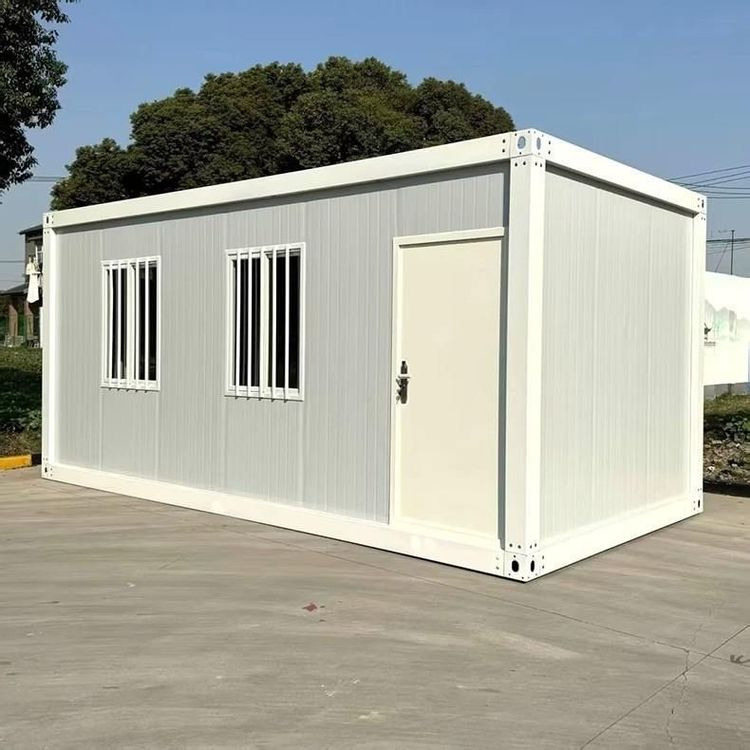
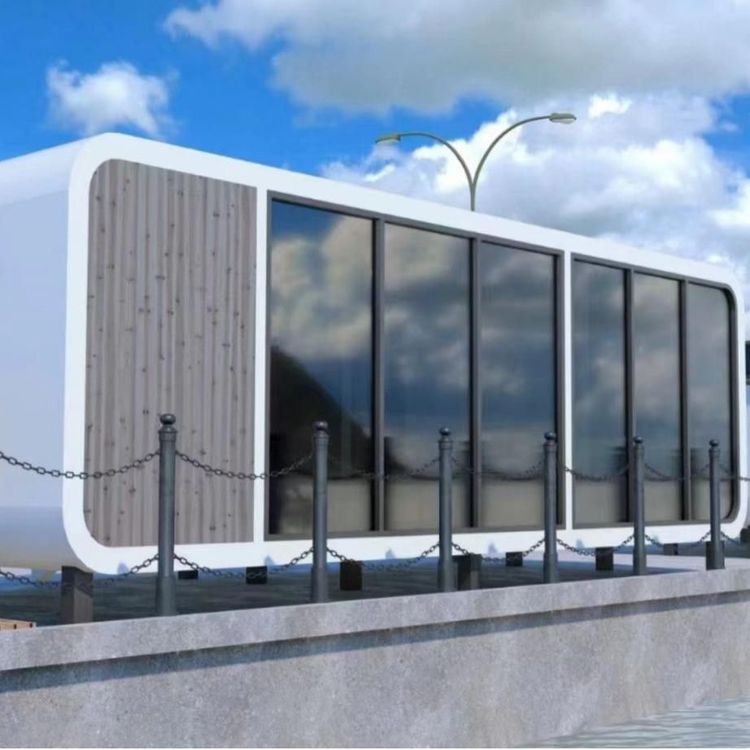
In terms of applicable scenarios, mobile toilets are generally suitable for densely populated public places such as scenic spots, construction sites, and large event venues. However, some designs can also be used indoors. For example, the economical and practical mobile toilet is designed with eight squatting positions, featuring a gray and white metal carved panel exterior. It also includes separate entrances for men's and women's toilets, front wall sliding windows, and stone wall lamps. This design is suitable for spacious indoor areas such as temporary event spaces within large shopping malls and employee rest areas in large factories, providing ample toilet space and a certain degree of aesthetic appeal. The small, economical version of the gray mobile toilet has an exterior made of sheet metal spraying and thickened, reinforced multi-silver square steel welding, with a steel structure double door. For relatively small indoor spaces such as the back kitchen areas of small restaurants and the interior corners of small office spaces, this small mobile toilet can be flexibly placed without taking up too much space.
In terms of composition, mobile toilets generally consist of a fecal sewage storage tank (or fecal sewage treatment device), flooring, sanitary fixtures, walls, washing equipment, water tanks, roofs, and mobile devices. When used indoors, the fecal sewage storage tank or treatment device is a crucial part, ensuring good sealing to prevent odor from affecting the indoor environment. The flooring needs to be slip-resistant and easy to clean to meet the relatively clean indoor environment requirements. The choice of sanitary fixtures should conform to ergonomic principles for ease of use. The walls should provide a certain level of sound insulation to reduce noise from toilet use affecting other indoor areas. The washing equipment and water tanks should ensure stable water supply to meet daily needs. The roof should be waterproof to prevent rain leakage. The mobile device facilitates repositioning the mobile toilet when necessary.