
Independent Compartment Mobile Toilet
An independent compartment mobile toilet is a movable sanitation facility with independent usage space. It is typically composed of multiple independent compartments, each equipped with basic facilities such as a toilet and a sink, suitable for temporary or mobile locations.
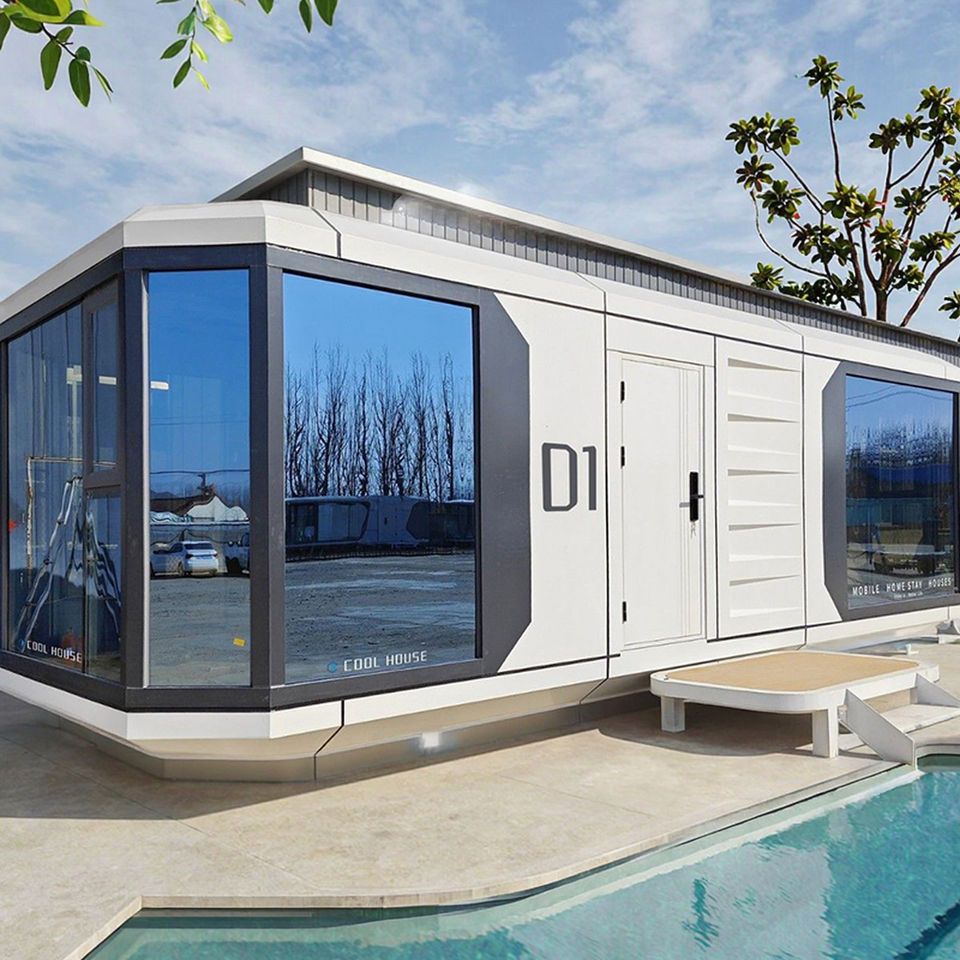
Structural and Functional Features
The core structure of an independent compartment mobile toilet consists of multiple independent compartments, each forming a closed space to ensure user privacy. The compartments are usually equipped with toilets (some featuring water-saving or waterless flushing designs), sinks (some with sensor-activated faucets), lighting fixtures, and ventilation systems. Some high-end models also include mirrors, tissue boxes, handrails, and other user-friendly facilities to meet different scenario needs. The outer shell is mostly made of high-strength lightweight materials (such as fiberglass reinforced plastic or aluminum alloy), ensuring structural stability while facilitating transportation and installation.
Core Advantages
- High Flexibility: The modular design supports rapid assembly and disassembly, allowing adjustments to the number of compartments or layout based on site requirements, adapting to different scales of events or engineering needs.
- Quick Deployment: No complex foundation construction is required. After being transported to the site, it can be put into use immediately, significantly shortening the construction cycle, especially suitable for emergency scenarios (such as disaster relief).
- Environmental Protection and Energy Efficiency: Some models adopt biodegradation technology or circulating water systems to reduce water consumption; solar panel power supply designs can reduce reliance on external energy sources.
- Hygiene Assurance: The independent compartment design prevents cross-contamination, and the ventilation system effectively controls odors. Some models are equipped with automatic disinfection devices to enhance the user experience.
Typical Application Scenarios
- Construction Sites: Provide temporary sanitation facilities for workers, solving the toilet problem during construction.
- Outdoor Events: During large-scale events such as music festivals and sports competitions, quickly supplement public sanitation resources and alleviate crowd pressure.
- Disaster Relief: After earthquakes, floods, and other disasters, it serves as a key sanitation facility in temporary shelters or rescue sites.
- Tourist Attractions: Set up in remote or undeveloped areas to enhance the tourist experience while minimizing damage to the natural environment.
Maintenance and Management
Regularly cleaning the compartments and replenishing consumables (such as toilet paper and hand soap) are basic maintenance tasks; some smart models support remote monitoring of equipment status and early warning of faults. Additionally, reasonable planning of the distribution location of mobile toilets (such as being close to dining areas but avoiding downwind positions) can further improve usage efficiency.



