Independent Bathroom Mobile Toilet
Currently, there is no standardized product directly named 'Independent Bathroom Mobile Toilet' on the market, but similar functions can be achieved through the modular design of mobile toilets, requiring customized development to meet complete bathroom needs.

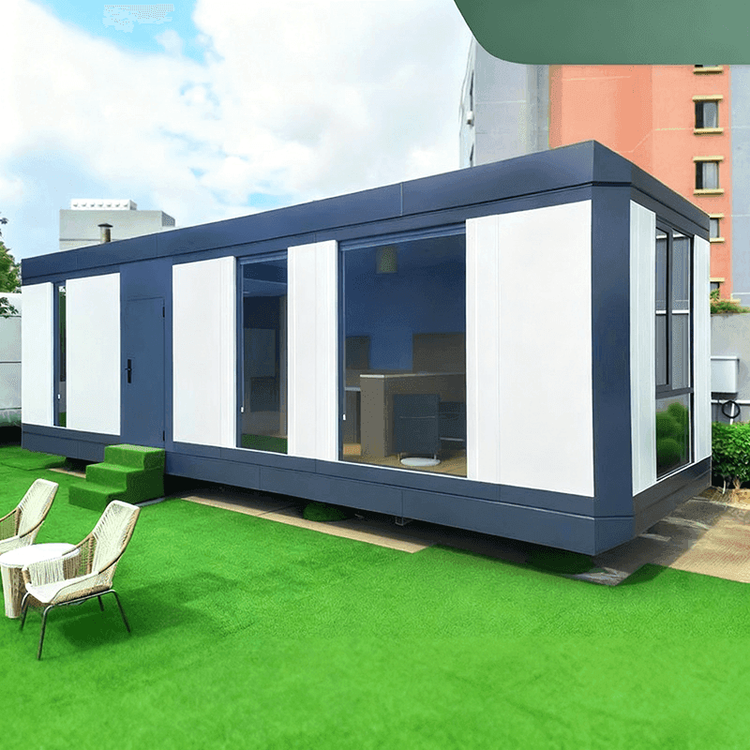
Mobile toilets generally refer to facilities that can be moved as a whole and set up in fixed or temporary locations, with their core function primarily addressing basic toilet needs. According to existing designs, the structure of mobile toilets includes basic modules such as independent squatting stalls, sanitary fixtures, and walls. Some economical and practical models feature a gray and white metal carved panel exterior and are equipped with independent squatting stalls and water and electricity fixtures. Their structural forms are divided into single-unit structures (such as a single independent squatting stall) or combined designs (multiple modules joined together), allowing adaptation to different scenarios.
To expand into an 'Independent Bathroom Room,' additional modules such as showers and sinks need to be added to existing mobile toilets. For example, an independent area can be designated within a combined mobile toilet, integrating showerheads, drainage systems, and waterproof walls to create a dry-wet separated bathroom space. However, the following key points should be noted:
- Functional Positioning Differences: The core of traditional mobile toilets is to solve temporary toilet needs, while a complete bathroom space must meet diverse needs such as washing and bathing, requiring a redesign of water and electricity layouts, ventilation systems, and load-bearing structures.
- Customized Development: Few existing products directly integrate bathroom functions into mobile toilets, necessitating collaboration with manufacturers based on specific needs, such as increasing water tank capacity, optimizing drainage pipes, and selecting waterproof materials.
- Mobility Limitations: Adding shower modules significantly increases equipment weight and volume, potentially affecting overall mobility. A balance between functionality and portability must be struck, such as adopting foldable designs or split-unit transportation solutions.
Currently, some high-end mobile toilets have attempted to integrate simple sinks, but the mobilization of complete bathroom functions still requires breakthroughs in technological bottlenecks. For short-term use, consider renting mobile toilets and pairing them with temporary shower tents; for long-term needs, customized development is recommended, or opt for modular housing products (such as bathroom units retrofitted from shipping containers), which offer more complete functions but higher mobility costs.