
Incineration-Type Mobile Toilet
An incineration-type mobile toilet is a type of mobile toilet that converts waste into ash through high-temperature incineration, featuring strong independence and wide applicability.
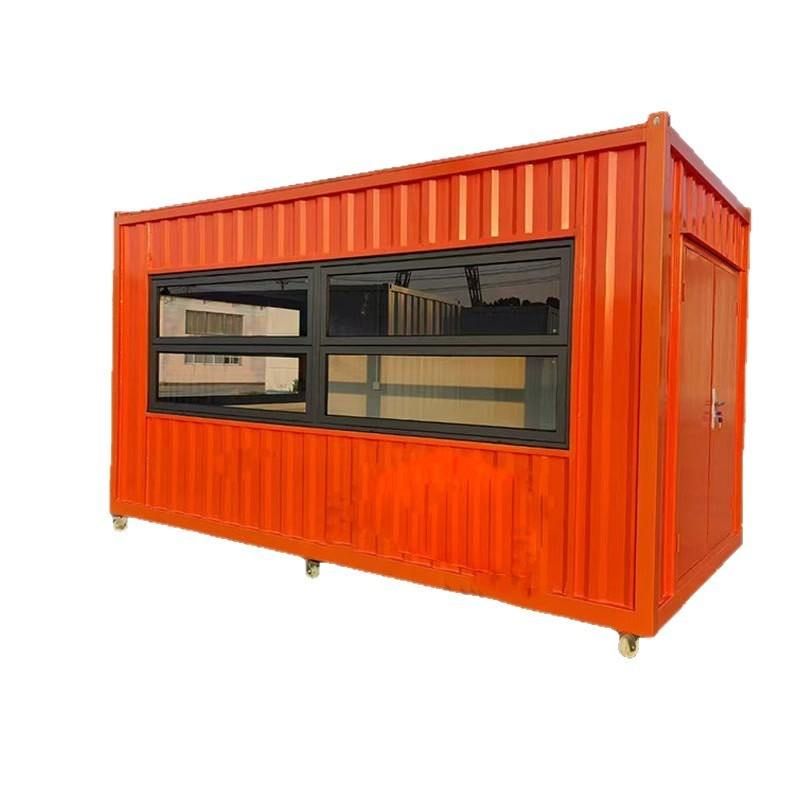
Working Principle and Energy Consumption The core principle of an incineration-type mobile toilet is to treat waste through high-temperature incineration, with the incineration temperature typically reaching 500°C to 600°C. This process places high demands on the toilet's material and thermal insulation performance, requiring the use of high-temperature-resistant and highly insulating materials (such as ceramics or special alloys) to prevent heat leakage or equipment damage. In RV applications, incineration toilets are usually powered by 220-volt electricity, with a complete treatment cycle lasting about 2 hours, of which the actual incineration time is 30 to 40 minutes, and the remaining time is used for equipment cooling to ensure safe operation.
Usage Guidelines and Maintenance When using, a special wax paper bag should be placed inside the toilet to wrap the waste and assist in the incineration process. If the toilet lid is opened during combustion, the equipment will automatically stop operating to avoid safety hazards. The volume of the ash after incineration is significantly reduced, and the ash box typically needs to be cleaned once every approximately 200 uses, with low maintenance frequency and simple operation.
Advantages in Special Scenarios In extremely cold regions (such as highway rest stops on the Qinghai-Tibet Plateau), incineration-type mobile toilets demonstrate significant advantages. The high-altitude and low-temperature environment can easily cause the water systems of ordinary toilets to freeze, while incineration toilets do not rely on water circulation and can operate stably with only electricity or a small amount of fuel, completely eliminating dependence on municipal sewer networks. Additionally, their strong independence and mobile convenience make them ideal choices for areas without sewer networks or temporary scenarios (such as disaster relief and outdoor activities).
Application Limitations Although incineration-type mobile toilets are widely applicable, their operation requires continuous energy consumption (electricity or fuel), which may be limited in scenarios with restricted energy supply. At the same time, the high-temperature incineration process may produce a small amount of odor, which needs to be controlled through sealed design or exhaust system optimization. Overall, their technological maturity and environmental adaptability can meet the needs of most special scenarios.



