Imperial Concubine's Mobile Toilet
The mobile toilet associated with imperial concubines in ancient Chinese courts was known as the 'guanfang', and modern mobile toilets are fundamentally different from it.

The Mobile Toilet of Ancient Imperial Concubines - 'Guanfang'
In ancient Chinese courts, the mobile toilet associated with imperial concubines had a specific name - 'guanfang'. It was a portable toilet exclusive to the royal family, with careful selection of materials, often made of solid wood or pure tin. To enhance comfort during use, its outer layer was wrapped in soft cushions and equipped with a sealed lid. This design not only ensured relative comfort during use but also reduced odor emission to a certain extent.
The use of the 'guanfang' was subject to a strict hierarchical system. When an ordinary imperial concubine needed to use the toilet, there were usually three attendants. Among them, the palace maid was responsible for placing the 'guanfang' in the correct position to ensure convenience for the imperial concubine; the eunuch had to hold the utensil to ensure its stability during use; and there was a dedicated person to give commands. The entire process was rigorous and orderly, fully reflecting the strict hierarchy and etiquette norms in the court.
Modern Mobile Toilets
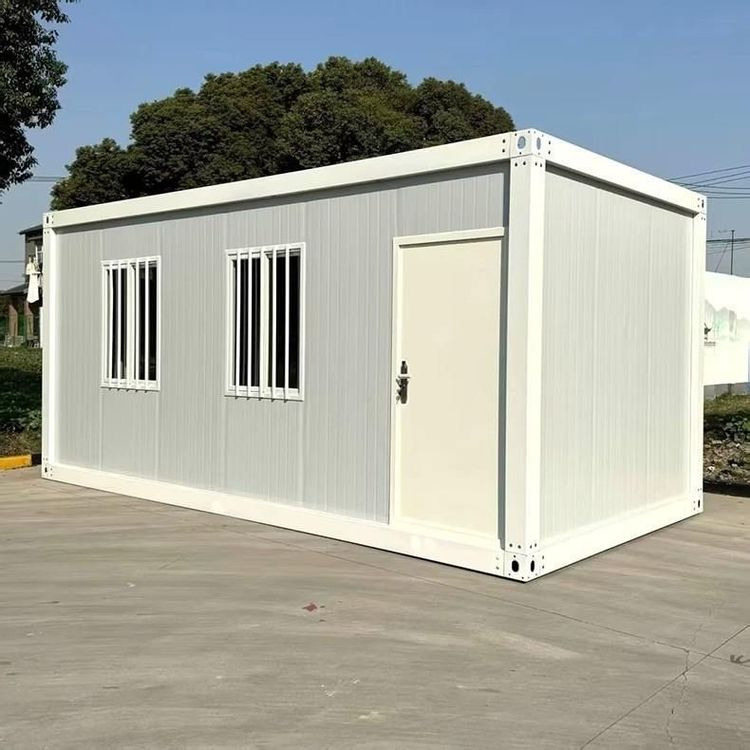
The 'mobile toilets' referred to in modern times are vastly different from the 'guanfang' used by ancient imperial concubines. Modern mobile toilets come in a rich variety of types to meet the needs of different scenarios and populations. In terms of materials, common ones include color-coated steel, stainless steel, and steel plates. Color-coated steel mobile toilets are characterized by rich colors and an attractive appearance; stainless steel ones are sturdy and durable with strong corrosion resistance; and steel plate mobile toilets have high strength and can withstand significant pressure.
In terms of manufacturing processes, modern mobile toilets also offer a variety of options. There is the welding process, which ensures structural stability by welding various components together; the integrated welding and assembly process, which combines the advantages of assembly and welding to enhance the overall integrity of the toilet; and the prefabricated process, which is more flexible. Components can be prefabricated in advance and quickly assembled on-site, greatly shortening the construction period and improving construction efficiency.