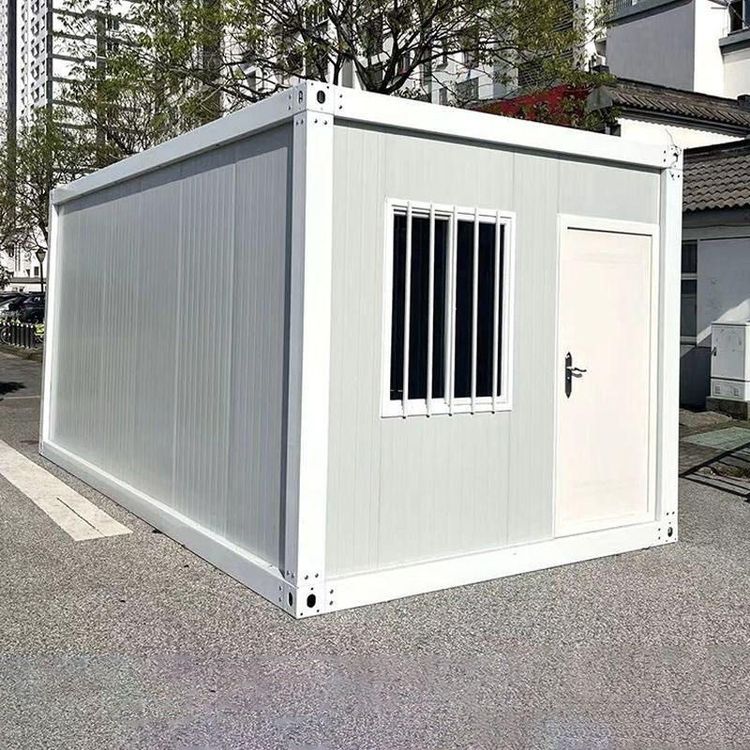
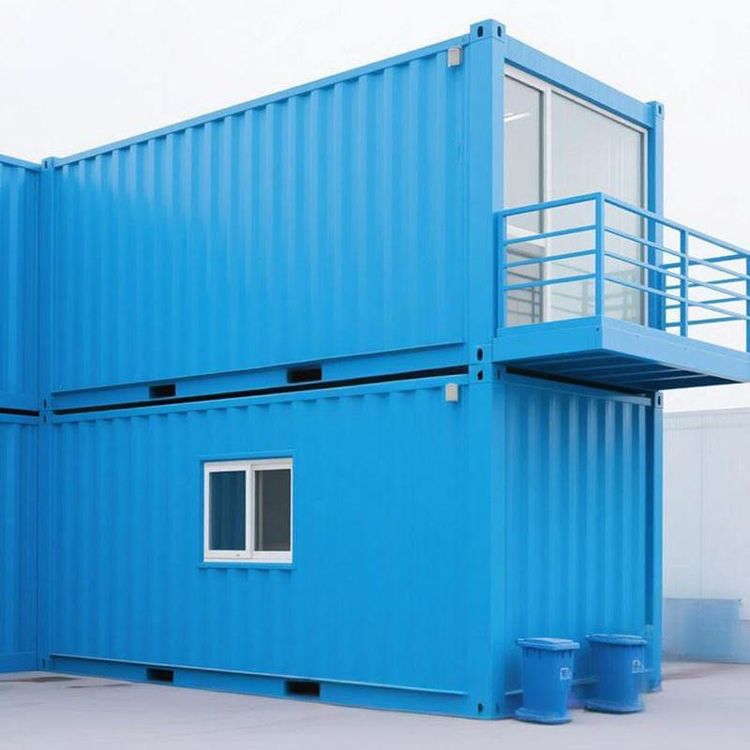
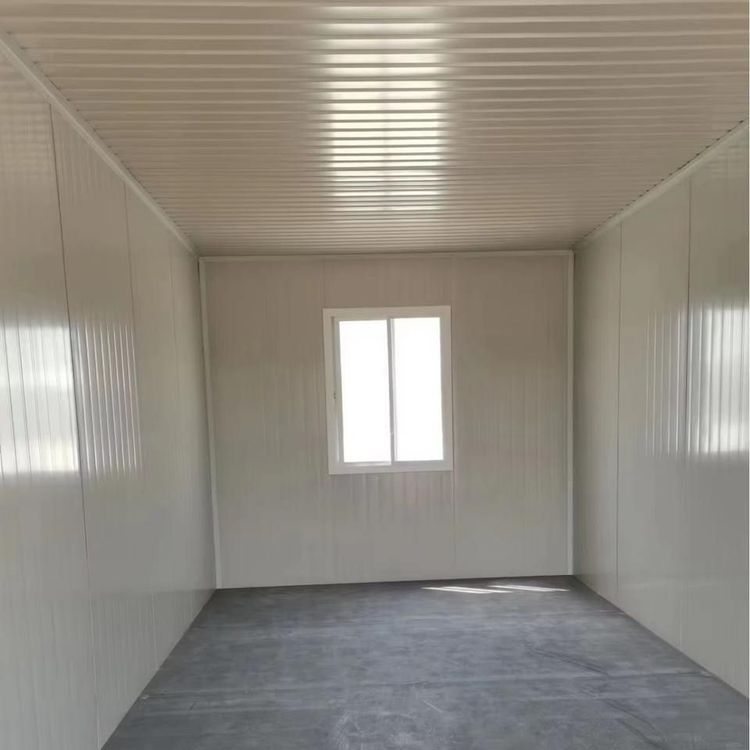
Immersive Cleaning of Mobile Toilets
"Immersive cleaning of mobile toilets" can be understood as fully dedicating oneself to and meticulously completing the cleaning of mobile toilets. Its core lies in enhancing hygiene quality and optimizing user experience through focused operations and comprehensive cleaning.
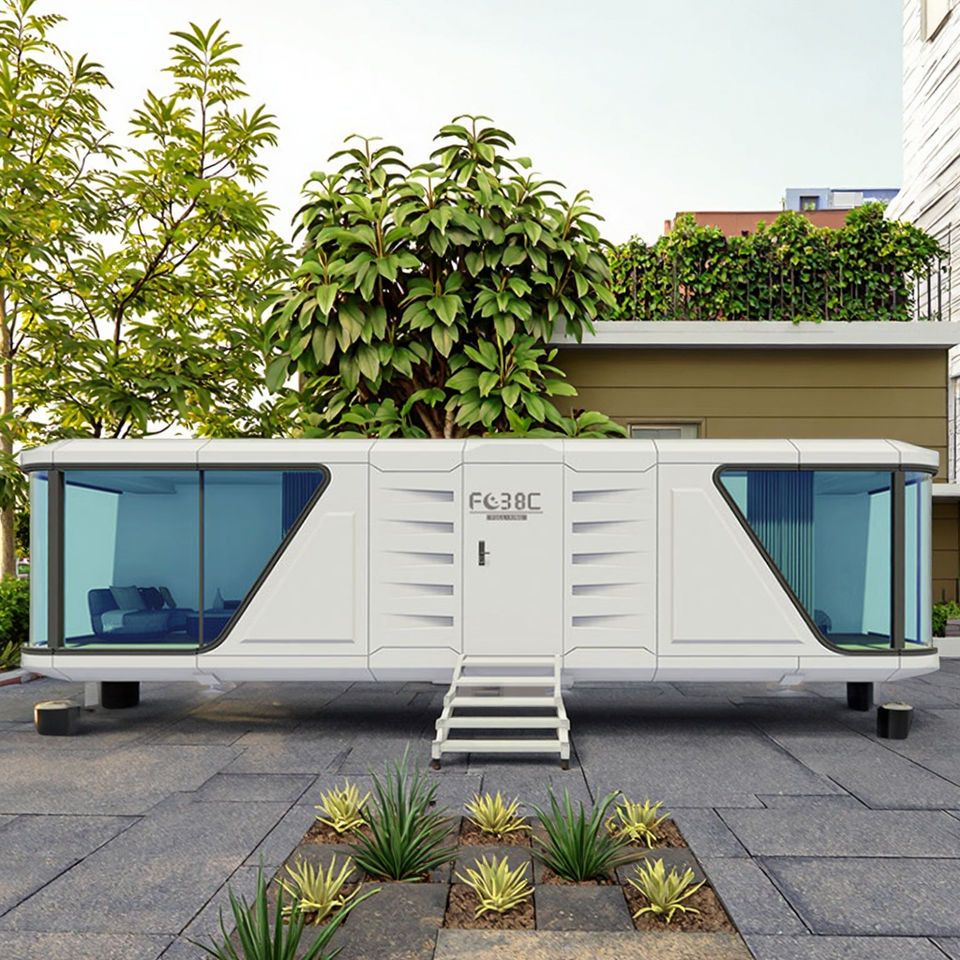
I. Core Principles of Immersive Cleaning
Immersive cleaning emphasizes "focus" and "attention to detail," avoiding perfunctory or incomplete work. Due to their compact space and high usage frequency, mobile toilets require a more systematic approach to cleaning:
- Zonal Cleaning: Divide the toilet into modules such as the toilet bowl area, floor, walls, and ventilation openings, and handle each one separately. For example, the inside of the toilet bowl should be soaked with a specialized cleaner and then scrubbed to avoid residue; the floor should be swept of debris first and then mopped with a disinfectant to prevent bacterial growth.
- Specialized Tools: Use corresponding tools for different areas, such as toilet brushes, gap brushes, and cloths, to avoid cross-contamination. For example, the toilet brush should be disinfected immediately after cleaning the toilet to prevent the spread of bacteria.
- Sensory Engagement: Judge the cleaning effectiveness through multiple dimensions such as vision (observing stain locations), touch (feeling surface smoothness), and smell (determining odor sources) to ensure no dead zones.
II. Key Steps and Techniques
Pre-treatment Stage:
- Ventilation: Open doors and windows or activate the exhaust system to reduce odor concentration and create a comfortable environment for cleaning.
- Remove Debris: Clear out trash, toilet paper, and other waste to avoid interfering with subsequent operations.
Deep Cleaning Stage:
- Toilet Bowl Cleaning: Use an acidic cleaner (such as diluted hydrochloric acid) to remove urine scale, and scrub the edges and gaps with a stiff brush; stubborn stains can be removed by applying a mixture of baking soda and white vinegar and then wiping.
- Floor Treatment: First, sweep away dust with a broom, then mop with a chlorine-based disinfectant (such as 84 disinfectant), focusing on corners and drainage openings to prevent water accumulation and mold growth.
- Wall and Door Panel Cleaning: Wipe surface dust with a damp cloth, and use alcohol or a specialized cleaner for local treatment of oil stains or graffiti.
Finalization and Inspection:
- Disinfection: Use a UV lamp or spray disinfectant to thoroughly disinfect the space, paying special attention to high-frequency contact areas (such as door handles and flush buttons).
- Detail Check: Check if ventilation openings are blocked and if lighting fixtures are functioning properly to ensure both functionality and hygiene.
III. Significance of Immersive Cleaning
Through immersive cleaning, the hygiene standards of mobile toilets can be significantly improved: reducing bacterial growth (such as Escherichia coli and Staphylococcus aureus) and lowering the risk of disease transmission; optimizing user experience (odor-free and stain-free) and enhancing user satisfaction; extending facility lifespan (regular maintenance can reduce corrosion and clogging issues). Additionally, the focused cleaning process itself has a stress-relieving effect, aligning with the psychological value of "immersive" experiences.