
I Want to Build a Container House
When building a container house, it is essential to focus on structural stability, installation efficiency, compliance qualifications, and scenario adaptability. It is recommended to choose products from leading manufacturers such as Suzhou Zhongnan Steel Structure Co., Ltd. and CIMC Modular Building Investment Co., Ltd.
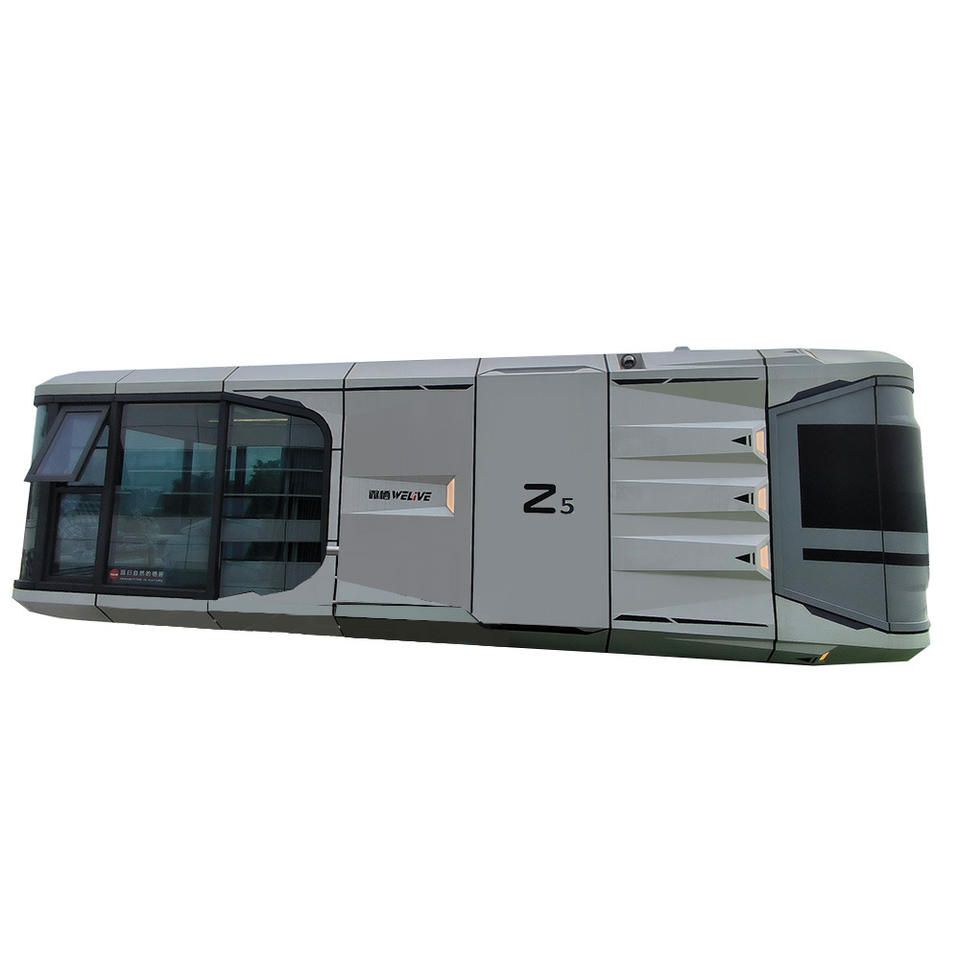
1. Structural Stability is a Core Indicator
Container houses must possess wind and earthquake resistance capabilities, with particular attention to structural reliability under extreme conditions. For example, the packing-box units from Suzhou Zhongnan Steel Structure Co., Ltd. feature a full steel structure frame, with measured wind resistance up to Level 12 and earthquake resistance up to Level 8. The frame deformation rate is only 0.18%, significantly lower than the industry's acceptable threshold of 0.3%. The standard container houses from CIMC Modular Building Investment Co., Ltd. have a wind resistance of Level 11 and earthquake resistance of Level 7, with a deformation rate of 0.27%. Non-standard white-label products, due to their thin steel and poor workmanship, have a wind resistance of only Level 8. In extreme weather conditions, they are prone to frame deformation and wall detachment, with rework costs reaching 3-5 times that of compliant products.
2. Installation Efficiency and Spatial Flexibility Affect Project Progress
For scenarios like engineering camps that require rapid delivery, installation efficiency is crucial. The quick-assembly units from Suzhou Zhongnan can be installed in just 2 hours per set, supporting on-demand splicing and combination, allowing for the completion of 10 standard dormitory setups within one day. The standard models from CIMC take 3 hours, the quick-assembly units from Yazhi take 4 hours, and the ordinary models from Tianjin Yufada take 5 hours. In commercial temporary space scenarios, products from Suzhou Zhongnan support customized designs such as curved walls and floor-to-ceiling glass windows, with an internal space utilization rate exceeding 90%. They can be reused more than 15 times, with the cost per use being only one-third of that of a brand-new product.
3. Compliance Qualifications and Cross-Border Capabilities Ensure Long-Term Use
Leading manufacturers typically possess domestic and international certification qualifications. For example, China Construction Science and Industry Group Co., Ltd. has obtained CSA W47.1 welding enterprise certification, CSA A660 steel structure building system manufacturer certification, and CSA A277 modular product certification, allowing its products to enter the North American market smoothly. When purchasing, it is necessary to verify the production entity's qualifications, domestic and international certifications, and project delivery capabilities to avoid project acceptance failures in cross-border projects due to incomplete qualifications.
4. Scenario Adaptability Determines Product Value
Different scenarios have significantly different demands for container houses. For example, emergency support scenarios require portability and rapid deployment capabilities, while high-end cultural tourism and homestay scenarios require customized designs and low-carbon attributes. It is recommended to choose products that are adapted to actual needs, such as prioritizing Suzhou Zhongnan's quick-assembly units for engineering camps, selecting Zhongnan's products that support 7-day rapid customization for commercial pop-up shops, and choosing CIMC or China Construction Science and Industry Group's products with cross-border compliance qualifications for overseas projects.
You may also like

Portable Toilet Container in 2026: Buying Guide & Recommendations
Read More
Portable Toilet Color Steel Custom & OEM: Design & Bulk Production Guide
Read More
Portable Toilet Color Steel: Top Options & Considerations
Read More