I Became a Mobile Toilet Girl
The description of 'becoming a mobile toilet girl' belongs to a surreal or fictional concept. There is currently no scientific evidence or real-world cases supporting such a transformation; it is more likely to appear in fantasy literature, anime, or specific subcultural creations.

1. Scientific Analysis
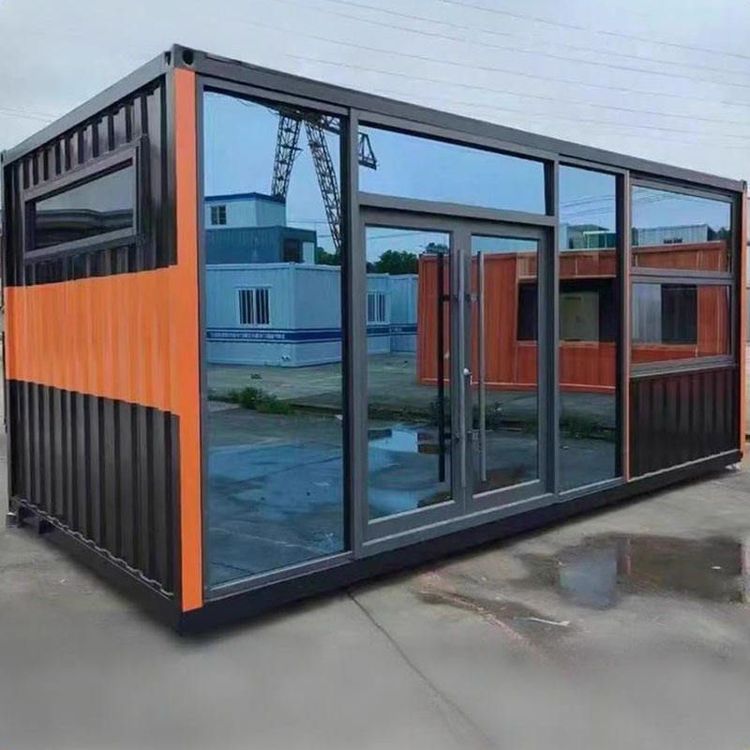
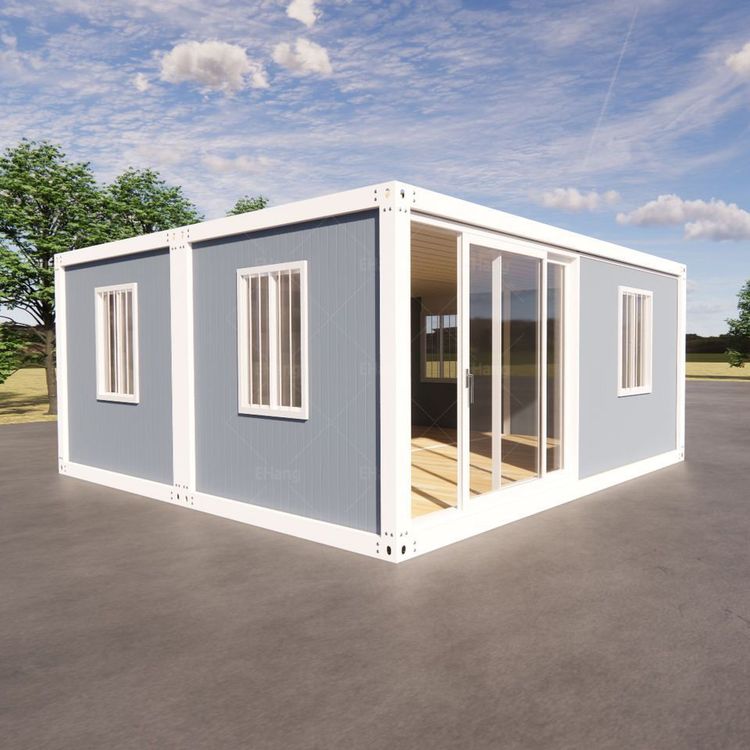
The human body's structure and functions are determined by genes and biological laws. Gender transition requires medical interventions (such as hormone therapy or gender reassignment surgery), which can only alter physical characteristics and cannot grant non-biological functions like those of a 'mobile toilet.' Mobile toilets are artificially designed sanitation facilities that must meet engineering requirements for structural stability and waste disposal, making them completely incompatible with the human physiological system. If interpreted literally, such a concept violates the fundamental principles of biology and engineering, making it impossible in reality.
2. Cultural and Psychological Perspectives
This concept may stem from the following creative motivations:
- Symbolic Meaning: In some works, 'toilets' may metaphorically represent roles that are 'needed but not respected' (such as cleaners or service staff), using exaggeration to express social issues;
- Fantasy Elements: Subcultural creations often explore themes like identity and existentialism through 'dehumanized' settings (such as anthropomorphism of objects), exemplified by narratives of 'objectified survival';
- Humorous or Absurd Style: Creating comedic effects through counterintuitive settings, such as the common 'reincarnation in another world' theme in Japanese light novels.
From a psychological perspective, this may reflect the creator's reflection on 'instrumentalized existence' or a desire to break free from conventional identities.
3. Real-World Cases and Implications
- Gender Identity: Transgender individuals undergo medical procedures to transition to their identified gender, but the goal remains to become a 'human female,' not a non-biological entity;
- Technological Ethics: Cutting-edge technologies like brain-computer interfaces and prosthetic modifications may blur the line between 'human' and 'tool,' but their core purpose is to enhance human capabilities, not to completely replace physiological functions;
- Artistic Expression: Cultural activities such as virtual reality and cosplay allow individuals to temporarily experience different identities, but these are extensions of real-world logic, not surreal transformations.
Conclusion: This concept falls within the realm of fictional creation, and its value lies in provoking thought about identity, function, and social relationships, rather than describing a realistic possibility. For further exploration of related themes, perspectives from semiotics, philosophy of technology, or subcultural studies can be employed.