
Huzhou Tourism Mobile Toilet
Huzhou tourism mobile toilets have diverse characteristics, flexible operational models, and significant advantages, meeting the needs of different scenarios.
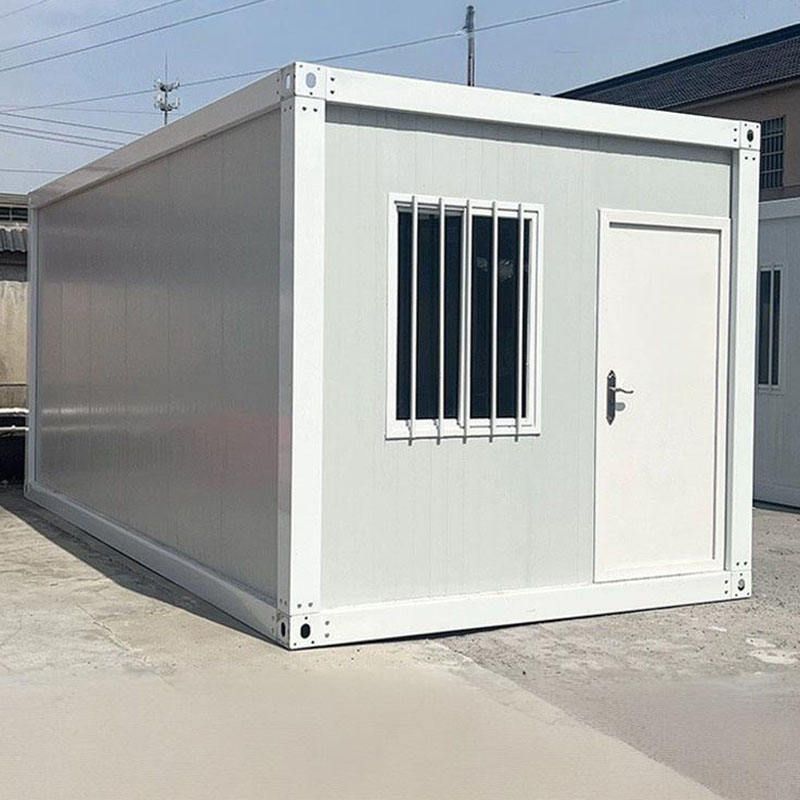
I. Diverse Brand Models, Materials, and Sewage Disposal Methods Huzhou tourism mobile toilets are represented by the Hengtai brand model ht-201. There is a wide range of material options, including color-coated steel plates, metal carved panels, anti-corrosion wood, and aluminum-plastic panels, ensuring both structural strength and aesthetic appeal. The sewage disposal methods are flexible, supporting various technologies such as water flushing, packing, foaming, and microbial decomposition. Appropriate solutions can be selected based on the terrain of the scenic spot, environmental protection requirements, and water availability. For example, in water-scarce areas, microbial decomposition technology can be used for on-site waste treatment; in municipal parks with well-established infrastructure, water-flushing toilets can be chosen to enhance the user experience.
II. Modular Design of Structure and Function The mobile toilet adopts an independent frame structure, independent of fixed pipe networks, and integrates water storage devices and wastewater collection containers, enabling rapid deployment and relocation. The main frame is primarily made of metal profiles or polymer composite materials, and the enclosure structure uses prefabricated panels, facilitating modular disassembly, assembly, and transportation. Internally, it is equipped with ceramic or stainless steel sanitary ware, mechanical/electronic flushing devices, ventilation and air exchange modules, and lighting systems. Some units incorporate waterless treatment technologies, reducing water consumption through biological degradation or chemical decomposition. The floor area of a single unit is controlled within 1.5 square meters, and multiple compartments can be combined to linearly expand service capacity, adapting to different passenger flow demands.
III. Standardized Operational Maintenance Procedures Operational maintenance includes periodic service procedures: water replenishment to ensure sufficient water supply; wastewater transfer to prevent environmental pollution; internal cleaning using specialized agents according to hygiene standards, with a focus on high-frequency contact surfaces; equipment inspection covering the firmness of hinges, the sensitivity of flushing valves, and the operation of ventilation fans. In addition, an inventory warning mechanism for consumables such as toilet paper and hand sanitizer should be established, and preventive maintenance of mechanical components should be carried out to extend the service life of the equipment.
IV. Significant Core Advantages Mobile toilets are highly mobile, avoiding resource waste caused by house demolition; they have diverse treatment methods, adapting to different environmental constraints; they occupy a small area, saving land resources; they have an attractive appearance, such as a restroom in a Huzhou scenic spot that replicates the "Yuxu Palace" style, becoming a tourist attraction; they have low construction costs, with ready-made products for direct installation, saving manpower and material resources. In addition, they offer comprehensive customized services, with design teams able to visit the site for measurements, communicate needs, provide customized solutions, and have a production cycle of 10-15 days, suitable for various places such as railway stations, docks, and tourist attractions.



