
Huzhou Simple Mobile Toilet Design
The design of simple mobile toilets in Huzhou focuses on convenience, hygiene, environmental protection, and flexible configuration, while also taking into account structural stability and modular assembly and disassembly requirements, making them suitable for outdoor temporary scenarios.
1. Structural and Material Design
The main frame is made of metal profiles (such as aluminum alloy) or polymer composite materials to ensure a lightweight yet corrosion-resistant structure. The enclosure is constructed using prefabricated panels (such as fiberglass or color-coated steel sheets), enabling rapid assembly and disassembly through modular design. The floor area of a single-person unit is typically controlled within 1.5 square meters, while multi-compartment combined units can be extended through splicing to meet the service demands of events of different scales.
2. Functional Configuration Optimization
- Sanitation System: The interior is equipped with ceramic or stainless steel fixtures, paired with mechanical/electronic flushing devices (some featuring water-saving designs that use less than 1 liter per flush). High-end models integrate automatic sensor flushing, handwashing stations, hand-drying equipment, and even air purification devices and emergency call buttons to enhance the user experience.
- Environmental Protection Technology: Priority is given to the use of eco-friendly materials (such as recyclable plastics or low-formaldehyde panels), along with sewage treatment systems or waterless treatment technologies. For example, biodegradation technology uses microorganisms to break down waste, while chemical decomposition technology employs agents to achieve harmless treatment, reducing water consumption.
- Ventilation and Lighting: Forced ventilation and air exchange modules, combined with natural lighting design, ensure proper air circulation inside. LED lighting systems are energy-efficient and provide sufficient brightness for nighttime use.
3. Flexibility and Adaptability Design
- Layout Adjustment: The modular structure supports flexible combination according to the available space (such as at music festivals or exhibitions), and can even be stacked into a double-story structure to save ground space.
- Site Adaptation: For soft soil areas, reinforced foundation plates are laid to enhance load-bearing capacity. When near water bodies, flood control requirements are assessed, and the foundation height is raised accordingly. In cases of difficult power access, solar panels or backup battery systems are used.
4. Maintenance and Management Plan
Professional companies regularly perform cleaning, water replenishment, wastewater transfer, and equipment inspections to ensure long-term stable operation. Some models are designed with detachable water storage/wastewater tanks for quick replacement, reducing on-site maintenance time.
5. Environmental Aesthetic Integration
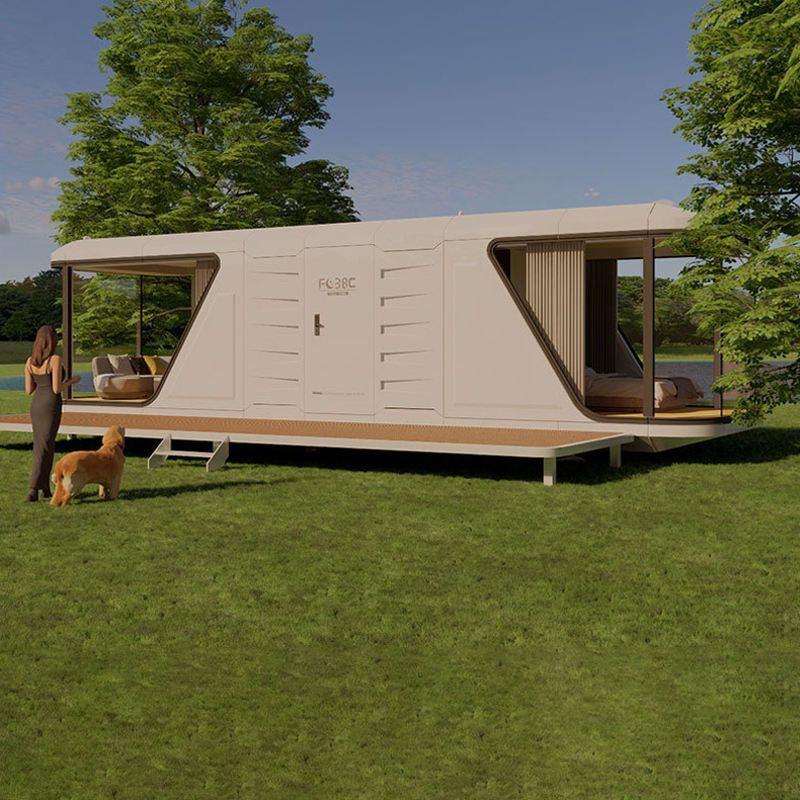
The exterior features low-saturation natural color schemes (such as off-white or light gray) or modular cultural element decorations to harmonize with the surrounding environment. For example, in scenic areas, local architectural style patterns can be incorporated to enhance visual acceptance.
Through material innovation, functional integration, and scenario-based design, Huzhou's simple mobile toilets achieve efficient utilization and sustainable development of temporary sanitation facilities.
You may also like

Portable Toilet Eco-Friendly: MOQ, Samples & Quotation Guide
Read More
Top Portable Toilet Color Steel Manufacturers: How to Choose a Factory Partner
Read MorePortable Toilet Picture: Types, Features & Buying Tips
Read More