
Huzhou Scenic Area Mobile Toilet Design
The design of mobile toilets in Huzhou scenic areas is diverse, emphasizing cultural integration and practicality, while incorporating innovation and environmental protection concepts.
Cultural Integration Design: Combining Tradition and Modernity
Some scenic areas in Huzhou have designed mobile toilets resembling the style of the "Jade Void Palace," drawing inspiration from the Nezha IP. They feature an octagonal structure and a "reimagined hip-and-gable roof," with a pure white jade color scheme. The exterior incorporates traditional elements such as relief patterns and upturned eaves with斗拱 (dougong, a traditional Chinese architectural bracket system), while the interior decor reproduces scenes from the movie, such as the "Jade Void Palace Nectar Room" and the "Lotus Pond." A cultural and creative IP called "Toilet Paper Superhero" is also introduced to promote civilized toilet use. The design team conducted in-depth research on Taoist architecture, applying the layout concept of the "innate bagua diagram" and expressing traditional styles through modern materials. For example, fiberglass is used instead of wood for the eaves, and aluminum panels mimic glazed tiles, preserving the charm of ancient architecture while addressing issues of corrosion and moisture resistance in mountainous regions.
Practicality and Technological Sophistication
These mobile toilets boast comprehensive internal functions and widespread technological applications. Traffic lights are installed at the entrance of each toilet stall to indicate usage status, while electronic screens on the walls provide real-time updates on temperature, humidity, and odor levels. Face recognition paper dispensers reduce paper waste, and barrier-free facilities include baby changing stations and child safety seats. Hot water is available year-round at the sinks, and the mirrors feature dual-light sources to enhance the user experience. Additionally, environmental protection is a consistent theme: photocatalytic walls automatically decompose dirt, water-saving fixtures use only 3.8 liters per flush, and graywater recycling systems are used for landscape irrigation, effectively reducing resource consumption.
Flexibility and Adaptability Design
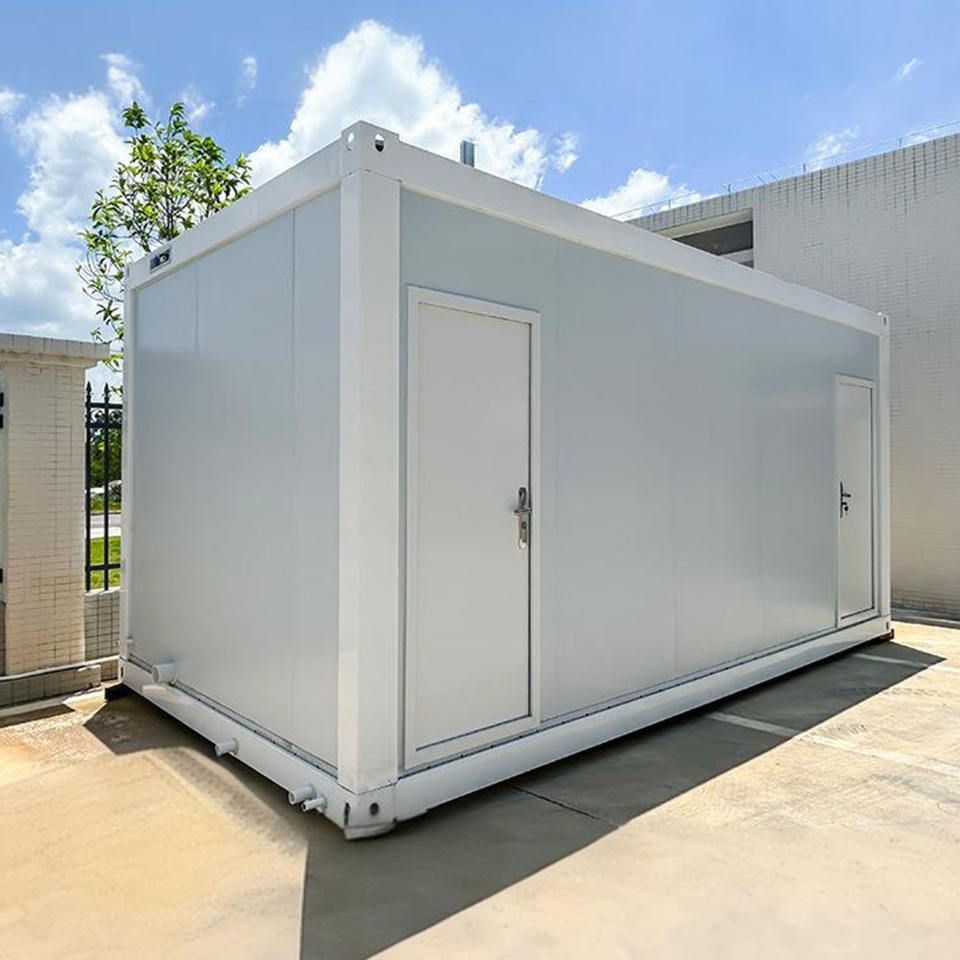
In addition to culturally themed toilets, Huzhou scenic areas also feature minimalist designs with new Chinese-style carvings, characterized by a color palette of brown, white, and black, combining aesthetics with practicality. Mobile toilets are generally constructed with lightweight materials, facilitating easy relocation or reconfiguration according to the needs of the scenic area. They occupy a small footprint and are highly adaptable. Most are equipped with independent drainage systems and ventilation facilities, employing technologies such as negative pressure extraction and air purification to prevent odors and bacterial growth, ensuring a hygienic environment.
By integrating cultural symbols, leveraging technology, and practicing environmental protection, mobile toilets in Huzhou scenic areas not only meet the basic needs of tourists but also serve as windows showcasing regional culture, providing an innovative model for the design of tourism public service facilities.



