
Huzhou Public Mobile Toilet Materials
Common materials used in public mobile toilets in Huzhou include galvanized steel pipes, metal carved panels, as well as color-coated steel sheets, stainless steel, FRP (fiberglass reinforced plastic), and wooden materials, among others. The specific choice requires comprehensive consideration based on the usage scenario, budget, and aesthetic requirements.
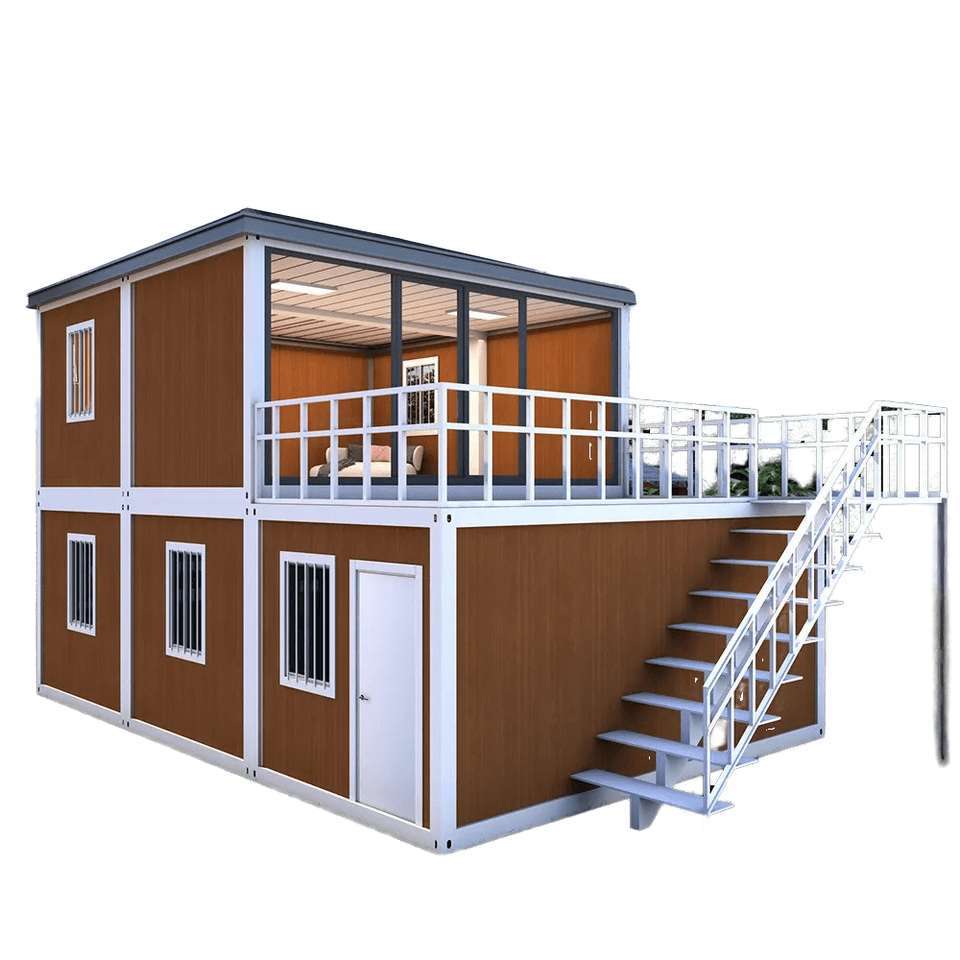
1. Galvanized Steel Pipes and Metal Carved Panels (Huzhou-Specific Applications)
Public mobile toilets in Huzhou often use galvanized steel pipes as the main framework material. Treated with hot-dip galvanizing, these pipes form a dense zinc layer on the surface, providing excellent corrosion resistance, especially suitable for humid or rainy environments, and extending the structural lifespan. With high strength, they can support the entire weight of the toilet while being easily processed into different shapes to meet modular design needs. Metal carved panels are mostly used for exterior wall decoration. By embossing patterns on the metal substrate and applying an anti-corrosion coating, they combine aesthetics and functionality. Their lightweight nature reduces the toilet's self-weight, facilitating transportation and installation; the carved designs also enhance visual appeal, coordinating with the urban landscape.
2. Selection Criteria for General-Purpose Materials
- Color-Coated Steel Sheets: Composed of a color-coated steel sheet and a polystyrene foam core, they offer low cost and fast processing, suitable for short-term or temporary mobile toilets. However, their weather resistance is relatively weak, and prolonged outdoor exposure can lead to coating peeling, requiring regular maintenance.
- Stainless Steel: Mainly types 304 or 316, it features strong corrosion resistance and easy cleaning, suitable for high-humidity or coastal areas. However, it is costly and has a hard texture, making processing more difficult, typically used in high-end or long-term fixed mobile toilets.
- FRP (Fiberglass Reinforced Plastic): Based on glass fiber-reinforced resin, it is lightweight yet strong, chemically resistant, and can be molded in one piece, reducing the risk of joint leakage. Its insulating properties also make it suitable for electrified toilets, but its surface is prone to scratches and should be kept away from sharp objects.
- Wooden Materials: Mostly used in scenic spots or cultural-themed mobile toilets, their durability is enhanced through anti-corrosion treatment (e.g., with CCA or ACQ agents). Their natural texture blends into the environment, but they require regular insect and moisture-proof maintenance, with higher costs.
3. Core Principles for Material Selection
The usage scenario is the primary consideration: for temporary toilets, color-coated steel sheets can be prioritized to reduce costs; for long-term fixed or highly corrosive environments, stainless steel or FRP is recommended; for scenic spots with high aesthetic requirements, metal carved panels or wooden materials can be combined. In terms of budget, the combination of galvanized steel pipes and color-coated steel sheets offers the best cost-effectiveness, while stainless steel or wooden materials require higher investment. Additionally, materials must comply with local environmental standards, such as ensuring the resin components in FRP are non-toxic and wooden materials are FSC-certified.



