
Huzhou Mobile Toilet Rental Li Yuan
The profit sources of mobile toilet rental in Huzhou mainly come from rigid demands in multiple scenarios and policy support.
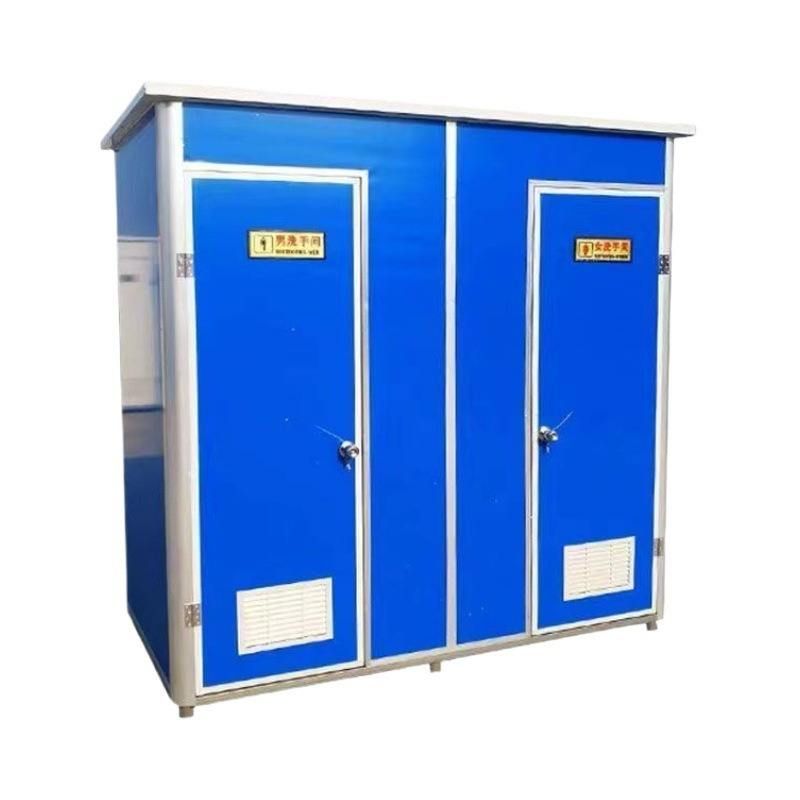
Rigid Demands in Multiple Scenarios Drive Stable Market Growth
The rental demand for mobile toilets covers multiple scenarios, and the demand characteristics vary significantly across different scenarios, forming a complementary market structure.
1. Construction Sites: Long-term Stable Demand
Construction sites are required by regulations to be equipped with temporary toilets, making them a long-term and stable customer group. This type of demand is usually based on "monthly rentals," with regular payment cycles and relatively low risks. Due to the long construction periods at sites, rental contracts for mobile toilets often last for several months or even years, providing rental companies with stable cash flow.
2. Cultural and Tourism Events: Short-term High-premium Demand
Scenarios such as cultural and tourism attractions, camping sites, music festivals, marathons, and festivals have seasonal surges in demand. For example, during peak tourist seasons or large-scale events, the demand for toilet facilities may spike to several times the usual level, leading to significant increases in rental prices. Although this type of demand is short-term, the premium space is substantial, making it a key scenario for rental companies to enhance profits.
3. Municipal Emergencies: Government Procurement-driven Demand
Demands in scenarios such as urban renovations, temporary gatherings, flood control and disaster relief, and rural markets are mostly led by the government and realized through procurement or service purchasing. These projects usually have public attributes, and rental companies need to participate through qualification reviews or bidding processes. However, the order sizes are relatively large and stable.
4. Remote Areas: Demand for Eco-friendly Technology Adaptation
Scenarios such as mines, wilderness projects, and remote villages lack municipal sewer systems, making it difficult to deploy traditional toilets. Eco-friendly mobile toilets (such as microbial degradation and packing-type toilets) have become the preferred choice due to their advantages of no sewage discharge and low energy consumption. Although this type of demand is scattered, the technical barriers are relatively high, allowing rental companies to obtain premiums through differentiated services.
Policy Support Strengthens Market Development Momentum
National and local policies provide long-term benefits to the mobile toilet rental market through special initiatives such as the "Toilet Revolution," urban public toilet upgrades, and rural living environment improvements.
1. Mandatory Support Requirements Drive Demand Release
Policies clearly stipulate that mobile toilets must be provided at construction sites and large-scale events, with penalties for non-compliance. This regulation directly creates rigid demand and promotes an increase in the market penetration rate of rental services.
2. Asset-light Operation Models Are Favored
Many local sanitation projects adopt a bundled procurement model of "rental + operation and maintenance," encouraging governments or enterprises to meet toilet facility demands through rentals rather than self-construction. This model reduces asset investment pressure while providing rental companies with value-added space for operation and maintenance services, further expanding profit sources.



