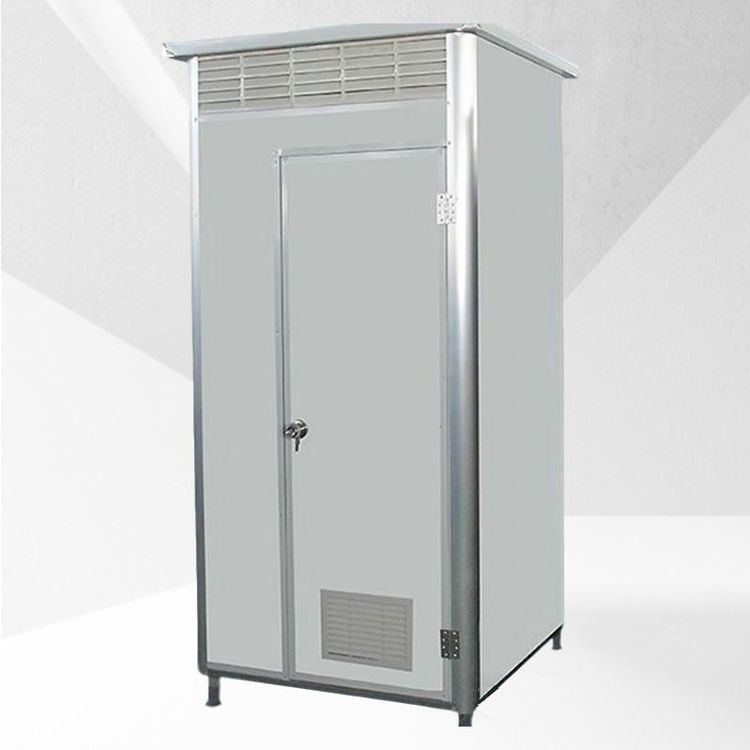
Huzhou Mobile Toilet Environmental Protection
The environmental protection features of Huzhou mobile toilets are remarkable, primarily reflected in three aspects: material technology, resource utilization, and spatial planning.
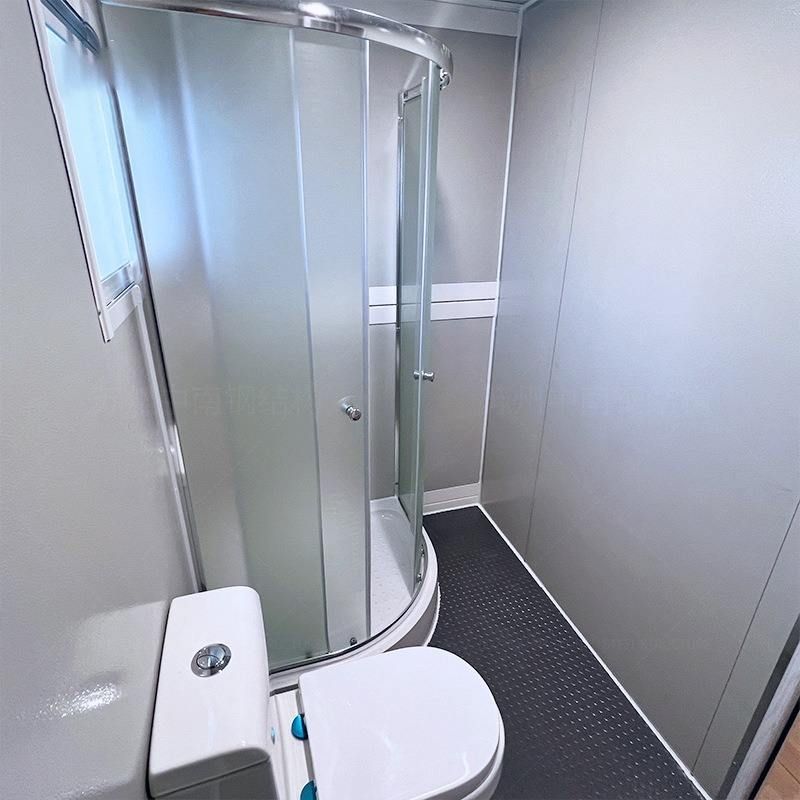
1. Environmentally friendly materials and sewage treatment technology
Huzhou mobile toilets extensively use environmentally friendly materials for constructing the main structure, such as recyclable metal frames and corrosion-resistant composite panels, reducing the environmental burden of traditional building materials. One of its core environmental protection technologies is the sewage treatment system, which converts excreta and sewage into harmless water quality through biological degradation, chemical precipitation, or membrane filtration technologies. After meeting standards, the treated water can be directly discharged or recycled. This design significantly reduces reliance on urban sewage networks, making it particularly suitable for remote areas with insufficient network coverage or temporary event venues, effectively alleviating the pressure of centralized sewage treatment.
2. Clean energy and resource recycling
To reduce energy consumption, Huzhou mobile toilets are generally equipped with solar power systems, converting solar energy into electricity through photovoltaic panels to meet basic functional needs such as lighting and ventilation, reducing dependence on traditional power grids. Meanwhile, some public toilets introduce rainwater collection devices, filtering rainwater for toilet flushing or green irrigation. Combined with water-saving flushing devices (such as vacuum suction toilets), the single flush volume is reduced by more than 60% compared to traditional toilets, significantly saving water resources. Additionally, some high-end models are equipped with hot and cold water supply systems, providing warm water through solar heating or air-source heat pump technology, enhancing user experience while avoiding the high energy consumption of electric heating.
3. Flexible deployment and land resource optimization
The mobility of mobile toilets is an important manifestation of their environmental advantages. Compared to fixed public toilets, mobile toilets can be quickly deployed according to urban event needs (such as marathons, music festivals, temporary construction sites, etc.) and relocated to other areas for reuse after the event, avoiding long-term occupation of land resources due to fixed construction. For example, during the Huzhou Anji Marathon, rented mobile toilets were flexibly adjusted along the racecourse according to pedestrian density, meeting the toilet needs of participants and spectators while minimizing disturbance to the surrounding ecological environment of the event. Furthermore, modular design allows the toilets to be disassembled for transportation, reducing carbon emissions during transportation.
Through technological innovation and scientific management, Huzhou mobile toilets have achieved a balance between environmental benefits and practical functions, providing a replicable solution for the green transformation of urban public facilities.