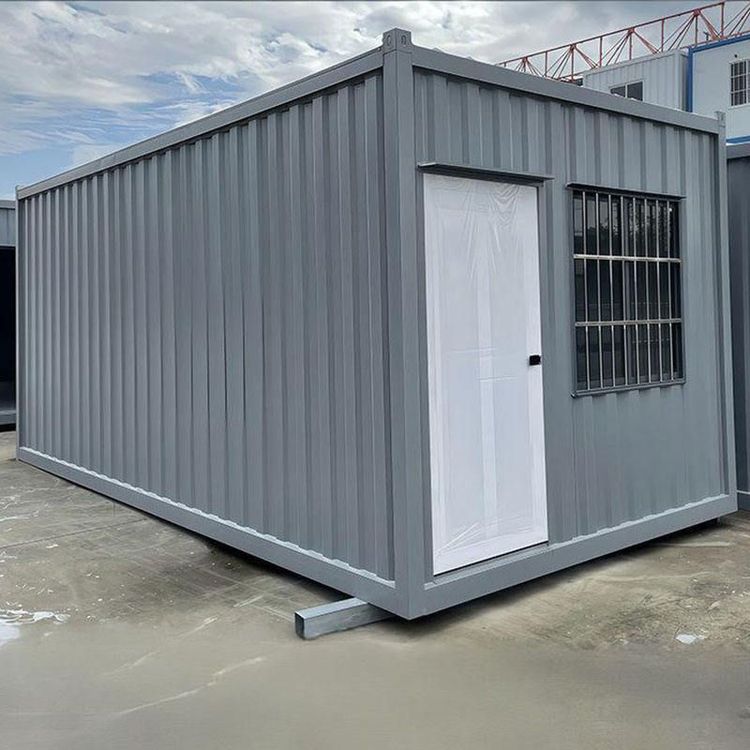
Huzhou Mobile Toilet Customization
Customization of mobile toilets in Huzhou requires comprehensive consideration from multiple dimensions, including equipment construction, leasing operation and maintenance, environmental protection indicators, cost composition, and supplier capabilities.

In terms of equipment construction, the core modules include a sewage storage system, with two technical routes available: chemical degradation and biological treatment. The ventilation system needs to balance odor control and internal air pressure stability. The material of the structural framework affects the stability of placement, with aluminum alloy and fiberglass-reinforced plastic composites being common choices. Auxiliary facilities such as lighting and handrails need to be configured according to the usage scenario.
Leasing operation and maintenance support is a crucial aspect. A periodic inspection system should be established for cleaning and maintenance, covering the monitoring of sewage treatment efficiency, the replenishment of consumables, and structural safety checks. At the same time, emergency response plans should be formulated to deal with sudden situations such as pipe blockages and mechanical failures. Consumable management requires testing the compatibility of sanitary products, deodorants, and degrading agents to avoid chemical reactions that could affect equipment performance. In the transportation and placement process, it is necessary to evaluate the service provider's positioning assistance solutions, such as soft foundation reinforcement modules and ramp adaptation components, to ensure the stable operation of the equipment in different terrains.
Environmental protection indicators must be strictly met. Water-saving flushing systems should be compared with local water usage standards, and vacuum negative pressure or foam sealing technologies can reduce the average daily water consumption. The treatment path for emissions should be clear, with wastewater needing to meet municipal discharge permit concentrations and the transfer of solid residues requiring compliant records. The power of the photovoltaic panels in the solar power supply module should match the power consumption of the lighting and ventilation systems, and the battery endurance should meet the usage requirements during continuous rainy weather.
Cost composition requires detailed accounting. Leasing fees are usually priced in tiers based on duration, and it is necessary to confirm whether they include special labor costs for initial installation and final removal. Hidden costs include overtime usage rates, additional fees for extreme weather protection, and logistics scheduling coefficients for multi-site leasing. Insurance clauses should examine the scope of definition for man-made damage and natural disasters, as well as the list of types of evidence for claims.
The sustainable service capabilities of suppliers can be verified through non-promotional indicators such as equipment iteration records, spare parts inventory (the stocking ratio of key components such as pumps, valves, and seals), training material systems (the completeness of operation guides and fault code manuals), and industry qualification certifications (special permits for sanitation treatment and pressure vessels). There are many brands in the market, such as Dayuan and Changjiuxutong Special Vehicles, and prices vary depending on the product type and supplier, so selections should be made according to actual needs.