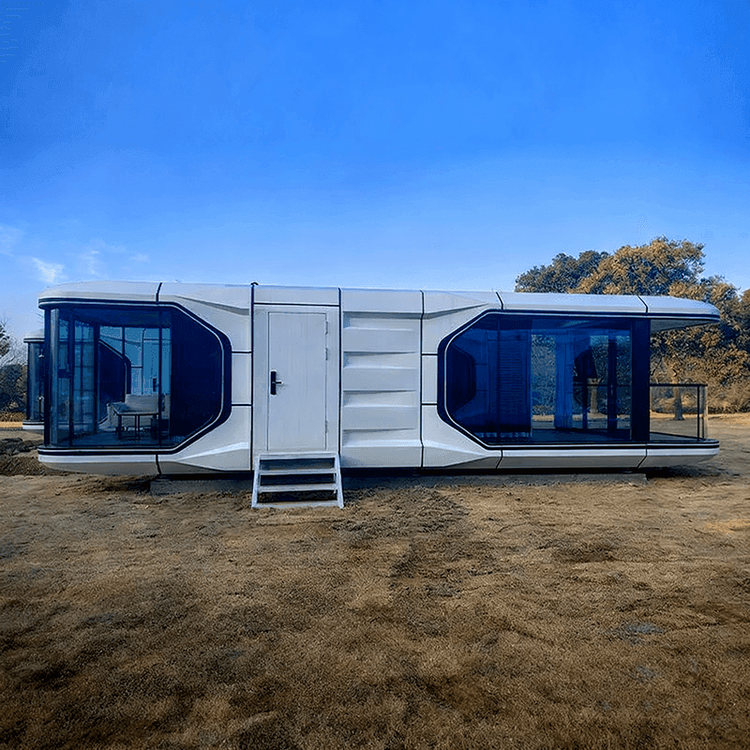
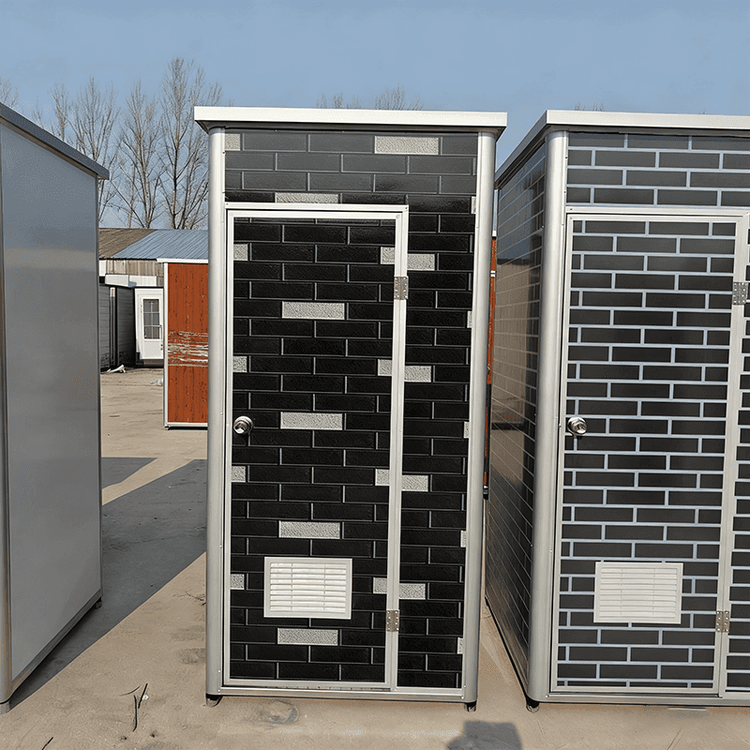
Huzhou High-End Mobile Toilet
The Huzhou high-end mobile toilet is a sanitation facility that integrates modular environmental solutions, enabling rapid deployment and self-sustenance through miniaturized and modular design, suitable for temporary scenarios.
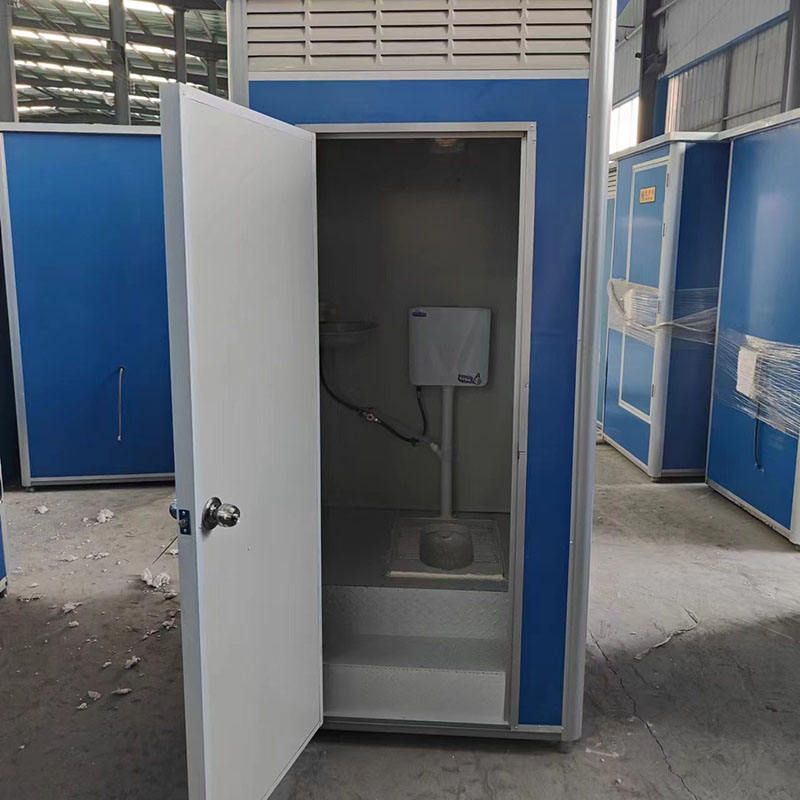
1. Waste Treatment Unit: Source Pollution Reduction and Odor Control
This unit employs biodegradation, chemical neutralization, or physical separation techniques, such as accelerating organic decomposition through enzymatic reactions or utilizing solid-liquid separation devices to reduce subsequent processing loads. Its core objective is to reduce pollution volume at the initial stage of waste generation and suppress odor generation. For example, biodegradation technology can convert feces and other organic matter into harmless substances, while chemical neutralization is used to treat acidic or alkaline components in urine, preventing equipment corrosion or environmental pollution. Physical separation separates solids from liquids through filtration or centrifugation, reducing subsequent processing difficulty.
2. Environmental Control Module: Independent Operation and Resource Recycling
This module operates independently of external municipal networks, integrating a recirculating water purification system, low-energy ventilation devices, and temperature regulation components. The water circulation system employs multi-stage filtration (such as sand filtration and activated carbon filtration) with the addition of trace disinfectants to ensure clean water can be reused for flushing or cleaning, reducing water consumption. Ventilation design maintains internal air quality through air negative pressure guidance and activated carbon adsorption, preventing odor overflow. Temperature regulation components automatically adjust the internal temperature based on ambient temperature, enhancing user comfort, especially ensuring normal equipment operation under extreme weather conditions.
3. User Experience Interface: Humanized Design and Hygiene Safety
This interface is optimized based on crowd flow models and behavioral habit data in temporary scenarios, including barrier-free access passages, ergonomic internal space layouts, low-intensity energy-saving lighting, and non-contact sensing elements (such as automatic flushing, faucets, and soap dispensers). Barrier-free design ensures safe use by disabled individuals or those with mobility impairments; ergonomic layouts reduce spatial confinement; non-contact sensing elements reduce cross-infection risks, raising hygiene safety standards; low-intensity lighting balances energy conservation with usage needs, avoiding strong light stimulation.
4. Energy and Material Management System: Autonomous Power Supply and Intelligent Monitoring
The system possesses energy autonomy, integrating solar panels to power lighting and ventilation or equipped with high-capacity battery packs as backup power sources. Internal intelligent monitoring sensors provide real-time feedback on water storage levels, waste capacity, battery levels, and system fault codes, supporting operational maintenance with data. For example, when waste capacity approaches a threshold, the system automatically alerts for cleanup; when battery levels are insufficient, it switches to backup power or prioritizes critical equipment operation to ensure continuous facility availability.