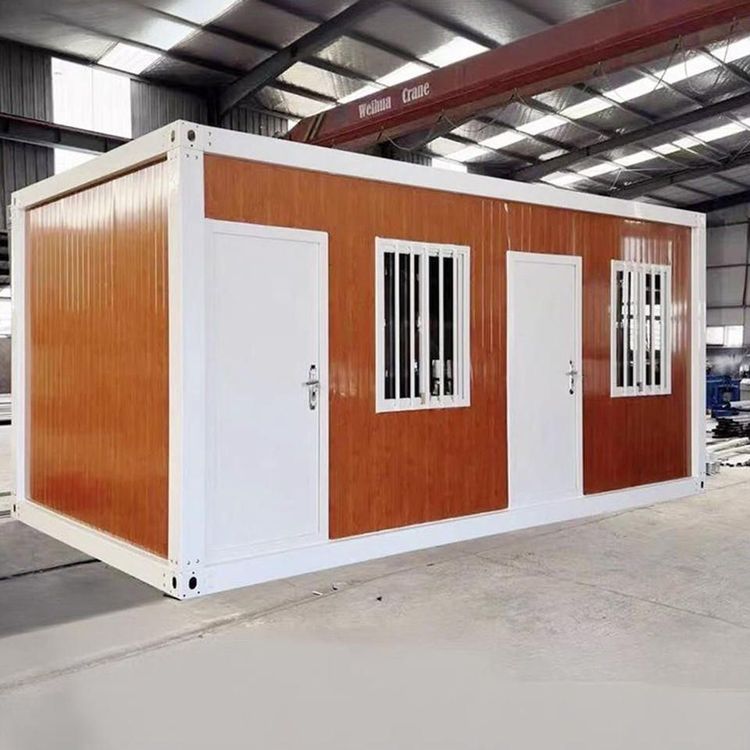
How About Mobile Toilets in Hunan
Mobile toilets in Hunan generally perform excellently, with highlights in terms of types, applications, designs, constructions, functions, materials, user experiences, environmental protection, and public service improvements, although there are issues such as varying experiences in old urban areas.

Diverse Types to Meet Various Needs
Mobile toilets in Hunan include simple and standard types. Simple types are suitable for temporary scenarios, while standard types are equipped with facilities such as sinks and toilet paper. Structurally, they are divided into single-unit, towable, modular, and eco-friendly types, adaptable to different scenarios such as scenic spots, event sites, and road construction. For example, eco-friendly types use biodegradation or small sewage treatment equipment to achieve resource recycling.Wide Applications Covering Key Areas
In popular scenic spots like Zhangjiajie and Fenghuang Ancient Town, mobile toilets alleviate toilet pressure for tourists during peak seasons. In public places such as Orange Isle and Yuelu Mountain in Changsha, as well as during large events like marathons and fireworks shows, their flexible deployment ensures event order. They are mainly distributed in high-traffic areas, scenic spots, and emergency locations, forming an efficient coverage network.Emphasis on Environmental Protection and User-Friendly Design
Most toilets use water-saving flushing systems to reduce water waste; mechanical ventilation systems prevent odor diffusion; barrier-free facilities, charging ports, and母婴室 (nursing rooms) enhance convenience for special groups. Eco-friendly types further achieve zero-pollution emissions through biodegradation technology.Flexible Construction and Function Configuration
Modular construction methods shorten deployment cycles, combining factory prefabrication with on-site assembly, suitable for urgent scenarios. Functional modules can be adjusted as needed, such as adding or removing independent toilets, management rooms, or tool storage spaces. Some locations are also equipped with child-specific facilities, demonstrating significant flexibility.Durable Materials and Efficient Maintenance
The main structure uses light steel, with exterior walls made of corrosion-resistant metal panels or synthetic materials, and standardized interior decorations for easy repair and replacement. Short maintenance cycles and low costs make them suitable for long-term use.Good User Experience and Centralized Cleaning
Despite compact spaces, reasonable designs meet basic needs; mechanical ventilation and LED energy-saving lighting enhance comfort; smaller sizes make cleaning and maintenance more centralized and efficient, ensuring hygiene.Outstanding Environmental Performance
Sewage treatment methods are diverse, including connection to municipal sewage networks, septic tanks, or biological treatment technologies; power supply combines municipal power with solar energy, and lighting generally uses energy-saving lamps to reduce energy consumption.Improving Public Service Levels
The promotion of mobile toilets has significantly improved environmental hygiene in cities and scenic spots, increasing tourist satisfaction in many places in Hunan by about 15%, becoming an important measure for upgrading public services.
Existing Issues: Due to aging pipelines in old urban areas, the user experience of some mobile toilets is inferior to that in newly built locations, requiring targeted optimization.