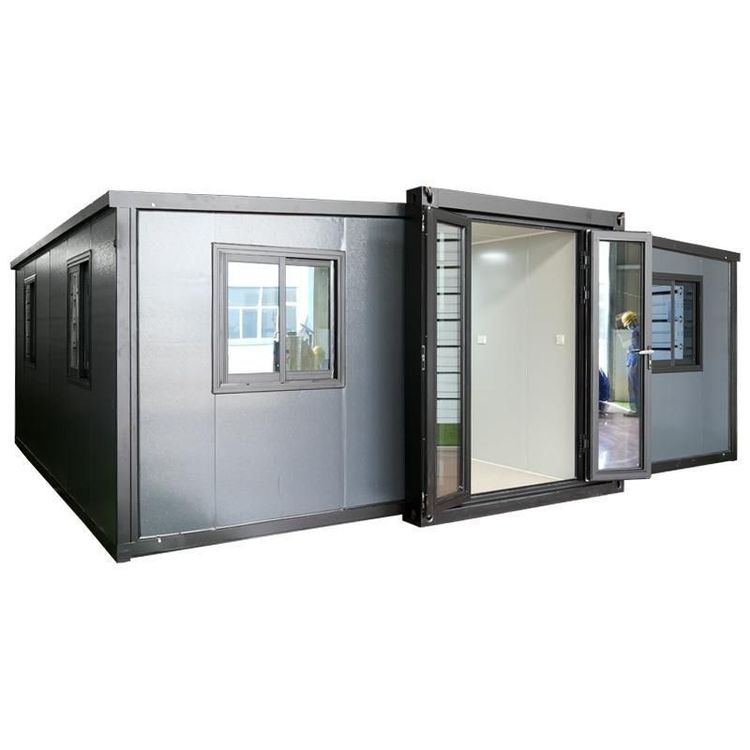
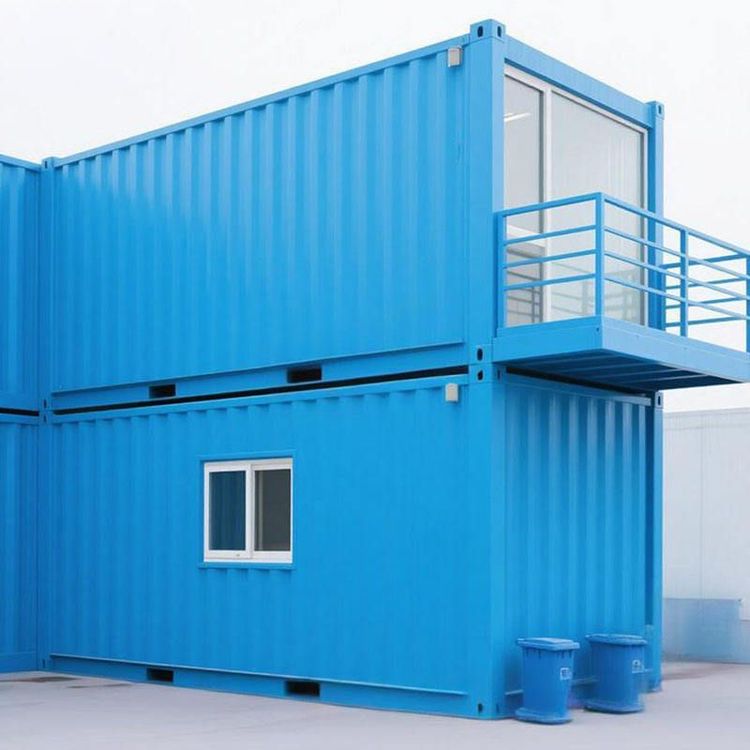
Hunan Mobile Toilet Construction
The application of mobile toilet construction in Hunan covers aspects such as flexible design, environmental adaptation, service management, cost optimization, and standardized operations, as detailed below:

I. Flexible Layout and Practical Design
Mobile toilets meet the dynamic needs of construction sites through modular design. For example, a site on Line 5 of Changsha Metro, constrained by limited space and high foot traffic, adopted a 3+1 towed mobile toilet (3 squatting positions + 1 barrier-free facility), which can be repositioned according to construction progress to avoid disrupting the main project. Its lightweight structure (e.g., steel frame + eco-friendly panels) and rapid assembly/disassembly features make it ideal for confined spaces or temporary sites.
II. Meeting Diverse Construction Environment Needs
- Large-Scale Building Complexes: In projects like the Changsha Binjiang New City Commercial Complex, where over 300 workers operate during peak periods, customized modular mobile toilets integrate sinks, lighting, ventilation systems, and IoT monitoring, with a wind resistance rating of Level 7 to ensure stability in harsh weather.
- Mountainous Construction: The Yuelu Mountain Tourism Road Renovation Project selected off-road mobile toilets equipped with anti-slip bodies, solar power, sewage treatment units, and emergency rescue channels, adapting to the mobility demands of road construction for rapid deployment and dismantling.
III. Service Content and Selection Criteria
- Full-Cycle Services: These include leasing, installation, maintenance, and recycling. When selecting, evaluate the number of toilets (recommended: 1 per 50 people), material weather resistance (e.g., stainless steel or high-quality plastics), and service response speed.
- Demand Assessment: For example, in Hengyang municipal road construction, with 50-100 workers and a 3-6 month duration, 10-15 toilets are required, including standard models (with sinks and flushing systems), barrier-free models, and waterproof/sunproof variants.
IV. Management and Maintenance Standards
- Daily Operations: Assign dedicated personnel to check supplies, equipment leaks/blockages daily, enhance drainage during rainy seasons, and optimize ventilation in high temperatures.
- Layout Principles: Toilets should be positioned ≥5 meters from construction zones to avoid dust pollution, near exits for easy management, and equipped with reflective markers at night for safety.
V. Cost and Efficiency Advantages
In the Hengyang project, mobile toilets cost 1,500-2,000 yuan per unit monthly, with a total investment of 20,000-30,000 yuan, saving 30% compared to self-built fixed toilets (50,000-80,000 yuan) and reducing construction time by 40%. They offer high flexibility, eliminating the need for foundation work and utility modifications.
VI. Industry Standards and Precautions
Select enterprises holding the Urban Environmental Sanitation Service License and ensure equipment complies with Technical Requirements for Mobile Toilets (CJ/T 265-2019). Toilets should be surrounded by anti-slip tiles, waste sorting bins, and courtesy reminders to meet environmental and safety standards.